Traceability in Crypto: How Blockchain Tracks Transactions, Assets, and Fraud
Traceability, the ability to track the origin and movement of assets across a network. Also known as transaction provenance, it’s the reason you can trace stolen Bitcoin back to a hacker’s wallet — even if they try to hide it. Unlike bank transfers that vanish behind layers of intermediaries, every crypto transaction leaves a permanent, public record on the blockchain. This isn’t just tech jargon — it’s what makes crypto both powerful and dangerous.
Traceability powers AML crypto, anti-money laundering systems that flag suspicious flows. Exchanges like CoinDCX and WazirX in India use it to comply with FIU-IND rules, freezing accounts linked to known criminal wallets. It’s also how authorities tracked North Korea’s Lazarus Group after they stole over $3 billion in crypto — every swap, mixer, and bridge left a trail. Even when hackers use privacy tools, they often slip up: a single reused address, an uncleaned exchange deposit, or a failed cross-chain transfer exposes them.
Blockchain fraud detection, the process of identifying scams using on-chain data patterns relies on traceability too. When LifeTime (LFT) or BIZZCOIN (BIZZ) vanished, analysts didn’t just guess they were dead — they saw the liquidity drain, the wallet transfers to burner addresses, and the sudden drop in active holders. Same with fake airdrops like KCAKE: real ones leave on-chain proof; scams just ask for your private key. Even DeFi platforms like Arbidex and Libre Swap were exposed not by rumors, but by tracing who controlled the tokens and where the funds went.
Traceability isn’t just for cops and investigators. It’s your shield. When you check if a token is abandoned, you’re tracing its activity. When you avoid a bridge hack, you’re studying past attack patterns. When you verify an airdrop’s legitimacy, you’re looking at wallet history, not just a Twitter post. The same system that tracks stolen funds also lets you spot pump-and-dumps before they collapse.
And it’s evolving. New tools let you trace assets across chains — like THORChain’s native swaps — without wrapping tokens. Insurance companies use it to cut claims from weeks to minutes. Governments use it to enforce MiCA and UK crypto rules. Even governance tokens like AERO and MKR are traceable: you can see who voted, when, and how much they held. This isn’t about surveillance — it’s about accountability.
What you’ll find below are real cases where traceability made the difference: how Taraxa records supply chain deals, why cross-chain bridges get hacked, how UAE’s FATF removal boosted compliance, and why dead tokens like LFT and BOOF left digital fingerprints no one could erase. This is crypto’s hidden backbone — the reason some projects survive and others vanish overnight.
How Distributed Ledger Technology is Transforming Supply Chain Management
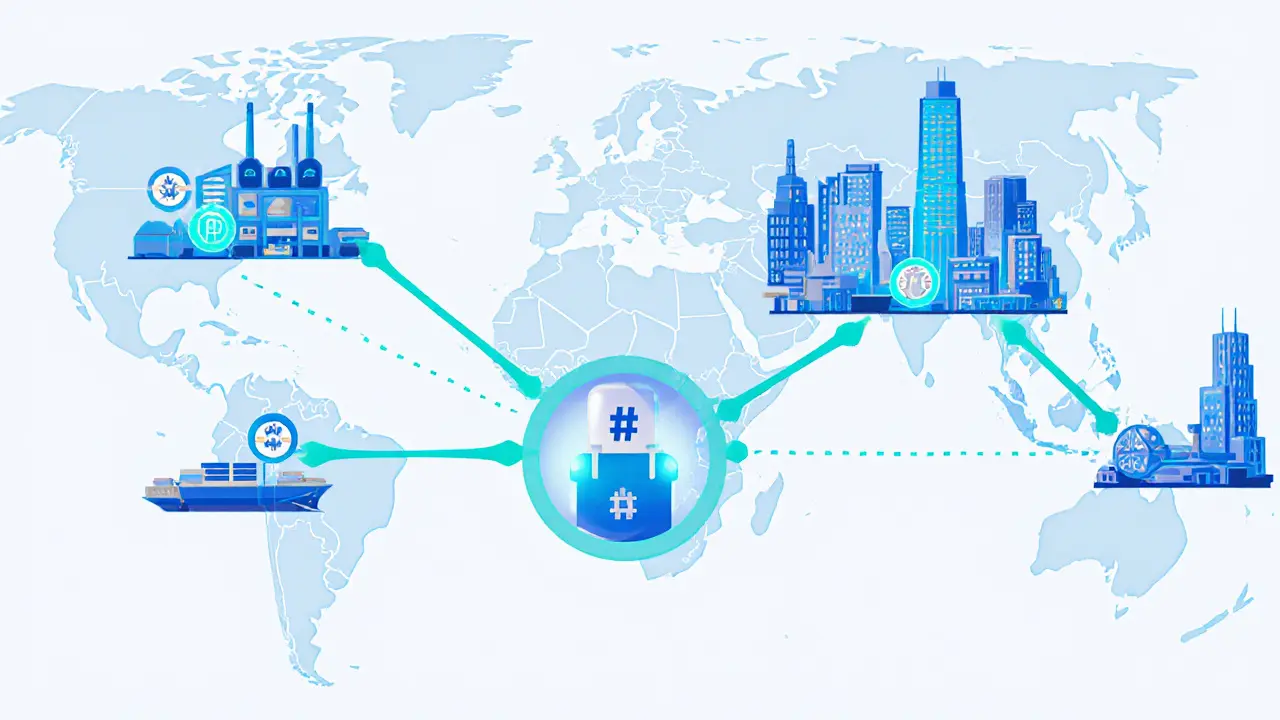

Distributed Ledger Technology is revolutionizing supply chains by enabling real-time traceability, reducing fraud, and cutting administrative costs. From pharmaceuticals to food, companies are using DLT to build transparent, secure, and efficient global networks.