Peer-to-Peer Blockchain: How Decentralized Networks Power Crypto Without Intermediaries
When you send crypto directly to someone without a bank or exchange stepping in, you’re using a peer-to-peer blockchain, a network where users validate and record transactions directly with each other, eliminating the need for central authorities. Also known as decentralized ledger technology, it’s the backbone of crypto that makes trust possible without middlemen. This isn’t just theory—it’s how people in countries with banking bans, like India or Turkey, still access crypto through P2P platforms. It’s how THORChain lets you swap BTC for ETH without wrapping it. And it’s why platforms like Arbidex and Libre Swap failed—they tried to add layers between users, breaking the core promise of peer-to-peer.
A decentralized network, a system where no single entity controls the rules or data. Also known as distributed ledger, it’s what keeps transactions secure even when some nodes go offline or act maliciously. This is different from traditional databases where one company holds all the power. In a peer-to-peer blockchain, every participant keeps a copy of the ledger. That’s why cross-chain bridges—like those used in Venus BNB or THORChain—can fail so badly: if they’re not truly peer-to-peer, they become single points of attack. North Korea’s Lazarus Group targets these weak links because they know centralized gateways are easier to hack than a network spread across thousands of devices.
Real-world uses go beyond trading. Distributed Ledger Technology is cutting insurance claim times from weeks to minutes. Supply chains for food and medicine now track goods end-to-end using peer-to-peer ledgers. Even governance tokens, like those in Aerodrome Finance, rely on peer-to-peer voting—no CEO decides your vote counts. But here’s the catch: not every platform calling itself "decentralized" actually is. MochiSwap and Libre Swap have no team, no audits, and no real community. That’s not peer-to-peer—it’s theater. True peer-to-peer blockchain means you hold your keys, verify your own transactions, and interact directly with others on the network.
What you’ll find below are real stories of how this works—both the wins and the crashes. From how citizens in banking-restricted countries use P2P crypto to survive inflation, to why Binance got blocked in India while CoinDCX stayed legal. You’ll see how Taraxa’s BlockDAG blockchain records supply chain deals in real time, and why KCAKE airdrops are always scams when they promise free tokens without a peer-to-peer foundation. These aren’t abstract ideas. They’re daily realities for millions who use crypto to bypass broken systems.
How Bitcoin's Peer-to-Peer Network Operates
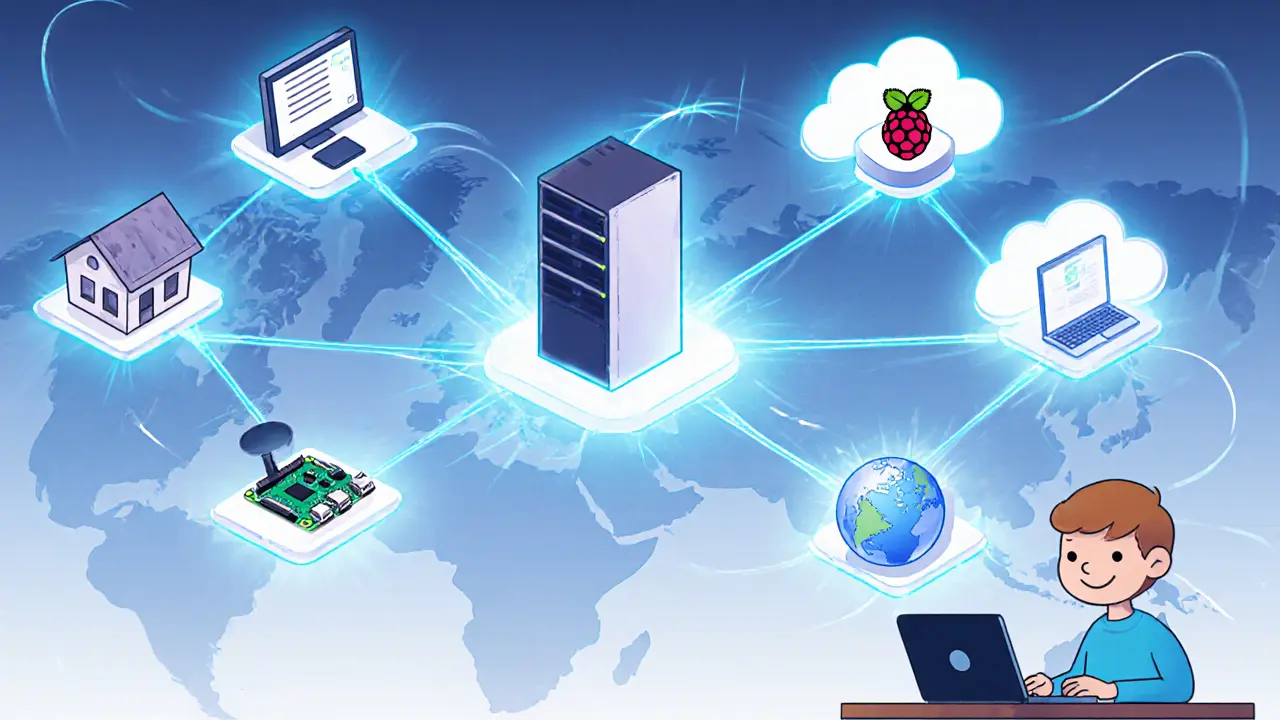

Bitcoin's peer-to-peer network operates without banks or central servers, using thousands of nodes worldwide to verify transactions and maintain the blockchain. This decentralized design ensures security, censorship resistance, and resilience against shutdowns.