Operating Leverage in Crypto: How Fixed Costs Shape Profit and Risk
When you hear operating leverage, the ratio between fixed costs and variable costs that determines how profit changes with sales volume, it might sound like a finance textbook term. But in crypto, it’s the difference between a business that survives a market crash and one that vanishes overnight. Think of crypto exchanges, mining farms, or DeFi protocol operators—they all have high upfront costs: servers, security audits, compliance teams, and 24/7 infrastructure. Once those are paid, each extra trade or user adds almost nothing to the cost. That’s operating leverage in action. But here’s the catch: when traffic drops, those same fixed costs don’t disappear. They crush margins.
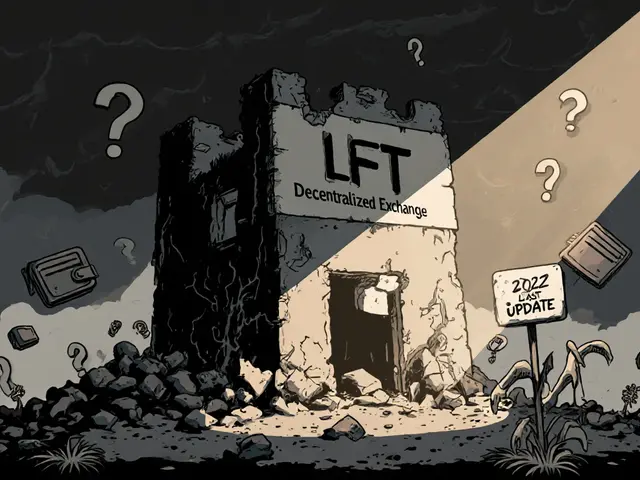
That’s why fixed costs, expenses that stay constant regardless of business activity, like rent, salaries, or server leases are so dangerous in crypto. Take Arbidex or Libre Swap—they promised automated trading but needed expensive tech to run. When users left, those costs stayed. Meanwhile, variable costs, expenses that rise and fall with usage, like transaction fees or marketing spend per user stayed low. The result? A business that looked profitable during hype, but collapsed when demand faded. This isn’t theory. It’s why FTX Turkey failed, why MochiSwap has no future, and why even big players like Binance must constantly optimize their cost structure.
Operating leverage isn’t just about money—it’s about speed. If you’re running a crypto exchange and your fixed costs are high, you need volume to break even. That’s why exchanges like Aerodrome Finance on Base Chain focus on low fees and high liquidity: they’re trying to hit that sweet spot where each extra trade pulls more profit out of their fixed infrastructure. But if you’re a small player with no user base, high fixed costs are a death sentence. The same goes for token projects that spend millions on audits and marketing before launch. If the token doesn’t gain traction, those costs become sunk. There’s no refund.
And here’s what most people miss: operating leverage makes crypto businesses more volatile than traditional ones. A 10% drop in revenue can mean a 30% drop in profit when fixed costs are high. That’s why crypto companies with low operating leverage—like P2P platforms that rely on user-to-user transactions with almost no overhead—survive better during bear markets. They don’t need to move millions in volume to stay alive. They just need a few active users.
What you’ll find in the posts below are real examples of this dynamic in action. From crypto compliance costs that eat into profits, to DeFi platforms that collapsed because they couldn’t scale their revenue fast enough, to exchanges that survived by keeping fixed costs lean. You’ll see how North Korea’s hacking operations rely on low variable costs and high leverage, how UAE’s regulatory compliance became a fixed cost that unlocked global access, and why dead tokens like LifeTime and BIZZCOIN had no chance once their initial hype faded. This isn’t about finance jargon. It’s about survival. And if you’re building, investing, or even just holding crypto assets, you need to understand where the fixed costs are—and who’s paying for them.
Managing Leverage Effectively in Blockchain and Business
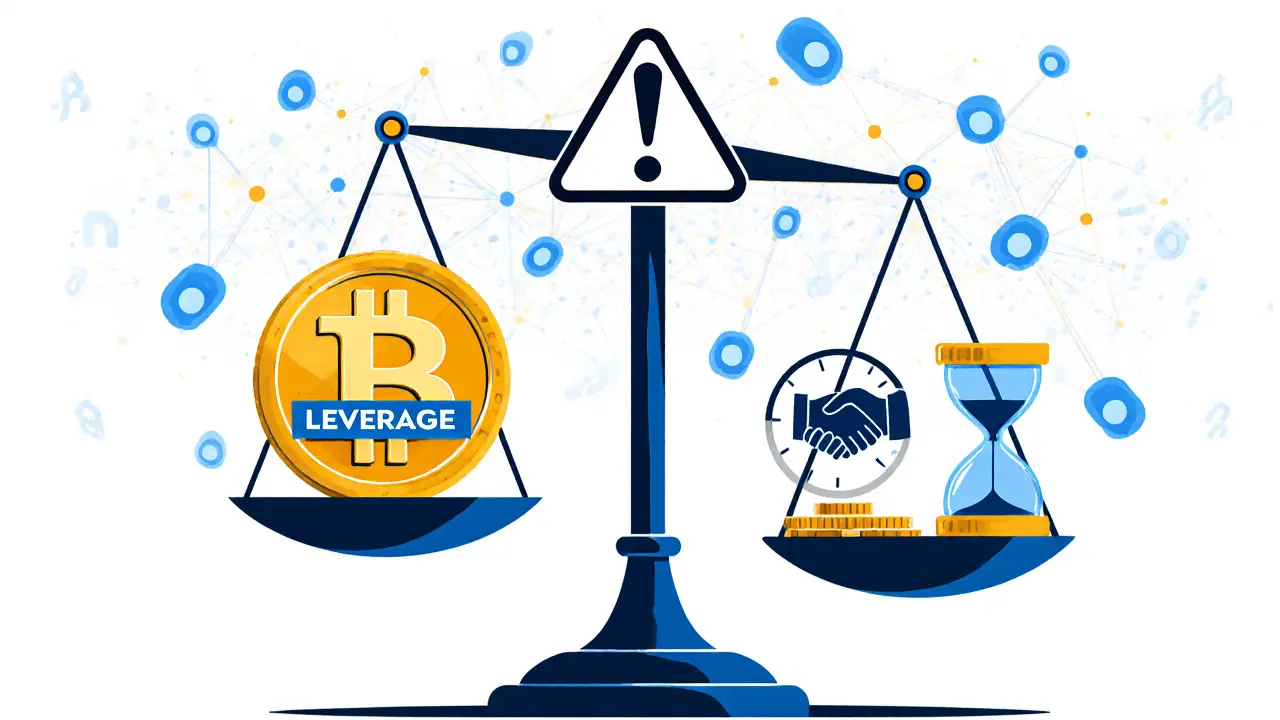

Managing leverage effectively means using borrowed capital, automation, and strategic strengths to amplify results-without risking everything. Learn how blockchain projects, traders, and founders can use leverage safely and sustainably.