KYC Crypto: What It Is, Why It Matters, and Where It’s Required
When you sign up for a crypto exchange like CoinDCX or WazirX, you’re often asked to submit your ID, selfie, or utility bill. That’s KYC crypto, a process where crypto platforms verify your identity to comply with anti-money laundering laws. Also known as Know Your Customer, it’s the gatekeeper between you and trading Bitcoin, swapping tokens, or claiming airdrops. It’s not optional on most platforms—skip it, and you can’t deposit, withdraw, or even trade.
KYC crypto isn’t just about paperwork. It’s tied to AML crypto, anti-money laundering rules that force exchanges to track where funds come from and who’s using them. Countries like India, the UK, and the UAE tightened these rules after high-profile hacks and sanctions evasion cases, like North Korea’s $3 billion in stolen crypto. If you’re using a no-KYC exchange, you’re either avoiding regulation—or risking your funds on platforms that could vanish overnight. And while some users hate KYC for privacy reasons, it’s the reason most big exchanges still exist today.
But KYC crypto doesn’t stop at exchanges. Some airdrops, like the Multigame $BUSD reward, require verified accounts to qualify. Even DeFi platforms are starting to ask for identity checks before you can access certain features. Meanwhile, platforms like FTX Turkey collapsed because they skipped KYC entirely, leaving users with nothing. So while crypto identity verification, the technical term for KYC feels like a hassle, it’s often the only thing standing between your wallet and a scam.
What you’ll find below are real examples of how KYC shapes your crypto experience—from banned exchanges in India to airdrops that demand proof of identity. Some posts show you how to legally bypass restrictions using P2P platforms. Others warn you about fake airdrops that trick you into handing over your private keys under the guise of ‘KYC verification.’ This isn’t theory. It’s what’s happening right now.
Crypto Business Compliance Checklist for 2025
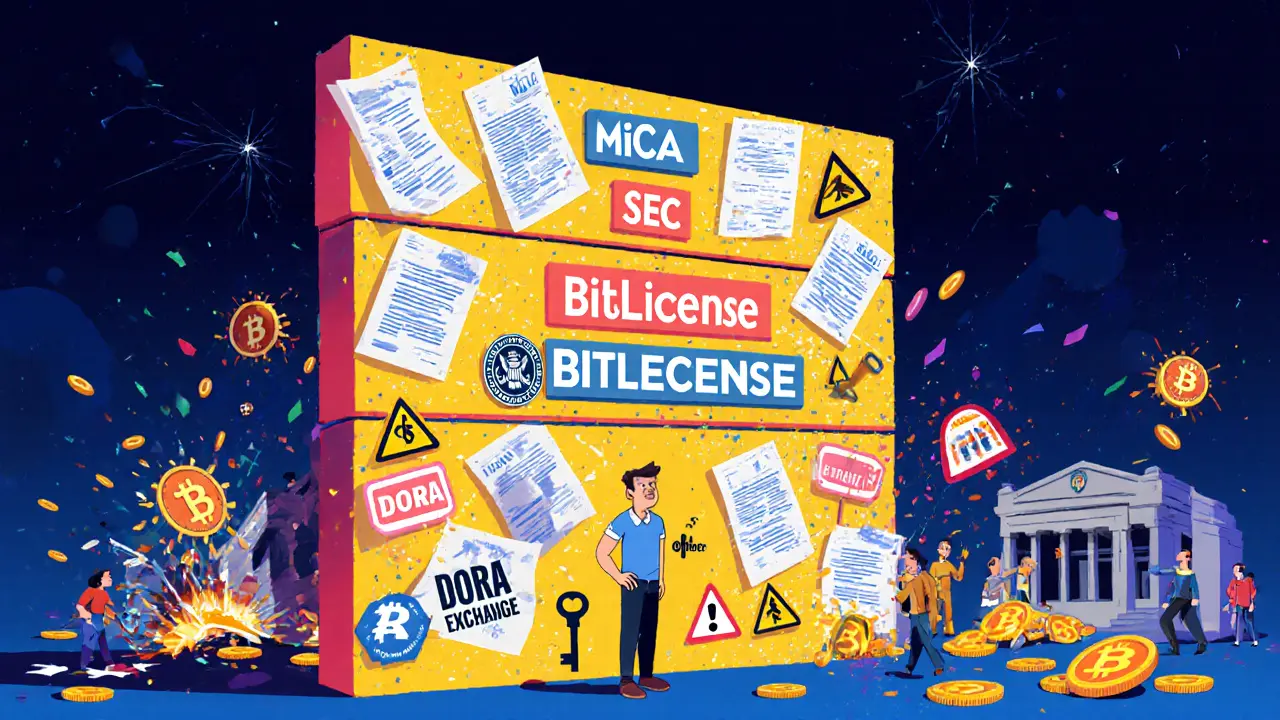

A practical 2025 crypto business compliance checklist covering licensing, AML/KYC, cybersecurity, MiCA, and regulatory costs. Essential for exchanges, wallets, and stablecoin issuers.