DAO Platform: How Decentralized Governance Works and What You Need to Know
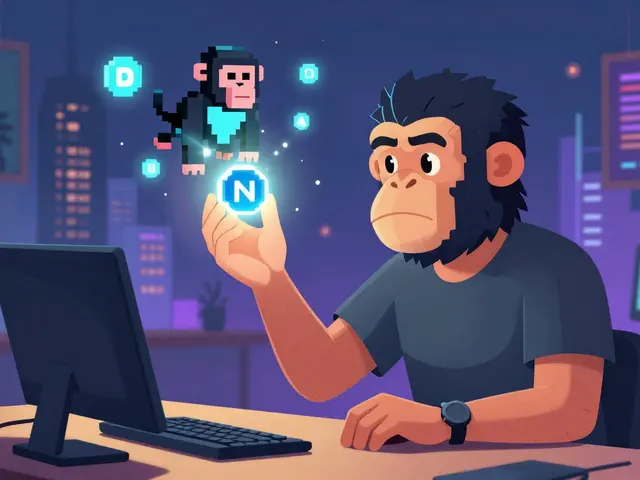
When you hear DAO platform, a digital system where groups make decisions using blockchain-based voting instead of traditional leadership. Also known as decentralized autonomous organization, it lets anyone with tokens vote on funding, upgrades, or rules—no CEO needed. This isn’t theory. Projects like MetaDAO used it to launch tokens fairly, burning millions to prove they weren’t hoarding power. But not all DAOs succeed. Juicebox tried to fund Web3 projects with community votes, only to collapse with 98% of its value gone and barely 300 people left holding its token.
A governance token, a digital asset that gives holders the right to vote on a blockchain’s future is the engine behind every DAO platform. Think of it like a shareholder vote, but on-chain. Holders of MetaDAO’s META token decided how new projects got funded. Those same tokens let people vote on whether to change rules, spend treasury funds, or even shut down the whole thing. But here’s the catch: if just a few wallets control most of the tokens, the DAO isn’t really decentralized—it’s just a fancy boardroom. That’s why some platforms, like those using fair-launch models, burn early tokens to prevent insider control.
Behind every DAO platform is a blockchain voting, the process of recording decisions on a public ledger so no one can cheat or erase votes. It’s not magic—it’s code. Smart contracts lock the rules in place: who can vote, how many tokens you need, when votes open and close. But even perfect code can’t fix bad ideas. The failures you see in posts about Juicebox or LifeTime aren’t because the tech broke. They broke because the community lost trust, the team vanished, or the token became worthless. That’s why checking who holds the votes matters more than the platform’s name.
You’ll find posts here that dig into real cases: how MetaDAO burned nearly a million tokens to prove its commitment, why Juicebox collapsed despite its big vision, and how governance tokens can be powerful tools—or empty promises. Some DAOs still work. Others are ghost towns. The difference? Transparency, active participation, and real incentives for people to show up and vote—not just hold a token for a quick flip. This collection doesn’t just explain DAOs. It shows you what to look for when one actually works.
What is DAOhaus (HAUS) crypto coin? A clear breakdown of the platform and token


DAOhaus (HAUS) is a no-code platform for creating decentralized organizations on Ethereum. The HAUS token enables governance, not speculation. Despite crashing 99.76% from its peak, it remains a practical tool for small, trusted teams.