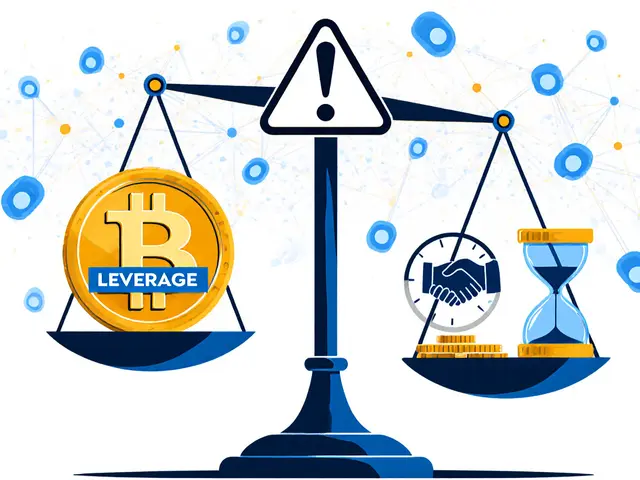
Cryptocurrency Halvings: What They Are, Why They Matter, and How They Shape Markets
When you hear cryptocurrency halvings, a scheduled event that cuts the reward for mining new blocks in half. It's a built-in feature designed to control supply, not just a technical detail. Bitcoin’s first halving in 2012 dropped the block reward from 50 to 25 BTC. The next one in 2016 cut it again to 12.5. Then 6.25. And in 2024, it fell to 3.125. This isn’t random—it’s code. Every 210,000 blocks, the system automatically reduces how much new crypto enters circulation. That’s the core of a halving.
Think of it like a faucet slowly turning off. More people want Bitcoin, but fewer new coins are being created. That scarcity isn’t theoretical—it’s programmed. And it’s not just Bitcoin. Other coins like Litecoin and Bitcoin Cash use the same model. Even newer projects copy it because it works. The block reward, the amount of crypto miners earn for validating transactions is what keeps the network running. When it drops, miners face higher costs and lower income. Some leave. Others adapt. That shift changes how secure the network feels—and sometimes, how much people are willing to pay for the coin.
It’s not magic, but it’s powerful. Halvings don’t guarantee price rises, but history shows a pattern. After each Bitcoin halving, the price eventually surged, often months later. Why? Because demand kept growing while supply tightened. It’s basic economics: less new supply + steady or rising demand = upward pressure. But don’t confuse cause and effect. Halvings aren’t the trigger—they’re the backdrop. Real price moves come from adoption, regulation, macro trends, and investor sentiment. Still, if you’re watching crypto, you need to know when the next halving is coming. It’s not just a calendar event. It’s a structural shift in the economy of the network.
What you’ll find below are real stories about what happens when halvings hit. Some posts dig into how mining profitability changes. Others show how traders react. A few warn about false hype. You’ll see how halvings connect to blockchain security, tokenomics, and even exchange activity. This isn’t theory. It’s what’s happened, what’s being tracked, and what you should watch for next.
Future Halvings and Long-Term Impact on Cryptocurrency Markets
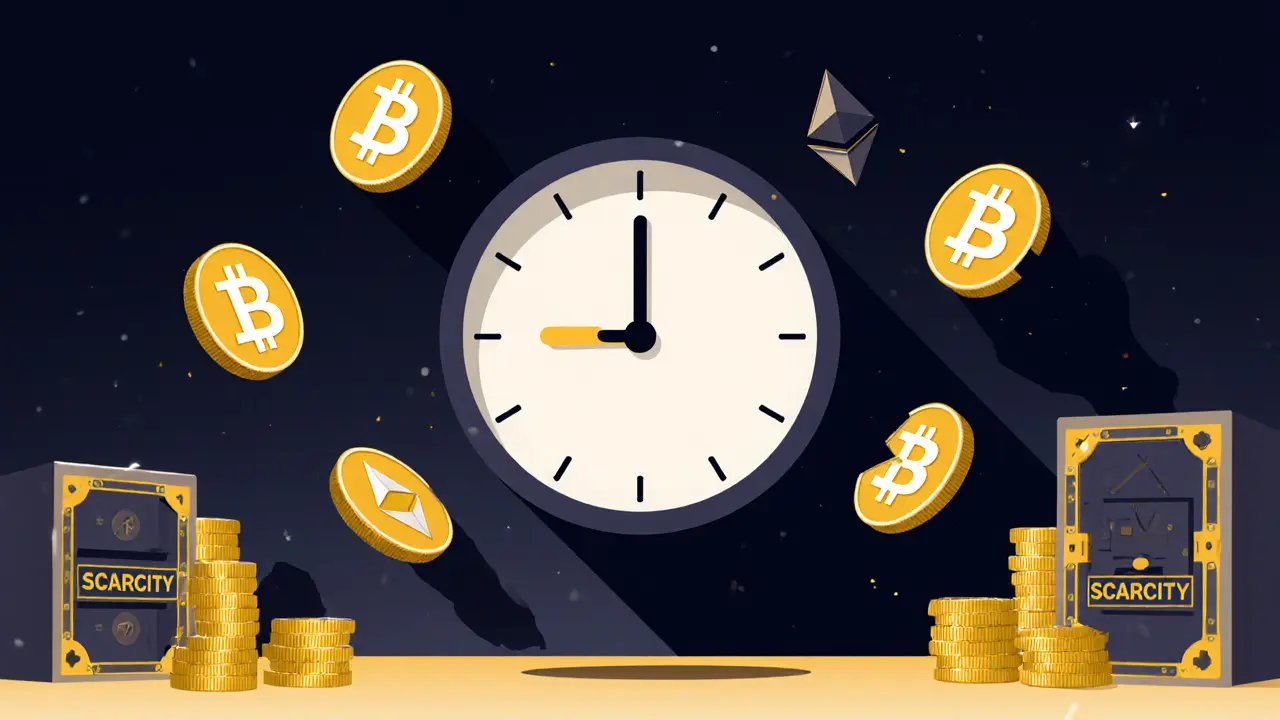

Future cryptocurrency halvings in 2025-2028 will reshape Bitcoin, TAO, and Ethereum Classic by reducing new supply. These events historically drive long-term price growth, but this cycle brings unprecedented complexity and synchronized supply shocks.
Categories
Popular Articles