Crypto Transfer Risks: How to Avoid Scams, Hacks, and Lost Funds
When you send crypto transfer, the movement of digital assets from one wallet to another, often across blockchain networks. Also known as cryptocurrency transaction, it’s supposed to be fast, cheap, and final—but it’s also one of the most dangerous actions you’ll ever take in crypto. Unlike bank wires, there’s no undo button. If you send Bitcoin to the wrong address, or fall for a fake support scam, your money is gone forever. No customer service, no chargeback, no mercy.
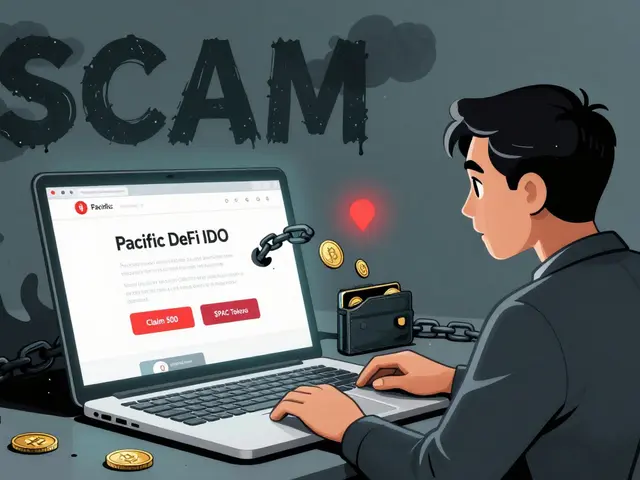
Most people think the risk is in the market—prices dropping, coins going to zero. But the real danger is right before you hit "Send." crypto scams, fraudulent schemes designed to trick users into sending funds to malicious wallets. Also known as phishing attacks, they come as fake airdrops, impersonated support teams, or fake exchange login pages. Look at posts like the KCAKE airdrop—there’s no such thing. Anyone asking you to send crypto to "claim" free tokens is stealing from you. Then there’s wallet security, how well you protect your private keys and recovery phrases from hackers and insiders. Also known as self-custody risk, it’s the difference between keeping your crypto safe and losing it to a compromised device or a careless click. North Korea’s Lazarus Group doesn’t break into exchanges—they trick users into signing malicious transactions. One wrong signature, and your entire balance vanishes.
Even if you’re not targeted by hackers, mistakes happen. Sending Ethereum to a Bitcoin address? Done. Sending to a contract address instead of a wallet? Gone. blockchain transfers, the process of moving assets on public ledgers like Ethereum or BNB Chain. Also known as on-chain transactions, they’re immutable by design—so accuracy isn’t optional, it’s survival. That’s why posts about MochiSwap, Arbidex, and Libre Swap warn you: if a platform asks you to approve unlimited token spending, or to connect your wallet to an unknown site, you’re already at risk. And when exchanges like FTX Turkey or Binance India get blocked, it’s not just about legality—it’s about whether your funds are locked in a system that can disappear overnight.
You don’t need to be a pro to stay safe. Just slow down. Double-check every address. Never share your seed phrase. Treat every "free crypto" offer like a trap. And if something feels off—because it probably is—walk away. The posts below show you exactly how these risks play out in real life: from dead tokens that vanish overnight, to airdrops that are just fronts for theft, to exchanges that vanish with your cash. You’ll see what went wrong for others—and how to make sure it doesn’t happen to you.
Security Risks in Cross-Chain Transfers: What You Need to Know Before Moving Crypto
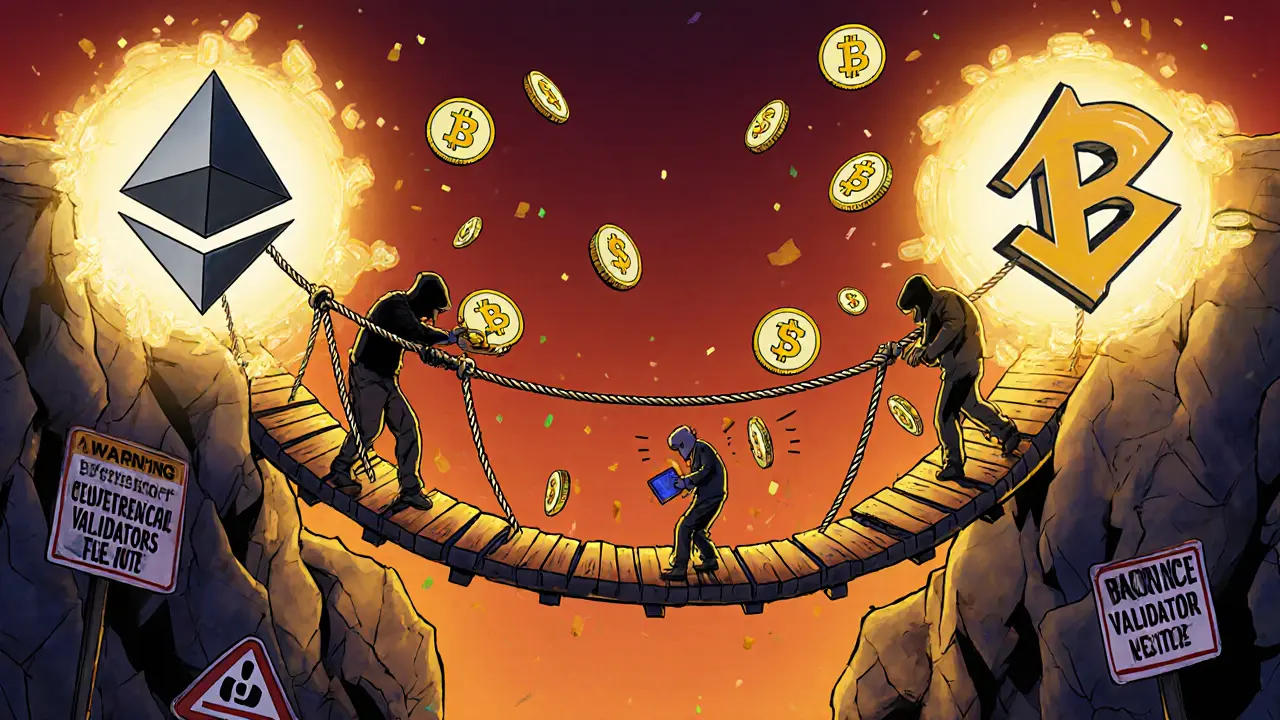

Cross-chain bridges enable crypto transfers between blockchains but are the most targeted attack vector in Web3. Learn the top 5 security flaws, real hack examples, and how to protect your funds.