Bitcoin P2P Network: How Decentralized Transactions Really Work
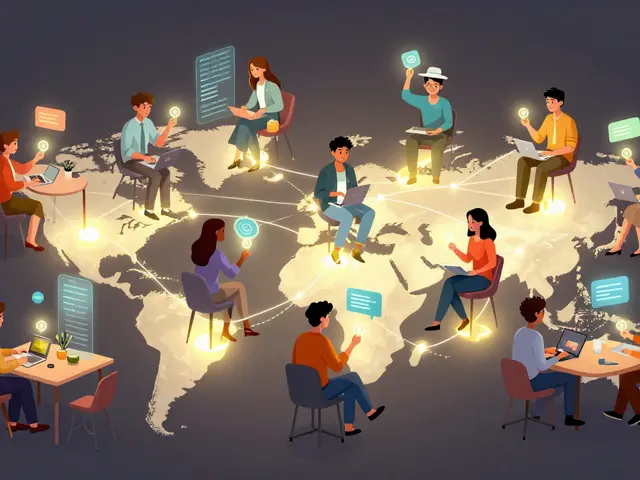
When you send Bitcoin, you’re not sending it to a bank or a company—you’re broadcasting it across a Bitcoin P2P network, a global, decentralized system of computers that verify and record transactions without a central authority. Also known as a peer-to-peer blockchain network, it’s what makes Bitcoin censorship-resistant and immune to single points of failure. Unlike PayPal or banks, there’s no server farm in Silicon Valley controlling your money. Every transaction flows directly from one user to another, validated by thousands of independent computers around the world.
This network runs on Bitcoin nodes, computers that store a full copy of the blockchain and help relay transactions to other nodes. These aren’t fancy servers—they can be a Raspberry Pi in someone’s garage or a dedicated rig in a data center. Each node listens for new transactions, checks them against the rules (like valid signatures and unspent outputs), and then passes them along. If a node tries to cheat—say, by accepting a double-spend—it gets ignored. The network doesn’t need to trust any single node; it just needs enough honest ones to outvote the bad ones. That’s the core idea behind Nakamoto consensus.
The Bitcoin mining, the process of adding new blocks to the blockchain by solving cryptographic puzzles is how new Bitcoin enters circulation and how the network stays secure. Miners compete to solve these puzzles, and the winner gets rewarded with Bitcoin and transaction fees. This isn’t just a way to mint coins—it’s an economic incentive that keeps the network running. Without miners, transactions wouldn’t be confirmed. Without nodes, there’d be no one to verify them. And without the P2P structure, Bitcoin would just be another digital ledger controlled by a corporation.
What makes this network so powerful isn’t the technology alone—it’s the design. It doesn’t rely on trust. It doesn’t need permission. You don’t need to sign up, get approved, or show ID. Anyone with an internet connection can join. That’s why it’s used in countries with banking restrictions, where people turn to Bitcoin to move money across borders or protect savings from inflation. It’s also why governments and banks struggle to control it. You can’t shut down a network that’s spread across 10,000+ active nodes in over 100 countries.
But it’s not perfect. The network can get slow during spikes in demand. Some nodes go offline. Transactions can get stuck if fees are too low. And while the system is secure, your own wallet isn’t—unless you know how to protect it. That’s why understanding how the P2P network works matters. It’s not just theory. It’s the foundation of every Bitcoin transaction you make.
Below, you’ll find real-world breakdowns of how this network behaves under pressure, how it connects to other blockchain systems, and what happens when things go wrong. From node behavior during network upgrades to how hacks exploit weak entry points, these posts show you exactly how the Bitcoin P2P network works—not as a buzzword, but as a living, breathing system.
How Bitcoin's Peer-to-Peer Network Operates
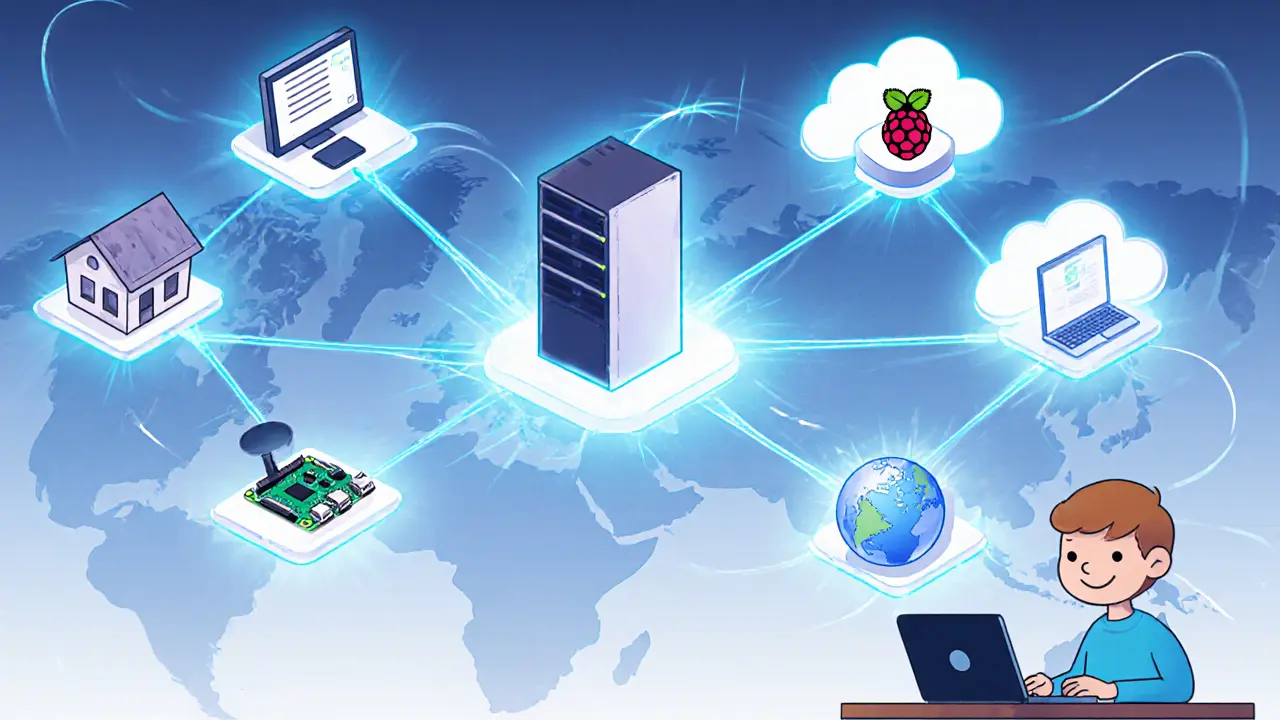

Bitcoin's peer-to-peer network operates without banks or central servers, using thousands of nodes worldwide to verify transactions and maintain the blockchain. This decentralized design ensures security, censorship resistance, and resilience against shutdowns.
Categories
Popular Articles