AML Crypto: What It Is and Why It Matters in Today's Crypto World
When we talk about AML crypto, anti-money laundering rules applied to cryptocurrency transactions to prevent illegal funding and fraud. Also known as crypto compliance, it's the reason some exchanges shut down in India, others get approved in the UAE, and why you can't just send $100,000 in Bitcoin without being asked for ID. This isn't about government overreach—it's about keeping your money safe from thieves, scammers, and state-sponsored hackers like the Lazarus Group, who’ve stolen over $3 billion in crypto to fund weapons programs.
AML crypto requires exchanges to verify users, track transaction flows, and report suspicious activity. That’s why Binance got blocked in India but CoinDCX stayed open—they passed the FIU-IND checks. It’s also why the UAE’s removal from the FATF grey list in 2024 turned it into a global crypto hub overnight. When a country meets AML standards, banks start working with them. Investors trust them. Trading volumes rise. Without AML, crypto stays in the shadows.
But AML crypto isn’t just about exchanges. It shapes everything from airdrops to cross-chain bridges. Fake airdrops like KCAKE? They thrive in unregulated spaces where no one checks identities. Bridge hacks? Often funded by laundered crypto. Even governance tokens and DeFi platforms need AML checks—if they want to survive long-term. The same rules that stop drug cartels from using Bitcoin also stop you from accidentally funding a scam. You don’t have to love the paperwork, but you need to understand it. The posts below show you exactly how AML crypto plays out in real cases: banned exchanges, sanctioned countries, hacked bridges, and the legal line between tax avoidance and evasion. You’ll see why some tokens died because no one could verify their users, and why others grew because they followed the rules. This isn’t theory. It’s survival.
Crypto Business Compliance Checklist for 2025
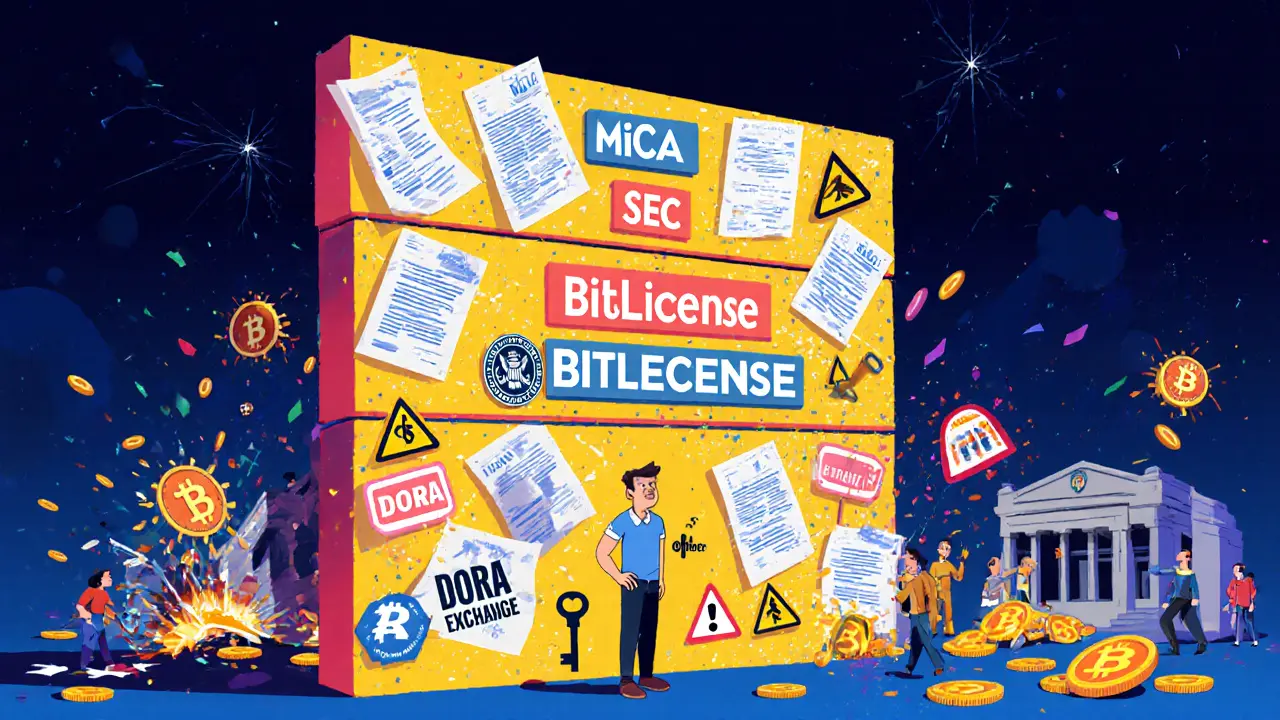

A practical 2025 crypto business compliance checklist covering licensing, AML/KYC, cybersecurity, MiCA, and regulatory costs. Essential for exchanges, wallets, and stablecoin issuers.