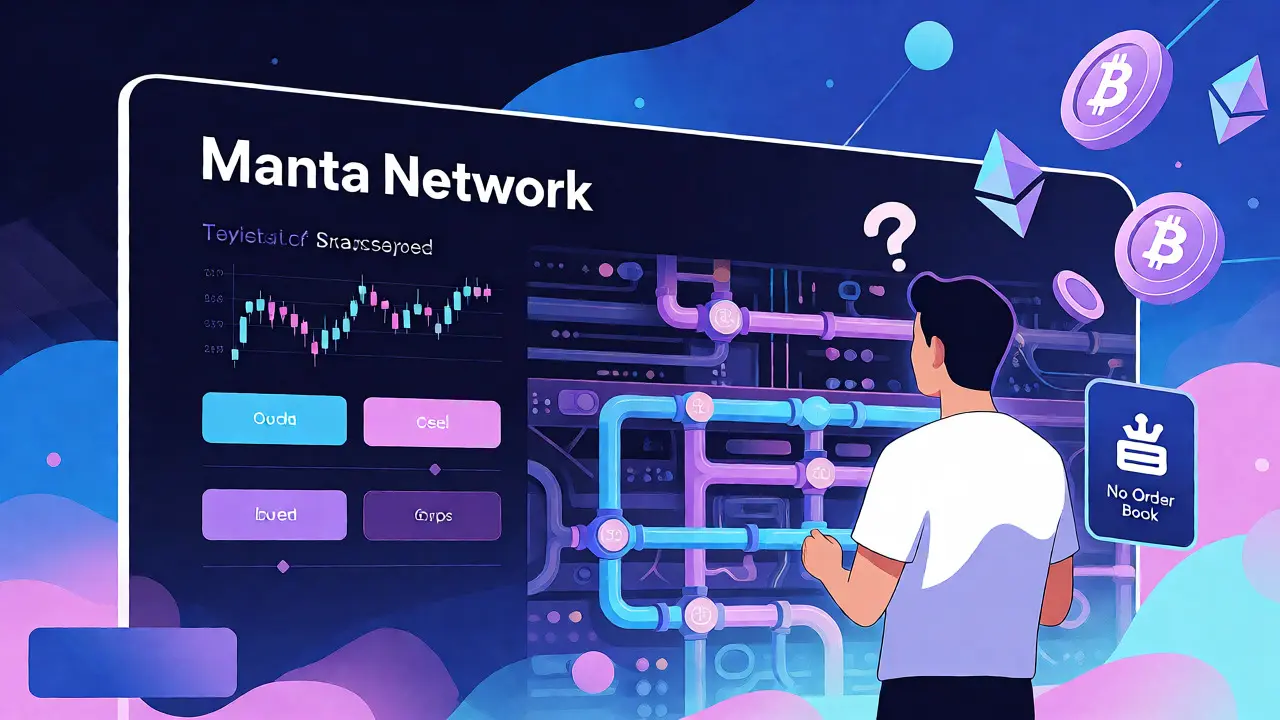

You probably clicked on this title because you saw "Manta" listed somewhere and assumed it was another trading platform. Maybe you were looking for a new place to buy Bitcoin, or you heard rumors about high yields and wanted to check the fees. Here is the twist that saves you from a confusing sign-up process: Manta Network is not a cryptocurrency exchange at all. It is a privacy-focused blockchain infrastructure project. There is no order book here, no spot trading interface where you swap ETH for USDT, and no customer support chat waiting to help you with a withdrawal glitch. Instead, Manta is the underlying tech layer that powers specific types of decentralized applications.
If you are trying to trade tokens, you need to look elsewhere. But if you are curious about why people are talking about Manta, or if you want to know where to actually buy the MANTA native utility token, this guide breaks down exactly what the project does, how its staking works, and which exchanges actually list it. We will cut through the noise and explain the difference between the network and the asset, so you don't end up downloading an app that doesn't do what you expect.
The Big Misconception: Infrastructure vs. Exchange
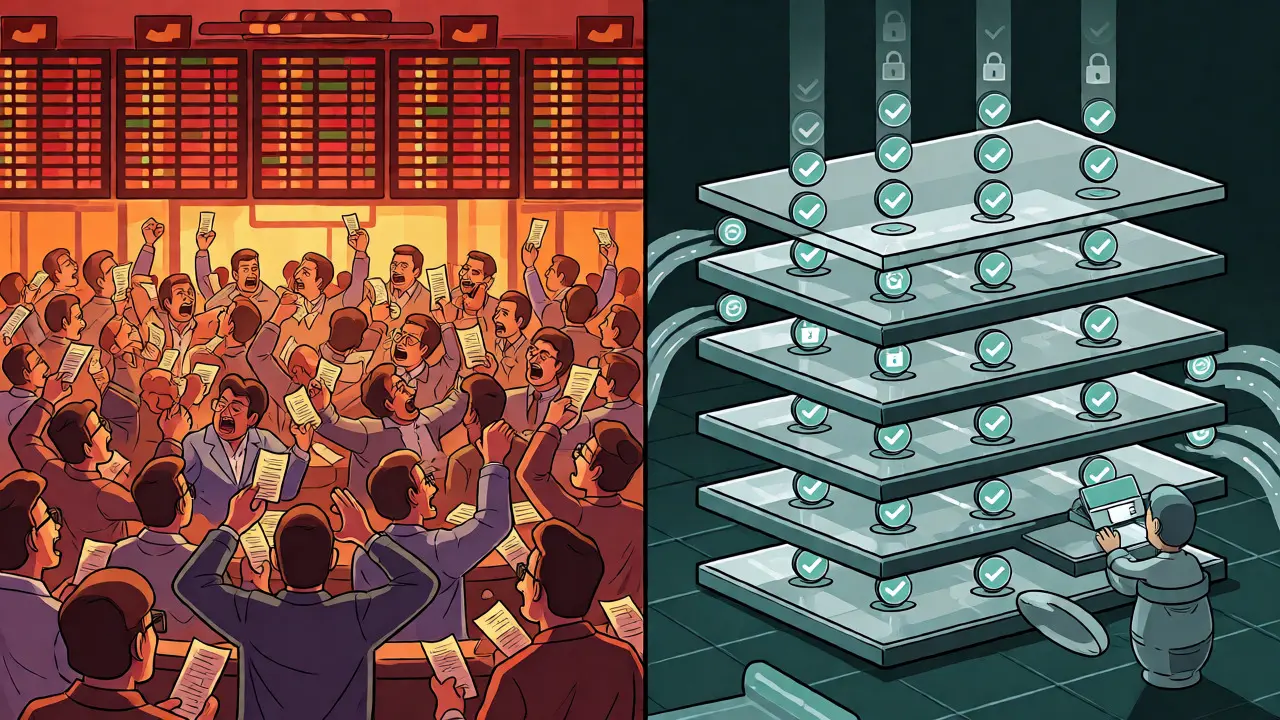
Let's clear up the confusion immediately. In the crypto world, names can be misleading. You might think of "Coinbase" as a coin base, but it's an exchange. Similarly, "Manta Network" sounds like it could be a trading hub, but it operates in a completely different category. Think of it this way: Coinbase is like a stock brokerage firm. Manta Network is more like the Nasdaq technology stack itself-the plumbing that allows certain financial instruments to function securely and privately.
Manta Network was founded in 2020 by Shumo Chu (CEO), William Xia (CTO), and Sue Zhang (COO). Its mainnet launched in May 2022. The core mission isn't to facilitate trades for retail users; it is to provide modular zero-knowledge (ZK) technology that helps blockchains scale while keeping transactions private. This distinction matters because your user experience is totally different. On an exchange, you log in, verify your ID, and click "Buy." On Manta, you interact with a blockchain using a wallet like MetaMask, connecting directly to the protocol to stake tokens or use decentralized apps (dApps).
Why does this matter for you? If you tried to find a "deposit address" on Manta Network expecting to hold your coins there like a bank vault, you would be disappointed. You hold your MANTA tokens in your own non-custodial wallet. The network processes them, but it doesn't store them for you. This self-custody model is a feature for privacy enthusiasts but a hurdle for beginners who prefer the safety net of a centralized exchange.
How Manta Network Actually Works
To understand the value proposition, you have to look under the hood. Manta Network isn't just one thing; it consists of two primary components that work together to solve scalability and privacy issues in blockchain technology.
- Manta Pacific: This is an Ethereum Layer 2 network. It uses EVM-native ZK applications, meaning it is compatible with most tools developers already use for Ethereum. It focuses on bringing zero-knowledge proofs to the mainstream Ethereum ecosystem without forcing developers to learn complex new languages.
- Manta Atlantic: This is a ZK Layer 1 blockchain built on Polkadot. It is designed specifically for identity and privacy compliance. Unlike some privacy coins that hide everything, Manta Atlantic includes a decentralized identity layer. This allows users to prove they are legitimate (KYC compliant) without revealing their entire personal history to the public.
The magic ingredient here is Zero-Knowledge (ZK) Technology. In simple terms, ZK proofs allow one party to prove to another that a statement is true without revealing any information beyond the validity of the statement itself. For example, you can prove you have enough money to make a transaction without showing everyone your total balance. This reduces congestion on the main chain and enhances user privacy.
For the average user, this translates to faster transactions and lower gas fees compared to doing everything directly on Ethereum. However, you won't see these benefits unless you are actively using dApps built on Manta. As of late 2024, the ecosystem hosted around 47 active dApps, with daily active users ranging between 8,200 and 12,500. That's a niche community, not a mass-market trading crowd.
Staking: Where the Real Utility Lies
Since you can't trade on Manta, what do you actually do with your tokens? The answer is staking. Staking is essentially locking up your MANTA tokens to help secure the network. In return, you earn rewards. This is the closest thing Manta has to a "yield" product, but it requires more technical know-how than clicking a button on Binance.
There are two ways to stake, depending on which part of the network you are interacting with:
- Native Staking on Manta Pacific: You delegate your tokens to validators. The minimum delegation requirement is 500 MANTA tokens. Rewards are distributed every six hours. A critical detail here is that you need to stay in the top 100 delegators to remain eligible for full rewards. Also, ensure your chosen validator stays within the top 70, or your rewards might get suspended.
- Liquid Staking on Manta Atlantic: This offers more flexibility. You can stake without locking your assets indefinitely, allowing you to use the receipt tokens in other DeFi protocols. One user on Bitcointalk noted earning 4.2% APY without worrying about slashing penalties, which is a significant advantage over networks like Cosmos or Polkadot where downtime can cost you money.
The initial token supply allocated 2% to stakers during the first year. With approximately 7.6 MANTA tokens created per produced block, the inflation rate is managed to keep incentives aligned. But remember, staking is not risk-free. While Manta has a non-slashing mechanism for many actions, smart contract risks always exist.
Where to Buy MANTA Tokens
Okay, so Manta isn't an exchange. So where do you go to buy the token? You need a centralized exchange (CEX) that lists MANTA. Based on recent data, here are the most reliable options for purchasing MANTA in 2026:
| Exchange | User Rating | Key Features | Best For |
|---|---|---|---|
| Binance | 4.2/5 | Highest liquidity, low fees, wide range of pairs | Active traders and large volume buyers |
| BitMart | 3.8/5 | Supports newer altcoins, decent UI | Users looking for alternatives to major CEXs |
| BakerySwap | N/A | Decentralized exchange (DEX) on BNB Chain | Users preferring non-custodial swaps |
Binance remains the dominant choice due to its massive liquidity. Trustpilot reviews indicate a 4.2/5 star rating from over 12,000 users, largely driven by its reliability during market volatility. BitMart is a solid second choice, scoring 3.8/5 from over 2,000 reviews specifically mentioning MANTA pairs. If you prefer decentralization, BakerySwap allows you to swap directly from your wallet, though you'll face higher slippage and gas fees compared to CEXs.
When buying, keep an eye on the price. MANTA has seen significant volatility. It hit an all-time high of $4.08, but prices have fluctuated wildly, dropping to lows near $0.11 in late 2024. Technical analysis often shows resistance levels around $0.28 and support near $0.21, though these numbers shift constantly. Always check the live chart before executing a trade.
Pros and Cons: Is Manta Worth Your Time?
Should you care about Manta Network? It depends on your goals. If you are a casual trader looking for quick profits on meme coins, Manta might feel too slow and technical. But if you believe in the future of privacy-preserving finance, it offers something unique.
Pros:
- Privacy with Compliance: Unlike Monero or Zcash, Manta integrates a decentralized identity layer. This makes it friendlier to regulators, potentially avoiding the delisting risks faced by pure privacy coins under laws like the EU's MiCA regulations.
- Non-Slashing Staking: The staking mechanism is forgiving. You don't lose your principal if a node goes offline briefly, which lowers the barrier to entry for non-technical users.
- Ethereum Compatibility: Manta Pacific is EVM-compatible, meaning you can use familiar tools like MetaMask and Uniswap interfaces without learning a new ecosystem from scratch.
Cons:
- Not an Exchange: The biggest headache for newcomers is the naming confusion. You cannot deposit fiat currency directly into Manta Network.
- Complex Staking Rules: Maintaining eligibility for rewards requires monitoring validator rankings and delegation positions. It's not "set and forget" for everyone.
- Market Volatility: The token has experienced sharp declines, such as a 38.5% drop in a single month in late 2024. Community sentiment on Reddit has been mixed, with some users frustrated by delayed mainnet promises.
Future Outlook and Roadmap
What's next for Manta? The roadmap through 2025 includes the implementation of cross-chain privacy pools in Q3 and the launch of the Manta Atlantic mainnet enhancements in Q4. These updates aim to expand interoperability, allowing assets to move seamlessly between Polkadot and Ethereum ecosystems while maintaining privacy.
Price predictions vary wildly. Conservative analysts from Changelly projected a modest range of $0.20 to $0.23 for 2025. On the other hand, optimistic forecasts from Crypto.ro suggested potential spikes to $8.45 or even $14.82 if broader market conditions improve. Bearish models from SwapSpace warned of drops to $0.04. The truth likely lies in the middle, heavily dependent on Bitcoin's performance and the successful execution of Manta's technical milestones.
Adoption metrics show limited enterprise interest so far, with only three major institutional partnerships announced in 2024, including collaborations with Chainlink and Acala Network. For Manta to become a household name, it needs more dApps that attract everyday users, not just speculators.
Frequently Asked Questions
Is Manta Network a crypto exchange?
No, Manta Network is not a crypto exchange. It is a blockchain infrastructure project focused on zero-knowledge technology and privacy. You cannot trade tokens directly on the Manta Network interface; instead, you use external wallets and buy the MANTA token on exchanges like Binance or BitMart.
Can I deposit fiat currency into Manta Network?
You cannot deposit fiat currency (like USD or EUR) directly into Manta Network. Since it is a blockchain protocol, you must first buy MANTA tokens or other cryptocurrencies on a centralized exchange, then withdraw them to your personal wallet connected to the Manta network.
What is the minimum amount required to stake MANTA?
For native staking on Manta Pacific, the minimum delegation requirement is 500 MANTA tokens. For liquid staking on Manta Atlantic, requirements may vary depending on the specific protocol used, but generally, there is no strict minimum other than covering gas fees.
Which exchanges list the MANTA token?
The most popular exchanges listing MANTA include Binance, BitMart, and BakerySwap. Binance offers the highest liquidity and trading volume, making it the preferred choice for most traders. Always verify the current listing status on CoinMarketCap or CoinGecko before trading, as listings can change.
Is Manta Network safe for holding funds?
Manta Network uses zero-knowledge proofs and decentralized architecture, which provides strong security features. However, since it is a relatively new blockchain, smart contract risks exist. Users hold their own keys in non-custodial wallets, so security also depends on your personal wallet management practices.


Comments (7)

- Gary Voudrie
- November 12, 2026 AT 12:53 PM
theyre hiding the truth about the zkp tech its not just for privacy its a surveillance tool disguised as freedom and im telling you right now that the validators are probably in cahoots with the SEC lol

- Peter Wilson
- November 14, 2026 AT 04:38 AM
interesting perspective on the infrastructure vs exchange distinction... it really makes you wonder if we are conflating utility with speculation too much these days
the philosophical implication of holding your own keys is profound though because it shifts the burden of trust entirely onto the individual which is both liberating and terrifying at the same time i think people underestimate how heavy that psychological weight can be when the market dumps 38% in a month like mentioned here

- Jimmy Chicaiza
- November 14, 2026 AT 22:47 PM
Dude this is such a great breakdown! I was totally confused thinking Manta was an app I could just download and start trading meme coins on. The staking part sounds super rewarding but also kinda complicated with all the validator rankings. Keep up the awesome work explaining this stuff clearly!

- Rosemary Foster
- November 15, 2026 AT 16:17 PM
I find the assertion that non-custodial wallets provide 'security' to be fundamentally flawed logic. If one loses their seed phrase, there is no recourse, no support chat, and no safety net. Therefore, the so-called benefit of self-custody is merely a romanticized notion of sovereignty that ignores the practical reality of human error and cognitive bias.

- Alex DeVito
- November 17, 2026 AT 10:02 AM
reading through this made me reflect on how we define value in digital assets because ultimately manta isn't selling you a service like a bank does it's selling you access to a protocol and that shift from customer to participant changes everything about how we interact with money
i mean think about it when you use binance you're a user of a product but when you stake on manta pacific you're actually contributing to the network's security model which creates a symbiotic relationship that doesn't exist in traditional finance where you're just a number in a database waiting to get harvested by fees
it's kind of beautiful in a messy technical way even if the daily active users count is small compared to eth mainnet it shows that people are genuinely interested in the tech rather than just the hype cycle which is rare in this space honestly

- Kat Rivers
- November 18, 2026 AT 04:07 AM
You are absolutely right to highlight the learning curve here and I want to encourage anyone feeling intimidated by the 500 token minimum or the validator checks to remember that every expert was once a beginner who felt exactly the same way.
The beauty of liquid staking on Atlantic specifically offers a gentle on-ramp where you can experiment without locking up capital indefinitely which is perfect for those of us who want to dip our toes in before diving into the deep end of native delegation.
Keep exploring the ecosystem and don't let the complexity discourage you because understanding ZK proofs eventually clicks and it opens up a whole new world of financial privacy that feels empowering rather than restrictive once you get the hang of it.

- Vian Leony
- November 20, 2026 AT 00:56 AM
The obsession with 'privacy' is a distraction from the centralization vectors inherent in L2 sequencers which nobody talks about because it ruins the narrative of decentralization they desperately need to sell to retail investors who don't understand consensus mechanisms.
Post-Comment
Categories
Popular Articles