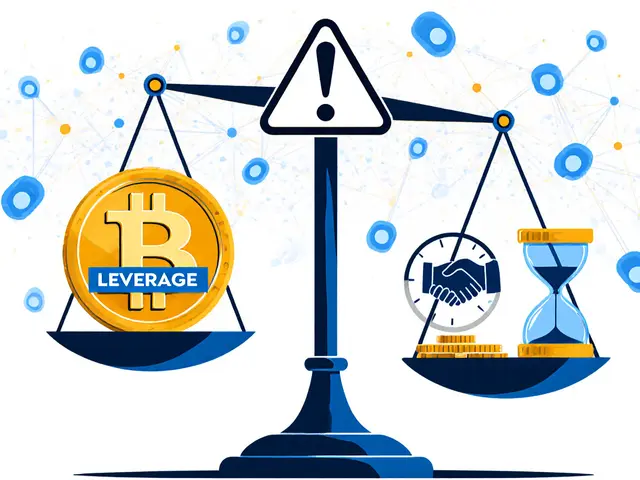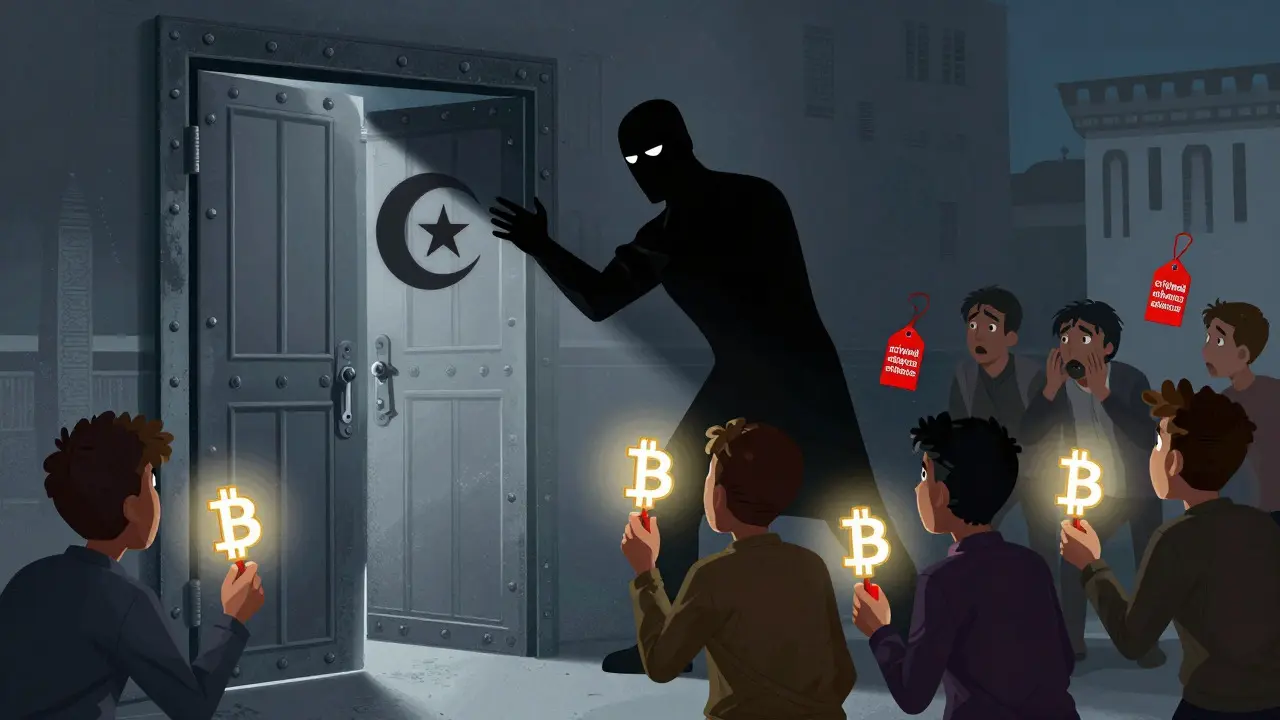

Imagine waking up to find that the digital assets you bought last year are now considered criminal evidence. For residents of Algeria is a North African nation with a population of over 44 million people, where traditional banking has historically been tight and cash transactions dominate daily life., this isn't a hypothetical nightmare-it’s the reality under Law No. 25-10 is a comprehensive legislative act enacted on July 24, 2023, which criminalizes all forms of cryptocurrency activity within Algerian jurisdiction.. Enacted in mid-2023, this law didn’t just tighten the screws; it slammed the door shut on Bitcoin, Ethereum, and every other virtual currency you can name.
If you’re an Algerian trader, a blockchain developer, or even just someone who follows crypto news online, you need to understand exactly what you risked by holding or trading these assets. The stakes have never been higher, and the definitions of "illegal" have expanded far beyond simple buying and selling. Let’s break down what the law actually says, how much you could lose, and who is watching your wallet.
The Scope of the Ban: More Than Just Trading
Before diving into the prison cells and fine structures, we need to clarify what is actually banned. You might think, "I just hold some Bitcoin in a cold wallet at home; no one knows." But Law No. 25-10 defines prohibited activities with terrifying breadth, covering issuance, possession, purchase, sale, storage, mining, promotion, and use.
This means the following actions are strictly illegal:
- Possession: Simply having crypto in your wallet, whether hot or cold, is a crime.
- Trading: Buying or selling via exchanges, peer-to-peer (P2P) platforms, or private deals.
- Mining: Running hardware to validate transactions on any blockchain network.
- Promotion: This is the tricky part. Writing about crypto, teaching blockchain coding, or even discussing DeFi on social media can be construed as "promotion" or "dissemination of information," making influencers and educators targets.
- Facilitation: Hosting blockchain nodes, building crypto wallets, or creating payment gateways linked to digital assets.
The law explicitly defines cryptocurrencies as "virtual instruments used as means of exchange via a computer system, without support from a central bank." By removing the requirement for intent to trade, the net casts wide enough to catch passive holders and tech enthusiasts alike.
Financial Penalties: The Cost of Breaking the Law
So, what happens if you get caught? The financial hit is significant and designed to strip away the value you were trying to protect or grow. Under the standard provisions of the law, individuals face fines ranging from 200,000 to 1,000,000 Algerian dinars.
To put that in perspective, at current exchange rates, this translates to roughly $1,540 to $7,700 USD. However, legal analysts note that courts have discretion. In aggravated cases-such as large-scale operations or repeat offenses-fines can jump significantly higher. Some reports cite penalty ranges reaching up to 2 million Algerian dinars (approximately $14,700 USD).
Here is a breakdown of the potential financial exposure:
| Offense Type | Fine Range (Algerian Dinars) | Estimated USD Value | Note |
|---|---|---|---|
| Standard Violation | 200,000 - 1,000,000 DZD | $1,540 - $7,700 | Applies to most individual traders and holders. |
| Aggravated Cases | Up to 2,000,000 DZD | Up to $14,700 | For large sums, organized activity, or repeat offenders. |
| Repeat Offenders | Doubled Fines | Varies | Penalties are doubled if convicted previously. |
Courts can impose both imprisonment and maximum fines simultaneously. This dual punishment ensures that even if you serve time, you still walk out broke. For small-time traders, the fine alone can wipe out their entire portfolio and then some.
Imprisonment Terms: Jail Time for Digital Assets
Money isn’t the only thing on the line. Liberty is too. Convicted individuals face prison sentences ranging from two months to one year. While this might sound short compared to white-collar crimes in other jurisdictions, it’s a substantial disruption to your life, career, and family stability.
The sentence length depends on several factors:
- Volume of Assets: Larger holdings suggest commercial intent, leading to harsher sentences.
- Organized Crime Links: If your crypto activity is tied to money laundering or terrorist financing, penalties escalate dramatically.
- Role in the Network: Organizers and promoters face stricter scrutiny than passive users.
Interestingly, some legal experts suggest that because the maximum prison term is relatively low (one year), enforcement bodies might prefer focusing on financial penalties. Fines are easier to administer and generate revenue for the state, potentially leading to a high volume of civil-style prosecutions rather than long-term incarcerations. However, don’t count on leniency-the threat of jail remains real.

Enforcement Mechanisms: Who Is Watching?
You might wonder, "How do they know I have Bitcoin?" It’s not magic; it’s surveillance. The Algerian government has empowered the National Agency for the Fight Against Money Laundering and the Financing of Terrorism (ANLCCFT) is the primary regulatory body responsible for monitoring financial transactions and enforcing anti-money laundering laws in Algeria. to crack down on digital assets.
They aren’t just looking at bank statements anymore. The ANLCCFT has established specialized units equipped with blockchain analysis tools similar to those used by the U.S. Internal Revenue Service. These tools allow authorities to trace transactions on public ledgers like Bitcoin and Ethereum, linking wallet addresses to real-world identities through KYC data from exchanges or IP address tracking.
Furthermore, the law grants broad powers to monitor digital communications. Since "promotion" is banned, internet service providers and social media platforms operating in Algeria may be pressured to flag content related to crypto. If you’ve been active in local Telegram groups or Reddit communities discussing P2P trades, your digital footprint is already a liability.
The Human Cost: Brain Drain and Community Silence
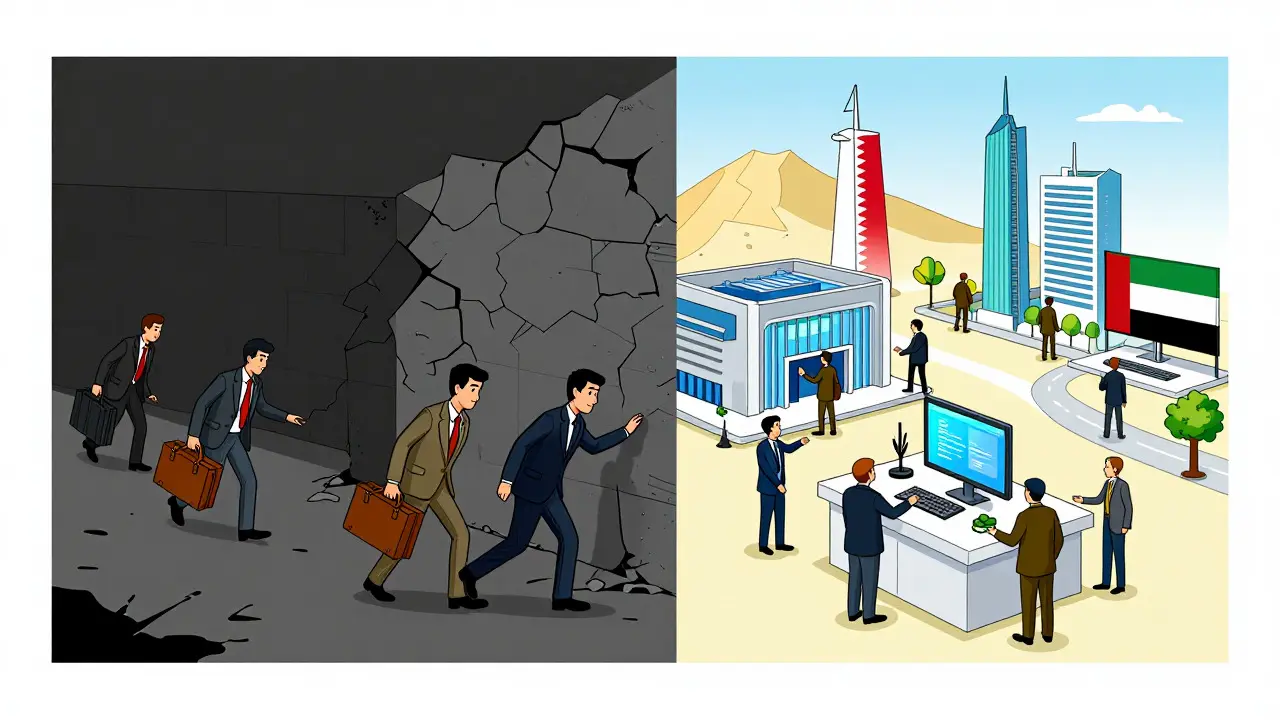
The impact of Law No. 25-10 goes beyond fines and jail cells. It has triggered a mass exodus of talent. Before the ban, Algeria was ranked among the top five fastest-growing crypto markets in the MENA region by Chainalysis in 2022. Developers, entrepreneurs, and traders were building a vibrant ecosystem.
Now, that ecosystem is silent. Local P2P trading platforms have shut down. Influencers have deleted their content. Skilled blockchain developers are relocating to neighboring countries like Tunisia or Morocco, which are developing more nuanced regulatory frameworks. This "brain drain" threatens Algeria’s long-term technological competitiveness. When you ban innovation entirely, you don’t stop it-you just push it across the border.
Dr. Karim El Aynaoui, a policy expert, noted that Algeria’s approach contradicts regional trends. While neighbors like the UAE and Bahrain are creating sandboxes for fintech innovation, Algeria is opting for isolation. The result? An estimated $200 million in annual trading volume has vanished from the informal market, leaving thousands of citizens without access to global financial opportunities.
Comparison with Regional Neighbors
To understand how severe Algeria’s stance is, compare it to its neighbors. Here is how the regulatory landscape looks across North Africa and the Middle East:
| Country | Regulatory Status | Key Authority | Approach |
|---|---|---|---|
| Algeria | Total Ban | ANLCCFT | Criminalization of all activities. |
| United Arab Emirates | Regulated | VARA | Licensing framework for exchanges and firms. |
| Bahrain | Regulated | Central Bank of Bahrain | Strict licensing but allows operation. |
| Egypt | Restricted/Ban | Central Bank of Egypt | No legal tender status; recent crackdowns. |
While Egypt also maintains a restrictive stance, Algeria’s Law No. 25-10 is unique in its explicit criminalization of mere possession and promotion. In the UAE, you can legally run a crypto business if you get a license. In Algeria, you can go to jail for talking about it.
Practical Advice for Those Still Holding Assets
If you are currently in Algeria and hold cryptocurrency, here are the hard truths you need to accept:
- Minimize Your Footprint: Avoid using local IP addresses to access exchanges. Use secure, anonymous networks if you must check balances, though even this carries risk.
- Avoid Promotion: Do not post about crypto on social media. Do not join local Telegram groups. Silence is your best defense against being flagged for "promotion."
- Consider Exit Strategies: If possible, convert assets to fiat through trusted international channels before returning to Algeria, or transfer custody to a trusted party outside the country.
- Consult Legal Counsel: If you are facing investigation, seek a lawyer specializing in financial crimes immediately. The vagueness of the law means defense strategies vary case by case.
Remember, the goal of the law is deterrence. By making the cost of participation prohibitively high, the state hopes to drive everyone back to the traditional banking system. Whether that works long-term remains to be seen, but for now, the risk is yours to bear.
Is Bitcoin legal in Algeria in 2026?
No. Under Law No. 25-10, Bitcoin and all other cryptocurrencies are strictly prohibited. Possession, trading, mining, and even promoting them are criminal offenses punishable by fines and imprisonment.
What is the maximum fine for crypto trading in Algeria?
The standard fine ranges from 200,000 to 1,000,000 Algerian dinars. However, in aggravated cases involving large sums or organized crime, fines can reach up to 2 million Algerian dinars, and penalties are doubled for repeat offenders.
Can you go to jail for holding crypto in Algeria?
Yes. Individuals convicted of crypto-related offenses face prison sentences ranging from two months to one year. Courts may impose both jail time and fines simultaneously.
Does the ban apply to crypto influencers and educators?
Yes. The law prohibits "promotion" and "dissemination of information" about cryptocurrencies. This includes social media posts, educational videos, and technical discussions, making influencers and teachers vulnerable to prosecution.
Which agency enforces the crypto ban in Algeria?
The National Agency for the Fight Against Money Laundering and the Financing of Terrorism (ANLCCFT) is the primary body enforcing the ban. They use blockchain analysis tools to track transactions and identify violators.
Comments (9)

- Lance Jantz
- August 11, 2026 AT 22:04 PM
The sheer audacity of a state attempting to legislate against mathematics is nothing short of tragic, truly. It reminds one of the dark ages where questioning the curvature of the earth was punishable by fire, yet here we are in the digital epoch burning down innovation with bureaucratic fervor. The irony is palpable, almost poetic in its cruelty, as they try to contain the uncontrollable tide of decentralization with the flimsy dam of criminal law. One must wonder if the lawmakers have ever actually held a private key or understood the immutable nature of a blockchain ledger, or if they are merely reacting out of fear of losing their grip on monetary control. It is a pretentious display of power that ultimately reveals their own obsolescence, like a king trying to ban the wind because it blows his hat off. We watch from the sidelines, sipping our metaphorical tea, observing the slow, painful death of economic freedom in North Africa. 🍵

- Kat Bennett
- August 11, 2026 AT 22:39 PM
It is genuinely heartbreaking to see such a vibrant community silenced by fear and heavy-handed legislation, but there is always a silver lining if you look closely enough at the resilience of human spirit. People will find ways to connect and trade, just as they did during prohibition or under oppressive regimes throughout history, proving that financial freedom is an innate desire that cannot be legislated away. I often think about how this might spur underground networks that are even more robust and decentralized than before, creating a sort of digital resistance movement that could eventually force the government’s hand through sheer persistence. It gives me hope that despite the current darkness, the light of innovation will pierce through, perhaps inspiring other nations to adopt more progressive stances out of necessity rather than choice. Let us keep the faith in the technology itself, for it does not care about borders or laws, only code and consensus. 🌟

- Candice Cornett
- August 12, 2026 AT 22:05 PM
honestly people need to stop acting like victims when they choose to break the law in the first place why do we expect governments to just roll over and let everyone gamble with digital tokens that have no intrinsic value whatsoever it is naive to think otherwise
the real issue is that these crypto enthusiasts are usually reckless gamblers who ignore basic economic principles and then cry foul when the hammer drops so maybe if they spent less time chasing moonshots and more time learning actual finance they wouldnt be in this mess
also the idea that banning something makes it disappear is flawed but the penalties here seem justified given the potential for money laundering which is a real problem not just some conspiracy theory

- Don Fizy
- August 14, 2026 AT 17:42 PM
Hey there! 👋 Just wanted to drop a quick note to say that while the situation sounds tough, staying informed is half the battle. If anyone is still holding assets, make sure you double-check your security protocols because paranoia is your best friend right now. Use cold storage, avoid local IPs, and maybe consider talking to a lawyer who specializes in international financial law just to cover your bases. You got this! 💪 Don't let the stress get you down, focus on what you can control and keep your head above water. Stay safe out there!

- Dominic Greco
- August 16, 2026 AT 13:41 PM
They are watching everything!! 👁️👄👁️ The ANLCCFT isn’t just tracking transactions, they are mapping your entire social graph to identify dissidents before you even post. This is exactly what they want, total surveillance capitalism disguised as anti-money laundering efforts. Trust no one, trust the code, and remember that the blockchain is the only truth left in a world of lies. They ban Bitcoin because it threatens their ability to debase the currency and steal your wealth through inflation. Wake up sheeple! 🚨📉

- Phil Babb
- August 16, 2026 AT 22:05 PM
Let's get one thing straight!! Algeria is playing checkers while the rest of the region is playing chess!! 🏁 While Dubai and Bahrain are building fintech hubs and attracting global talent, Algiers is pushing its brightest minds into exile!! This is not just a loss of revenue; it is a catastrophic failure of vision!! The brain drain is real, and it is permanent until they change course!! Neighbors are thriving because they understand that regulation is not prohibition!! It is time for a serious wake-up call!! 📢

- Sus Sawyer
- August 18, 2026 AT 18:48 PM
look i know this is scary but u gotta stay chill n smart about it dont panic sell into a dip just cuz ur scared of the cops use vpn if u must but better yet move yer funds offshore if u can afford it i seen guys lose it all bc they were sloppy with their metadata so clean up yer digital footprint delete old posts unlist wallets n stay low profile its all bout opsec man 🤷♂️

- Billy Cunningham
- August 18, 2026 AT 20:44 PM
Another day, another country killing its own economy. 😒 So typical.

- Ed Wallace
- August 19, 2026 AT 05:09 AM
One must ponder the philosophical implications of possessing something that exists only as a mathematical proof yet carries the weight of criminal liability. Is the crime in the act of holding, or in the intent to exchange? The law conflates the two, suggesting that mere thought-manifested through possession-is sufficient for guilt. It raises questions about the nature of property rights in a digital age where ownership is defined by keys rather than physical presence. Perhaps the true theft is the state’s attempt to erase the concept of private property altogether. 🤔
Post-Comment
Categories
Popular Articles