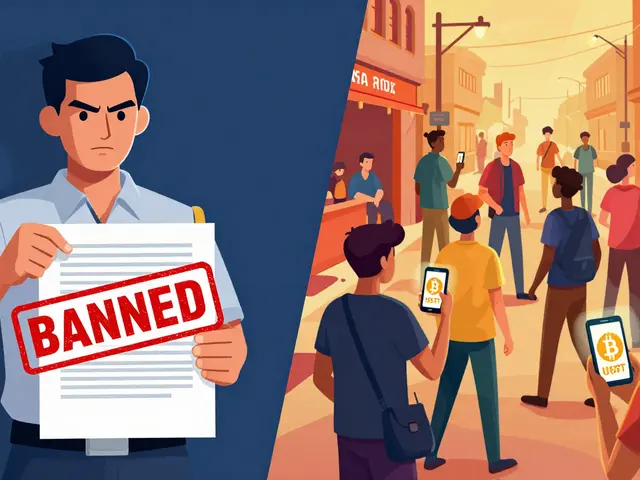

For years, crypto mining in Pakistan was a ghost activity-happening in basements and warehouses, ignored by regulators but frowned upon by banks. That changed abruptly in July 2025 when the government passed the Virtual Assets Act, 2025, effectively dragging the industry out of the shadows and into a structured, taxable reality. If you are looking to set up a rig or join a pool here, the rules have shifted from "don't get caught" to "get licensed." This isn't just about legality anymore; it is about navigating a new federal authority, specific electricity tariffs, and tax codes that treat mined coins as regular income.
The New Sheriff in Town: PVARA
The backbone of this new regulatory era is the Pakistan Virtual Asset Regulatory Authority (PVARA). Before this, you had a confusing mix of signals: the State Bank of Pakistan (SBP) said crypto wasn't legal tender, while the Pakistan Crypto Council (PCC) encouraged adoption. Now, PVARA has taken the wheel. It operates as an autonomous federal regulator, meaning it answers directly to the government on matters concerning virtual assets, including mining operations. Getting a license from PVARA isn't a formality. You can't just plug in your ASIC miners and start earning. The application process demands proof of compliance with international standards like the Financial Action Task Force (FATF) guidelines. This means knowing your customer (KYC) protocols aren't just for exchanges; they apply to who owns the mining hardware and where the profits go. For foreign firms eyeing Pakistan's cheap power, there's another hurdle: you must already hold licenses from major global regulators like the US SEC, UK FCA, or Singapore’s MAS. This filters out fly-by-night operators but creates a high barrier for local startups without international backing.
Power Play: The 2,000 MW Allocation
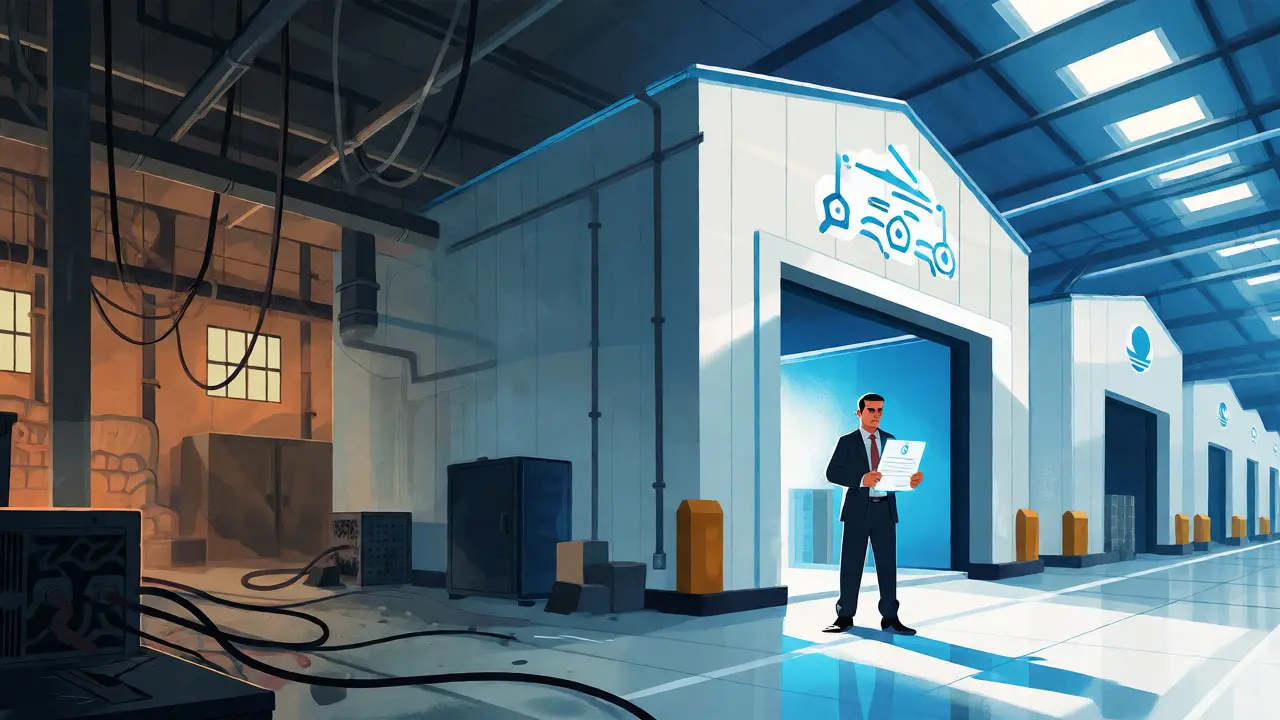
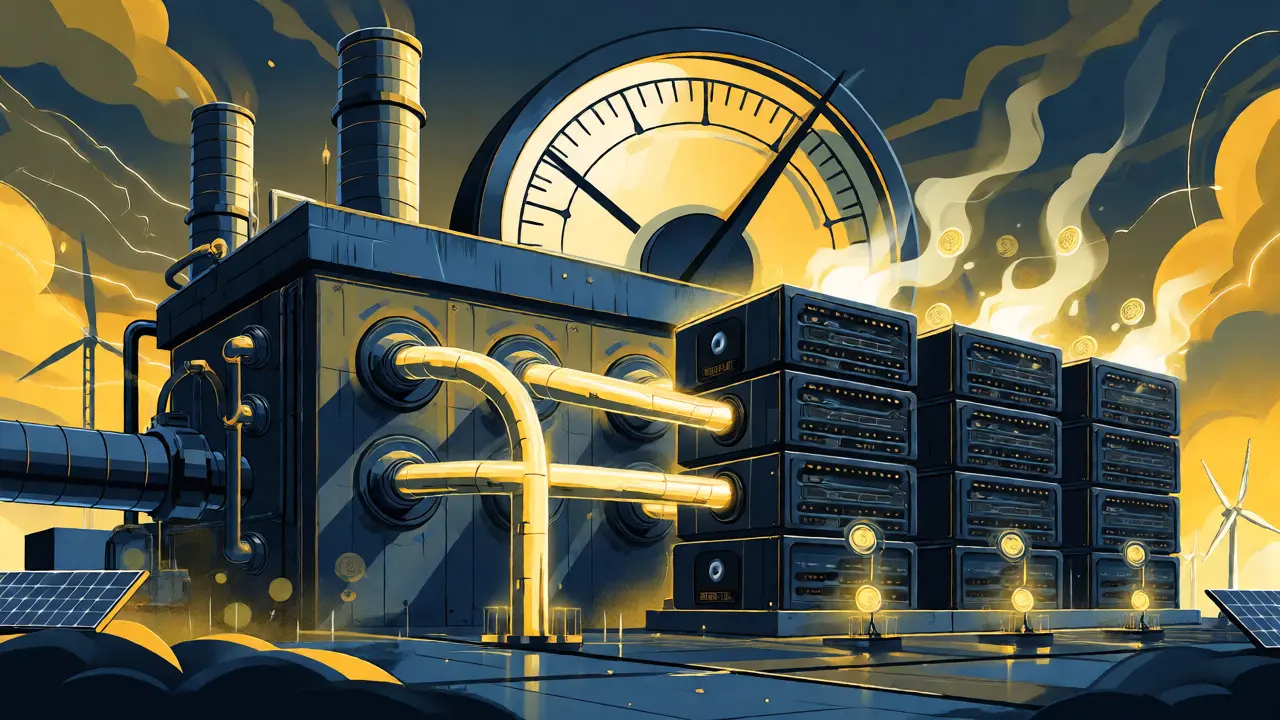
Why is everyone suddenly interested in Pakistani mining? Electricity. In August 2025, the government allocated 2,000 megawatts (MW) of electricity specifically for Bitcoin mining and AI data centers. This is a massive shift. Previously, miners often tapped into residential lines or used illegal connections. Now, this allocation utilizes excess power from underutilized coal plants and surplus energy from regions where small businesses have switched to solar due to economic pressures.
If fully deployed, this capacity could push Pakistan into the top five global mining hubs, potentially adding over 60 exahashes per second (EH/s) to the Bitcoin network. But there is a catch for your wallet. The IMF raised concerns about subsidized rates draining the national grid. To address this, PVARA mandates that commercial mining facilities cannot use residential electricity rates. You need an industrial tariff connection with a minimum load of 500 kW. Furthermore, draft guidelines released in late August 2025 require that by 2027, at least 70% of your energy source must be renewable or repurposed. This pushes miners toward green energy solutions rather than just burning through whatever coal is available.
Taxation: Don't Get Caught by the FBR
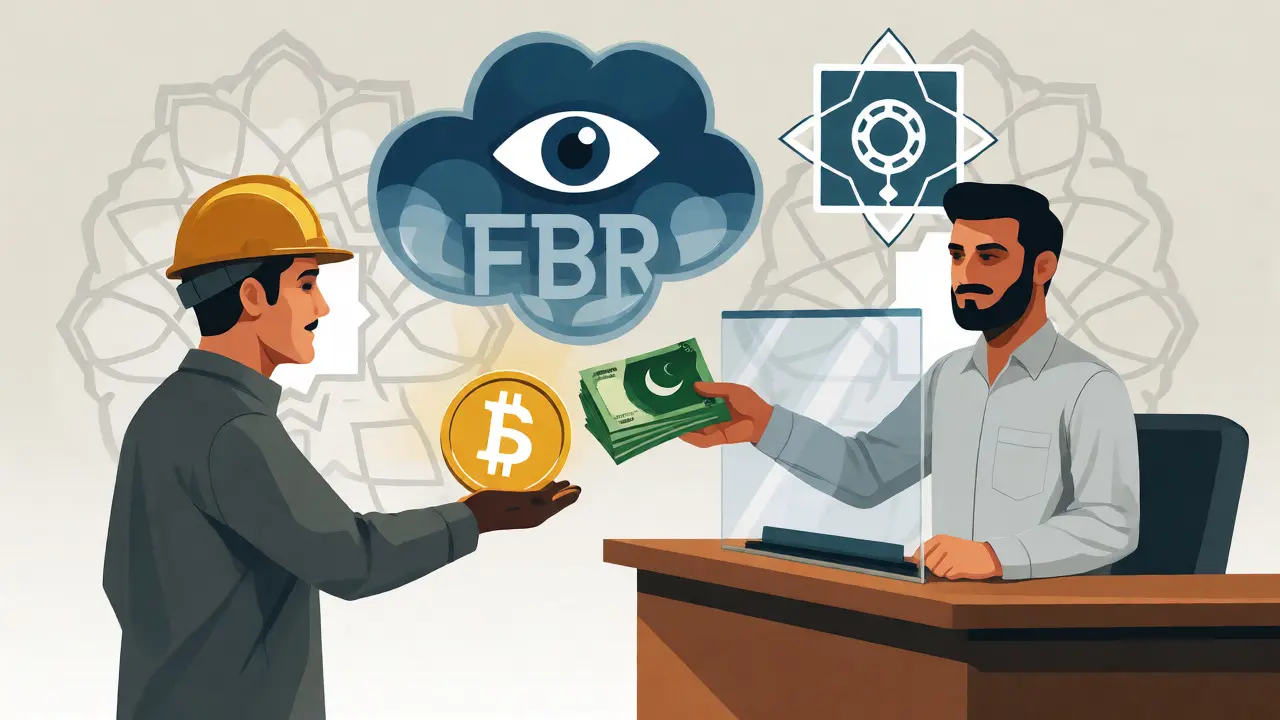
Here is where many hobbyists get tripped up. The Federal Board of Revenue (FBR) now receives transaction data directly from registered mining operations. There is no hiding behind anonymity if you are operating within the legal framework.
| Income Type | Tax Rate | Thresholds/Notes |
|---|---|---|
| Mining Income | 5% - 35% | Progressive rates based on total annual income. Starts at 5% for income up to ₨600,000 and rises to 35% for income over ₨12 million. |
| Capital Gains | 15% | Flat rate applied when selling mined cryptocurrency for profit. |
| Filing Deadline | September 30 | Annual filing via Form IT-1 is mandatory for all registered miners. |
Think of mined Bitcoin not as a magical digital token, but as wages. If you mine a coin worth $10,000 today, that value counts as income at the moment of receipt. When you sell it later for $15,000, you pay capital gains tax on the difference. Missing the September 30 deadline can lead to penalties that eat into those thin mining margins. Since PVARA shares data with the FBR, discrepancies between your reported hash rate earnings and bank deposits will trigger audits quickly.
Banking and Legal Tender Confusion
Despite the new laws, don't expect your local branch manager to understand Bitcoin. The State Bank of Pakistan reiterated in August 2025 that digital currencies are still not recognized as legal tender. Existing banking laws prohibit traditional financial institutions from dealing directly in them. So, how do you cash out?
You likely won't see a direct wire transfer from a mining pool to your savings account labeled "Bitcoin Sale." Most successful miners operate through licensed VASPs (Virtual Asset Service Providers) that act as intermediaries. These entities handle the conversion to Pakistani Rupees (PKR) before depositing funds into your bank. This adds a layer of fees and processing time, but it keeps you compliant. Trying to bypass these channels using informal hawala networks might save fees but risks violating anti-money laundering checks now enforced by PVARA.
Shariah Compliance and Local Nuances
Pakistan is a unique market because religious law plays a significant role in finance. The new regulatory framework includes provisions for Shariah-compliant mining operations through regulatory sandboxes. This addresses previous hesitations among conservative investors who viewed speculative trading as gambling (Gharar). By defining mining as a service provider activity involving effort and resource consumption, regulators aim to align it with Islamic finance principles. If you are targeting local investors for your mining farm, highlighting this compliance can be a major selling point.
Implementation Roadmap: What’s Next?
PVARA isn't opening the floodgates all at once. They have outlined a two-phase implementation plan. Phase 1, covering Q3 and Q4 of 2025, focuses on licensing large international operations with hash rates exceeding 1 EH/s. This brings in big players first to stabilize the grid and prove the model works. Phase 2, starting in Q1 2026, opens the door to domestic small-scale miners, provided they meet a minimum capacity of 100 PH/s.
This timeline suggests that if you are a small home miner, you might want to wait until early 2026 to formalize your setup. Until then, operating informally carries higher risk as enforcement tightens. Meanwhile, the Senate is debating whether the Pakistan Crypto Council should move under the Ministry of Information Technology instead of Finance, which could further streamline tech-focused regulations.
Practical Steps for Miners in Pakistan
- Secure Industrial Power: Ensure your facility qualifies for a minimum 500 kW industrial connection. Avoid residential meters.
- Prepare FATF Documentation: Have your business structure, beneficial ownership, and security protocols ready for PVARA review.
- Track Costs Separately: Keep distinct ledgers for electricity costs, hardware depreciation, and mined rewards to simplify tax filings.
- Use Licensed Exchanges: Convert crypto to PKR only through PVARA-registered VASPs to ensure clean banking trails.
- Plan for Green Energy: Invest in solar or wind partnerships now to meet the 70% renewable requirement by 2027.
Is Bitcoin mining currently legal in Pakistan?
Yes, following the enactment of the Virtual Assets Act in July 2025, mining is legal but strictly regulated. Operations must be licensed by the Pakistan Virtual Asset Regulatory Authority (PVARA) and comply with taxation and electricity usage rules.
How much electricity can I use for mining in Pakistan?
The government has allocated 2,000 MW specifically for mining and AI centers. Commercial operations require an industrial tariff connection with a minimum load of 500 kW. Residential subsidized rates are prohibited for mining.
What taxes do I pay on mined cryptocurrency?
Mining income is taxed as regular income at progressive rates ranging from 5% to 35%. Additionally, capital gains from selling mined coins are subject to a flat 15% tax. All income must be reported annually by September 30.
Can I open a bank account for my mining business?
Traditional banks may hesitate because crypto is not legal tender. However, licensed Virtual Asset Service Providers (VASPs) can facilitate conversions to Pakistani Rupees, allowing you to deposit funds into standard bank accounts legally.
Do I need an international license to mine in Pakistan?
Foreign companies applying for PVARA licenses must already be licensed by recognized global regulators such as the US SEC, UK FCA, EU VASP framework, UAE VARA, or Singapore MAS. Domestic miners follow different, less stringent initial criteria in Phase 2.