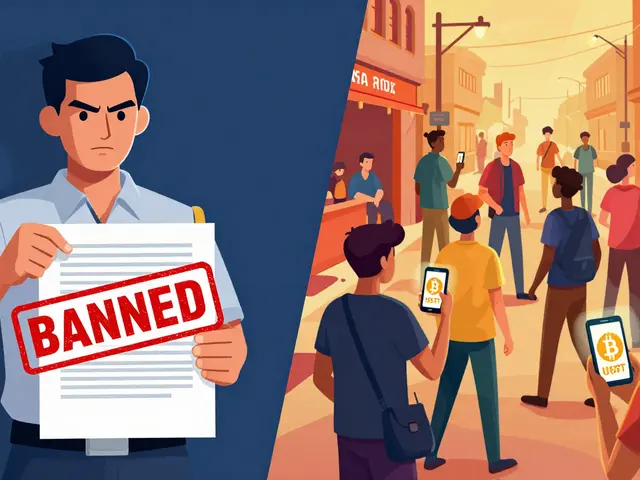

Imagine needing to sell your share of a rental property. In the old world, you’d be stuck waiting months for a buyer, paying hefty agent fees, and dealing with endless paperwork. Now, picture selling that same asset in minutes, from your phone, while sipping coffee. This isn’t science fiction anymore. It’s the reality of tokenized real estate, which is the process of converting physical property rights into digital tokens on a blockchain.
The biggest hurdle in traditional real estate has always been liquidity. Properties are illiquid assets. You can’t just cash them out instantly when you need money. But tokenization changes everything. By breaking down properties into smaller, tradable digital shares, it brings stock-market-like speed and flexibility to the property market. Let’s look at exactly how this works and why it matters for investors in 2026.
What Is Tokenized Real Estate?
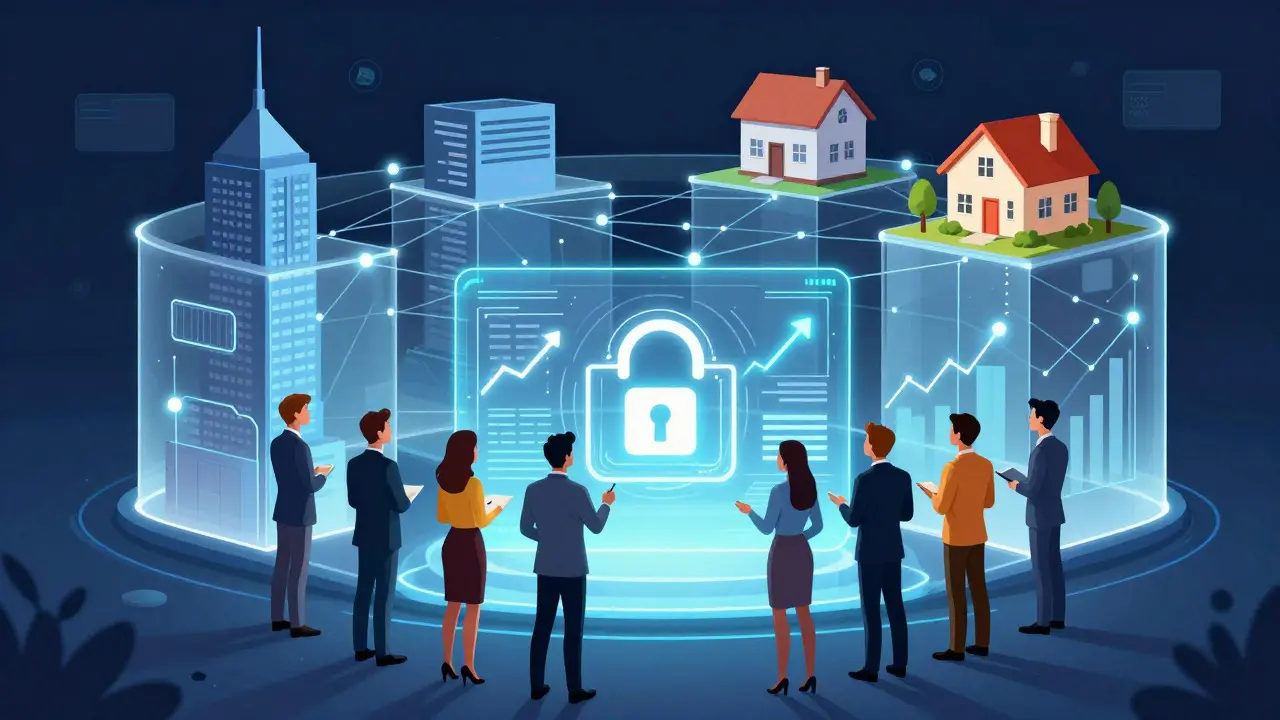
At its core, tokenized real estate uses blockchain technology to represent ownership of a physical building or land as digital tokens. Think of it like a digital deed. Each token represents a fraction of the property. If you own one token, you own a tiny slice of that building.
This concept started gaining traction around 2018 with platforms like RealT. Since then, it has exploded. Platforms like Lofty AI, Polymesh, and REENTAL have made it easier than ever for regular people to buy into commercial buildings, apartment complexes, or even luxury homes without buying the whole thing.
Here’s the key difference: instead of signing papers with a notary and waiting weeks for title insurance, you hold these tokens in a digital wallet. The blockchain acts as the public ledger, recording who owns what. This transparency reduces fraud and speeds up transactions significantly.
The Liquidity Revolution: From Months to Minutes
Liquidity refers to how quickly you can turn an asset into cash without losing much value. Traditional real estate is notoriously illiquid. Selling a house can take 60 to 90 days. Commercial properties can take six months or more. During this time, you’re tied up. You can’t access your capital if an emergency hits.
Tokenized real estate flips this script. According to Deloitte’s 2025 Financial Services Industry Predictions report, tokenization allows investors to enter and exit positions with the speed previously only available in public markets. Here’s how:
- Faster Settlements: Traditional sales involve banks, lawyers, and title companies. Tokenized sales settle in minutes. For example, LiquidFi demonstrated reducing mortgage-backed securities reporting time from 55 days to just 30 minutes using the Stellar blockchain.
- 24/7 Trading: Stock markets close. Real estate agents don’t work on Sundays. Tokenized assets trade 24 hours a day, seven days a week. You can sell your tokens during Asian market hours if you want.
- Fractional Ownership: You don’t need $500,000 to invest. Some platforms allow entry with as little as $50. This lowers the barrier to entry and creates a larger pool of potential buyers, which boosts liquidity.
In Q3 2025, secondary market trading volumes for tokenized real estate jumped 220% compared to the previous year. That’s a clear sign that investors are embracing this new level of accessibility.
Why Does Liquidity Matter for Investors?
You might wonder, “So what? Why do I care if I can sell faster?” The answer lies in financial flexibility and risk management.
First, consider opportunity cost. If you spot a better investment elsewhere but your money is locked in a physical property, you miss out. With tokenized assets, you can rebalance your portfolio instantly. Need cash for a medical emergency? A user on Trustpilot reported accessing funds within 90 minutes via REENTAL to cover unexpected costs. That kind of agility is impossible with traditional deeds.
Second, there’s the issue of discounts. Illiquid assets often sell at a discount because buyers know they’re stuck holding them for a long time. Historically, real estate carried a 15-30% illiquidity discount. EY reports that tokenization shrinks this gap to just 3-8%. You get closer to fair market value because you can sell whenever you want.

How It Works: The Technical Side
Under the hood, this system relies on specific blockchain networks and standards. Most tokenized real estate operates on platforms like Ethereum, Polygon, or Polymesh. These chains provide the security and speed needed for financial transactions.
To participate, you typically need:
- A Digital Wallet: Apps like MetaMask or hardware wallets like Ledger store your tokens.
- KYC/AML Verification: Because real estate is regulated, platforms verify your identity. This prevents money laundering and ensures compliance.
- Cryptocurrency: You’ll usually need crypto (like USDC or ETH) to buy the tokens, though some platforms now accept fiat directly.
Security is paramount. Smart contracts-the code that runs the transaction-must be audited. Vulnerabilities here could lead to losses. However, protocols like Polymesh include built-in identity modules and multi-signature requirements to keep assets safe.
Tokenized Real Estate vs. Traditional REITs
If you’ve invested in real estate before, you’ve probably heard of REITs (Real Estate Investment Trusts). They’re similar in that they offer fractional exposure to property. But there are key differences.
| Feature | Traditional REITs | Tokenized Real Estate |
|---|---|---|
| Minimum Investment | $1,000 - $5,000 | As low as $50 |
| Trading Hours | Market Hours Only | 24/7 |
| Settlement Time | T+2 Days | Minutes |
| Transparency | Quarterly Reports | On-Chain Data |
| Illiquidity Discount | Moderate | Low (3-8%) |
REITs are traded on exchanges like the NYSE, so they’re liquid. But tokenized real estate offers more granular control. You can pick specific buildings rather than a diversified fund managed by someone else. Plus, the lower minimums make it accessible to a wider audience.
Challenges and Risks to Watch
It’s not all smooth sailing. While the benefits are huge, there are hurdles.
Regulatory Fragmentation: Laws vary wildly by country. The SEC in the US has clarified rules for digital asset securities, but Europe follows MiCA, and other regions are still catching up. This can limit where you can trade and who can buy.
Market Depth: While growing, the secondary market for tokenized real estate is still small compared to traditional stocks. As of Q3 2025, average daily volume was $12.7 million versus $1.3 billion for major REITs. This means selling large amounts quickly might still be tricky for niche properties.
Technology Risk: If the platform goes down or your wallet gets hacked, you could lose access. Always use reputable platforms with strong security audits. Gas fees on Ethereum can also spike, though layer-2 solutions like Polygon have reduced costs from $15.75 in early 2024 to just $0.83 in late 2025.
The Future Outlook: Where Are We Headed?
The trajectory is upward. The global real estate tokenization market hit $9.5 billion in Q3 2025, up 147% from the previous year. Experts predict it will reach $112 billion by 2027.
Institutional players are jumping in. BlackRock’s Alchemy Platform manages billions in tokenized assets. Fidelity integrated tokenized real estate into its digital assets platform in September 2025, allowing 401(k) participation. This signals mainstream acceptance.
By 2028, Deloitte predicts liquidity levels for tokenized real estate will approach 85% of traditional REITs. This will happen through better custody solutions, standardized regulations, and cross-chain interoperability. The goal? To make selling a piece of a building as easy as selling a share of Apple stock.
Is tokenized real estate legal?
Yes, but regulations vary by jurisdiction. In the US, the SEC has issued frameworks for digital asset securities. In Europe, MiCA provides standardized rules. Always check local laws and ensure the platform complies with KYC/AML requirements.
How much money do I need to start investing?
Many platforms like Lofty.ai allow investments starting at $50. This makes it accessible for retail investors who couldn’t afford full property purchases or high-minimum REITs.
What happens if the blockchain network fails?
Blockchains like Ethereum and Polygon are highly secure and decentralized, making total failure unlikely. However, smart contract bugs can occur. Reputable platforms undergo rigorous third-party audits to minimize this risk.
Can I earn rental income from tokenized properties?
Yes. Most tokenized real estate platforms distribute rental yields directly to token holders’ wallets. Payments are often automated via smart contracts, ensuring timely distribution proportional to your ownership share.
How does tax reporting work for tokenized real estate?
Tax treatment depends on your location. Generally, profits from selling tokens are subject to capital gains tax. Rental income is taxed as ordinary income. Keep records of all transactions, as platforms may provide annual summaries, but consult a tax professional for specifics.