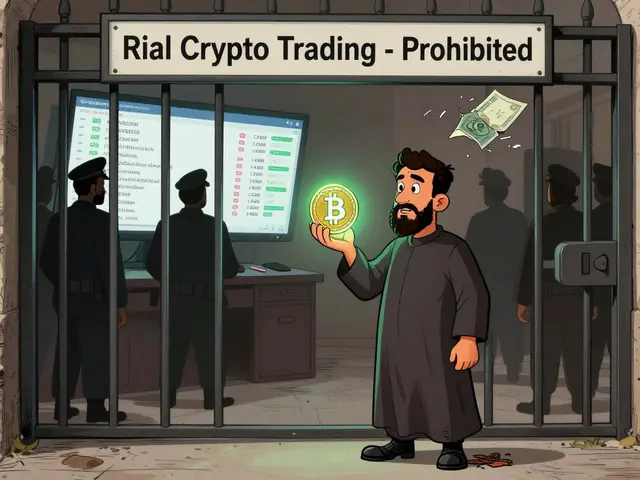

Imagine waking up to find that your favorite digital wallet can no longer buy you a cup of coffee in Istanbul, but you can still trade Bitcoin all day long. That is the reality for millions of Turks today. It sounds contradictory, right? But it is exactly how Turkey has chosen to handle its massive cryptocurrency adoption. The country recently shifted from a loose, almost chaotic approach to one of the world’s most structured regulatory environments. This isn't just bureaucratic noise; it is a fundamental change in how money moves through the Turkish economy.
If you are an investor, a trader, or just someone curious about why Turkey keeps making headlines in the crypto world, you need to understand this pivot. We are not talking about a simple ban. We are talking about a sophisticated legal framework designed to protect the Turkish Lira while keeping the trading markets alive. Let’s break down what actually happened, who is calling the shots, and what it means for your portfolio.
The Big Shift: From Wild West to Strict Oversight
For years, Turkey was a haven for crypto enthusiasts. With inflation eating away at savings, people turned to digital assets as a hedge. By 2021, over 20% of the population owned some form of cryptocurrency. But the government wasn’t happy with cryptocurrencies acting like parallel currencies. In April 2021, the Central Bank of Turkey (TCMB) dropped a bombshell: they banned the use of crypto for payments. You could hold it, you could trade it, but you couldn’t pay for goods with it.
This was the first step in a larger strategy. The goal was clear: stop digital assets from challenging the sovereignty of the Turkish Lira. Fast forward to 2024, and the situation evolved into something much more comprehensive. On June 26, 2024, Law No. 7518 officially came into effect. This law amended the Capital Markets Law and created a formal definition for everything from "wallets" to "custody services." It replaced the previous patchwork of informal guidelines with hard rules. Suddenly, operating a crypto exchange in Turkey wasn’t just about having a good website; it was about meeting strict capital requirements and getting licensed by the state.
Who Is Actually in Charge?
Regulation often fails because it is unclear who is responsible. Turkey solved this by creating a tri-party oversight structure. If you are trying to navigate these waters, you need to know which door to knock on.
- The Capital Markets Board (CMB): This is the main boss. They issue licenses, set the rules for exchanges, and impose sanctions. If you want to run a crypto platform in Turkey, you answer to them.
- The Financial Crimes Investigation Board (MASAK): Think of MASAK as the financial police. They enforce anti-money laundering (AML) rules. Their power expanded significantly in 2025, giving them the ability to freeze accounts linked to suspicious activity without always needing prior court approval.
- TÜBİTAK: The Scientific and Technological Research Council of Türkiye handles the technical side. They ensure that the infrastructure used by crypto service providers meets specific security and compliance standards.
This division of labor creates a tight net. The CMB handles the business side, MASAK handles the crime prevention side, and TÜBİTAK ensures the tech works correctly. For legitimate businesses, this clarity is actually helpful. For those used to operating in the shadows, it is a nightmare.
The Cost of Doing Business: High Barriers to Entry
So, what does it take to stay in the game? Law No. 7518 introduced hefty capital requirements. If you want to operate as a Crypto Asset Service Provider (CASP), specifically an exchange, you need a minimum capital of TRY 150 million (roughly $4.1 million). If you want to offer custody services-where you hold customers' keys-you need TRY 500 million (about $13.7 million).
| Requirement Type | Exchange Providers | Custodian Providers | User Impact |
|---|---|---|---|
| Minimum Capital | TRY 150 Million (~$4.1M) | TRY 500 Million (~$13.7M) | Fewer small competitors; more stable platforms. |
| Licensing Authority | Capital Markets Board (CMB) | Capital Markets Board (CMB) | Clearer trust signals for users. |
| KYC Threshold | Transactions > TRY 15,000 | Transactions > TRY 15,000 | More paperwork for larger trades. |
| Payment Usage | Banned | Banned | No direct purchases with crypto. |
These numbers are not accidental. They are designed to weed out underfunded startups and fly-by-night operators. The result? Market consolidation. Smaller exchanges have either merged, closed, or migrated to jurisdictions with looser rules. For the average user, this means fewer choices but potentially safer platforms. Major players like ICRYPEX have had to adapt quickly, investing heavily in compliance teams and risk management systems.

Enforcement Gets Real: The 2025 Crackdown
Writing laws is easy; enforcing them is hard. In early 2025, Turkey proved it was serious. In February, full AML rules kicked in, requiring every crypto firm to be licensed and audited. Then, in July 2025, authorities blocked 46 unlicensed exchanges. This list included popular decentralized exchange (DEX) platforms like PancakeSwap. If you were trying to swap tokens on a DEX from a Turkish IP address, you likely hit a wall.
The enforcement didn’t stop at blocking websites. In late July 2025, the founder of ICRYPEX, one of Turkey’s largest local exchanges, was detained. The allegations linked crypto funding to government critics, raising eyebrows among industry watchers. Was this purely about compliance, or was regulation being used as a political tool? It’s hard to say for sure, but the message was loud: nobody is above the new rules.
These actions disrupted user access significantly. Many traders reported delays in account verification and confusion about which platforms were still operational. Some migrated to international platforms, but regulators actively monitor and block foreign exchanges that serve Turkish users without proper licensing. The era of casually using offshore exchanges is coming to an end.
How Turkey Compares Globally
You might wonder if Turkey is alone in this approach. Not really, but their specific mix is unique. Let’s look at how they stack up against other major jurisdictions.
- European Union (MiCA): Turkey’s framework aligns closely with the EU’s Markets in Crypto-Assets (MiCA) regulation. Both emphasize consumer protection and clear definitions. However, Turkey is stricter on payments.
- United States: The US approach is fragmented, with multiple agencies (SEC, CFTC) fighting for jurisdiction. Turkey centralizes control under the CMB, offering clearer pathways for licensed operators but less flexibility for innovation.
- China: China completely bans crypto trading and mining. Turkey allows trading but bans payments. It’s a middle ground-more restrictive than Switzerland, less severe than China.
- South Korea: Similar to Turkey, South Korea uses a licensed exchange model. However, Turkey’s capital requirements are higher, and its reporting obligations are more extensive.
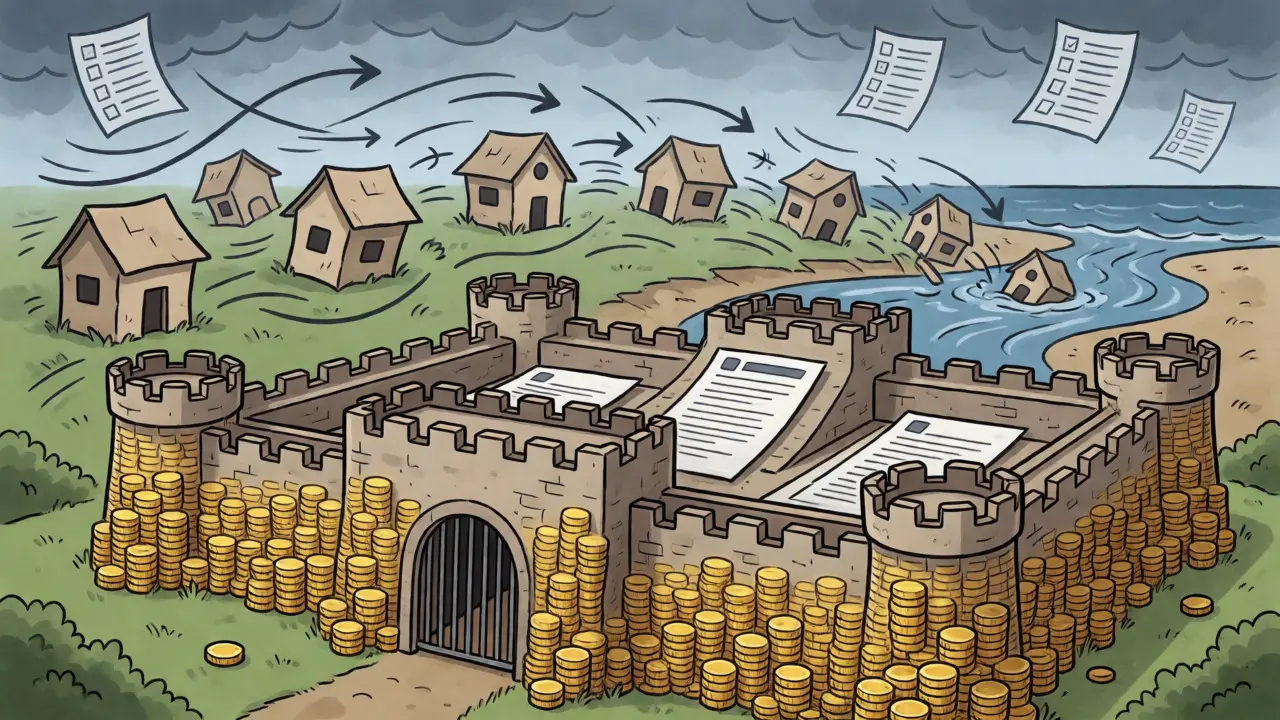
The defining feature of Turkey’s model is the complete prohibition on crypto payments combined with legal trading. Most countries allow both or ban both. Turkey separates them to protect monetary policy while acknowledging market demand.
What This Means for You
If you are holding crypto in Turkey, your experience has changed. Security has improved because licensed platforms must undergo regular audits and implement robust KYC procedures. But convenience has taken a hit. You cannot use Bitcoin to buy groceries. If you make a transaction over 15,000 Turkish Lira (about $425-$450), you face strict identity verification and may need to document the source of funds.
For international investors eyeing the Turkish market, the high barriers to entry mean competition is lower, but so is the potential for rapid growth among new entrants. The market is consolidating around well-funded operators. Enterprise adoption remains limited because companies cannot easily use crypto for payroll or supplier payments due to the ban.
Looking ahead, further tightening is expected. Draft legislation aims to expand MASAK’s authority to freeze accounts even faster. There are also discussions about restricting stablecoin transfers to prevent capital flight. The trend is clear: Turkey wants to keep the benefits of blockchain technology while ensuring the Turkish Lira remains the undisputed king of domestic commerce.
Frequently Asked Questions
Can I still trade cryptocurrency in Turkey?
Yes, trading cryptocurrency is fully legal in Turkey. However, you must use platforms that are licensed by the Capital Markets Board (CMB). Unlicensed exchanges have been blocked, so always verify the license status of your provider before depositing funds.
Why did Turkey ban crypto payments?
The Central Bank of Turkey banned crypto payments to protect the monetary sovereignty of the Turkish Lira. They wanted to prevent digital assets from becoming a parallel currency that could undermine traditional monetary policy and inflation control efforts.
What is Law No. 7518?
Law No. 7518 is the cornerstone of Turkey's modern crypto regulation. Passed in June 2024, it defines key terms like 'cryptoasset' and 'service provider,' establishes licensing requirements, and sets minimum capital thresholds for exchanges and custodians.
Do I need to do extra KYC checks?
If your transactions exceed 15,000 Turkish Lira (approx. $425-$450), you will face stricter Know Your Customer (KYC) checks. You may need to provide documentation explaining the source of funds and the purpose of the transaction to comply with Anti-Money Laundering (AML) regulations.
Are decentralized exchanges (DEXs) allowed?
Access to unlicensed DEXs has become difficult. In July 2025, Turkish authorities blocked 46 unlicensed exchanges, including major DEX platforms like PancakeSwap. While the technology exists, accessing it from within Turkey often requires workarounds, and regulators are actively monitoring foreign platforms serving Turkish users.