Uniswap Wallet: What It Is, How It Works, and What You Need to Know
When you hear Uniswap Wallet, a non-custodial crypto wallet designed to interact directly with the Uniswap decentralized exchange. Also known as DeFi wallet, it lets you swap tokens, stake liquidity, and manage your crypto without handing control to a central company. Unlike exchange wallets like Binance or Coinbase, where the platform holds your keys, an Uniswap Wallet puts you in full control. That means no one can freeze your funds or block your trades — but it also means if you lose your seed phrase, your crypto is gone for good.
This type of wallet runs on Ethereum, the blockchain where Uniswap was built and where most of its trading volume happens, and connects through browser extensions like MetaMask or mobile apps like Trust Wallet. You don’t need to sign up or verify your identity. Just connect your wallet, approve a transaction, and swap. That’s it. But here’s the catch: every swap you make on Uniswap costs gas fees in ETH, and if you’re swapping small amounts, those fees can eat into your profits. That’s why many users only use it for trades over $50. And while Uniswap itself is secure, you’re still vulnerable to phishing scams, fake tokens, and malicious smart contracts — especially if you click a link from a random Discord channel or Telegram group.
Most people don’t realize that an Uniswap Wallet isn’t just for trading. It’s also the gateway to DeFi, a whole ecosystem of lending, borrowing, and earning interest without banks. You can deposit ETH into a liquidity pool on Uniswap and earn fees every time someone trades the pair you’re supporting. Or you can use your wallet to stake tokens in yield farms that pay out in extra crypto. But these features come with risks — impermanent loss, smart contract bugs, and rug pulls. That’s why you’ll see posts here about wallets that got drained by fake approvals, tokens that vanished overnight, and how to spot a scam before you connect your wallet.
What you’ll find in the posts below aren’t just guides on how to use an Uniswap Wallet — they’re real stories of what happens when things go wrong. You’ll read about people who lost money because they didn’t check token contracts, others who got hacked through fake wallet alerts, and how some DeFi platforms look legit but have no team or audits. There’s also advice on how to protect your wallet, what to look for before approving a transaction, and why some exchanges like Aerodrome or THORChain are better alternatives for certain trades. This isn’t theory. It’s what people actually ran into — and how they fixed it.
Uniswap v2 on Base: A Simple, Reliable Crypto Exchange for Everyday Traders
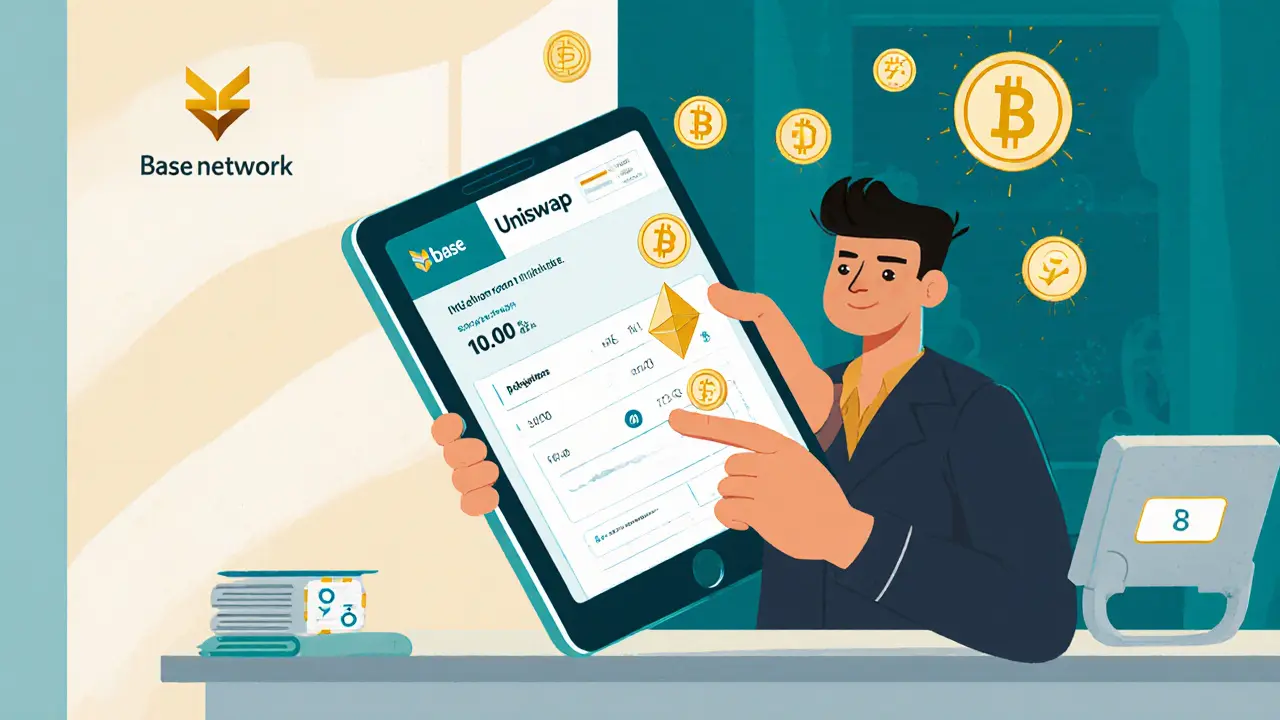

Uniswap v2 on Base offers a simple, low-cost way to trade crypto without intermediaries. With low fees, wide token support, and no KYC, it’s ideal for self-custody traders - but requires crypto knowledge and carries risks.