Risk Control in Crypto: How to Protect Your Funds from Hacks, Scams, and Losses
When you hold crypto, risk control, the practice of identifying, evaluating, and reducing threats to your digital assets. It’s not about avoiding crypto—it’s about not letting bad actors or bad choices wipe out your holdings. Without it, even smart investors lose everything to a single click. Cross-chain bridges, fake airdrops, unaudited DeFi tokens, and unregulated exchanges aren’t just risky—they’re designed to trap the unprepared.
Take cross-chain security, the safety of moving crypto between blockchains. Over $2 billion has been stolen from bridges since 2020. One wrong approval, one unverified contract, and your funds vanish. Then there’s DeFi risks, the hidden dangers in lending, staking, and yield farming platforms. Many DeFi apps look legit but have no team, no audits, and no way to recover your money if things go south. Look at MochiSwap or Libre Swap—zero audits, wild price swings, and no real users. These aren’t investments. They’re gambling with your crypto.
And don’t forget crypto scams, fraudulent offers disguised as opportunities. The KCAKE airdrop? Doesn’t exist. The Multigame airdrop? Real—but only if you meet strict, verifiable conditions. Scammers copy names, fake websites, and use hype to steal wallets. If it sounds too good to be true, it is. Risk control means checking every project like you’re auditing a bank. Who’s behind it? Is it audited? Is there real trading volume? Or is it just a dead token like LifeTime or BIZZCOIN?
Even governments play a role. India banned unregistered exchanges. FTX Turkey collapsed because it broke local laws. North Korea steals crypto to fund weapons. These aren’t distant threats—they’re real reasons why your wallet needs layers of protection. Risk control isn’t a one-time setup. It’s daily habits: never share seed phrases, use hardware wallets for big holdings, double-check contract addresses, and avoid platforms that ask you to give up custody.
Below, you’ll find real stories of people who lost money—and how they could’ve stopped it. From bridge hacks to fake airdrops to dead tokens, every post here shows a different way risk control saves your crypto. No fluff. No hype. Just what works.
Managing Leverage Effectively in Blockchain and Business
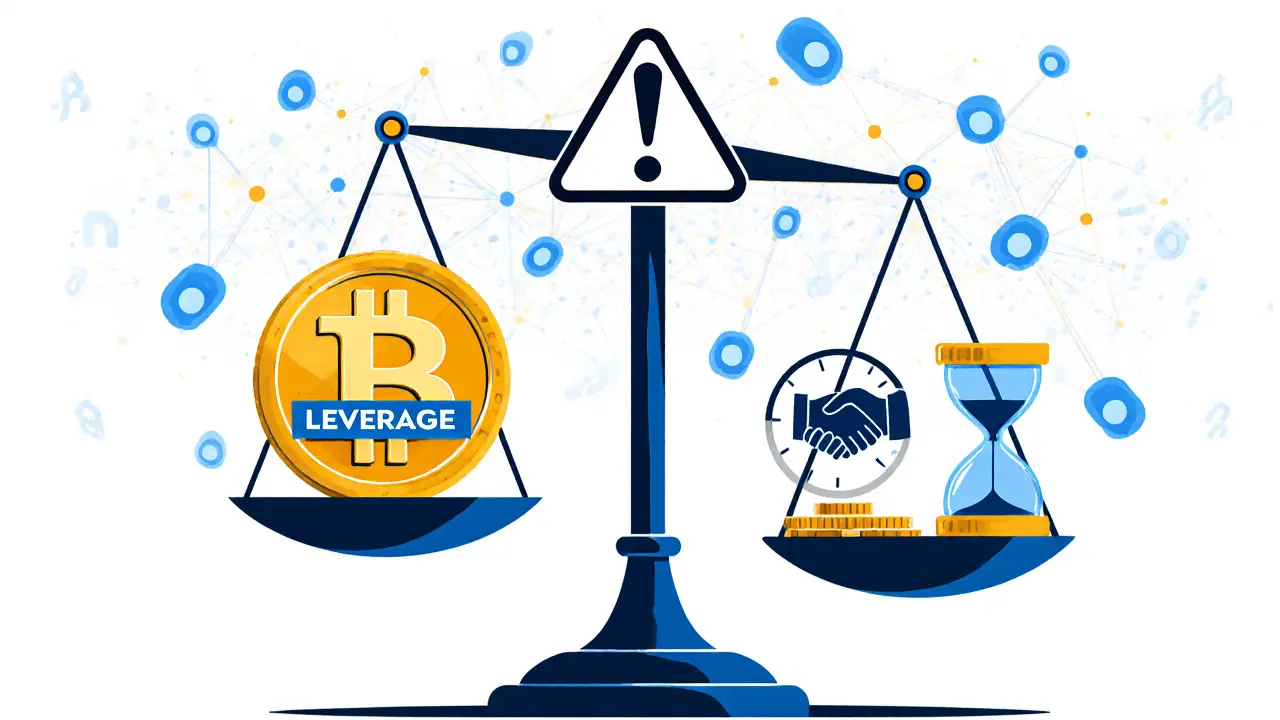

Managing leverage effectively means using borrowed capital, automation, and strategic strengths to amplify results-without risking everything. Learn how blockchain projects, traders, and founders can use leverage safely and sustainably.