Quantum-Resistant Cryptography: What It Is and Why It Matters for Crypto
When we talk about quantum-resistant cryptography, a set of cryptographic algorithms designed to stay secure even if quantum computers become powerful enough to break today’s encryption. Also known as post-quantum cryptography, it’s not science fiction—it’s the urgent upgrade blockchain networks need before quantum machines can crack Bitcoin, Ethereum, and every wallet in between. Right now, most crypto relies on RSA and ECC algorithms, which work great today. But a large enough quantum computer could solve the math behind them in minutes, not millennia. That’s not a hypothetical. Google, IBM, and China’s quantum labs are already building machines that could do this within the next 10–15 years.
This isn’t just about Bitcoin. blockchain security, the foundation of trust in decentralized networks depends on digital signatures that prove you own your coins. If those signatures fall, so does your entire portfolio. cryptographic algorithms, the mathematical rules that keep data safe like NTRU, CRYSTALS-Kyber, and SPHINCS+ are being tested by NIST as replacements. These new systems are built on math that even quantum computers struggle with—like lattice problems and hash functions—so they won’t crack under quantum pressure. And it’s not just theoretical: projects like QANplatform and Algorand are already integrating these algorithms into their chains.
Meanwhile, the threat is real. North Korean hackers have stolen over $3 billion in crypto using advanced techniques. Imagine what they—or any state-level actor—could do with a quantum machine that bypasses encryption entirely. That’s why exchanges, wallets, and DeFi protocols are quietly preparing. Some are already testing hybrid systems that layer quantum-safe crypto on top of existing ones. Others are waiting for standards to lock in. But if you’re holding crypto today, you’re relying on a system that’s already outdated in the face of tomorrow’s tech.
What you’ll find below aren’t just articles about coins or scams. These are real-world stories about how crypto is adapting—or failing to adapt—to the coming quantum shift. From blockchain upgrades to failed protocols that ignored the threat, this collection shows you where the real risks lie, who’s building the defenses, and why waiting could cost you everything.
What Is Quantum-Resistant Cryptography and Why It Matters Now
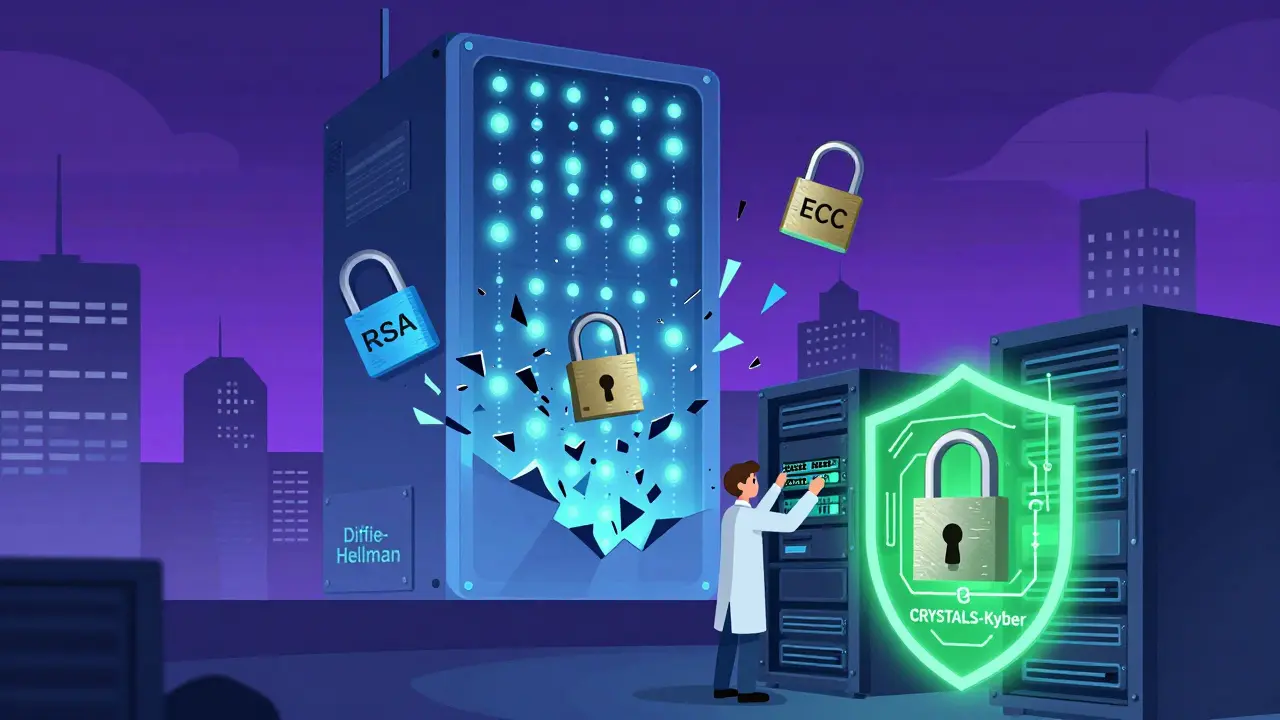

Quantum-resistant cryptography is the next generation of encryption designed to protect data from future quantum computer attacks. Learn how it works, why it matters now, and what you should do before 2030.