Lazarus Group: What It Is, How It Operates, and Why Crypto Users Should Care
When you hear about a crypto exchange getting hacked for hundreds of millions of dollars, chances are Lazarus Group, a state-sponsored cyberattack unit linked to North Korea that specializes in financial theft through digital means. Also known as APT38, it’s not some lone hacker in a basement—it’s a well-funded, highly organized operation with military-grade resources. This group doesn’t just break in and grab cash. They plan for months, study security systems, and often use fake identities to trick employees into giving them access. Their targets? Exchanges, wallets, DeFi protocols, and even crypto startups with weak internal controls.
What makes Lazarus Group different from other hackers is their patience and precision. They’ve hit platforms like Ronin Network, KuCoin, and Poly Network, stealing over $2 billion in total. They don’t just exploit code—they exploit people. Phishing emails, fake job offers, and even compromised customer support accounts are their favorite tools. And they’re not after small wins. They go for the big payouts, knowing that crypto’s irreversible nature makes recovery nearly impossible. This is why blockchain security, the practice of protecting digital assets from theft, fraud, and unauthorized access isn’t just a buzzword—it’s survival. If you’re holding crypto, especially on a centralized exchange, you’re already in their crosshairs. The crypto hacks, targeted cyberattacks aimed at stealing cryptocurrency from exchanges, wallets, or protocols they carry out are not random. They’re calculated, and they’re getting smarter.
You’ll find posts here that break down how these attacks happen, what exchanges got hit, and how users lost millions overnight. You’ll also see guides on how to protect yourself—using hardware wallets, avoiding suspicious airdrops, checking for exchange audits, and spotting red flags before it’s too late. These aren’t theoretical warnings. They’re lessons from real events. The Lazarus Group doesn’t care if you’re a beginner or a pro. If your funds aren’t locked down, they’ll find a way in. The only defense is knowledge, vigilance, and smart habits. What follows isn’t just a list of articles. It’s your field guide to staying safe in a world where hackers are always one step ahead.
How North Korea Funds WMD Programs with Stolen Cryptocurrency
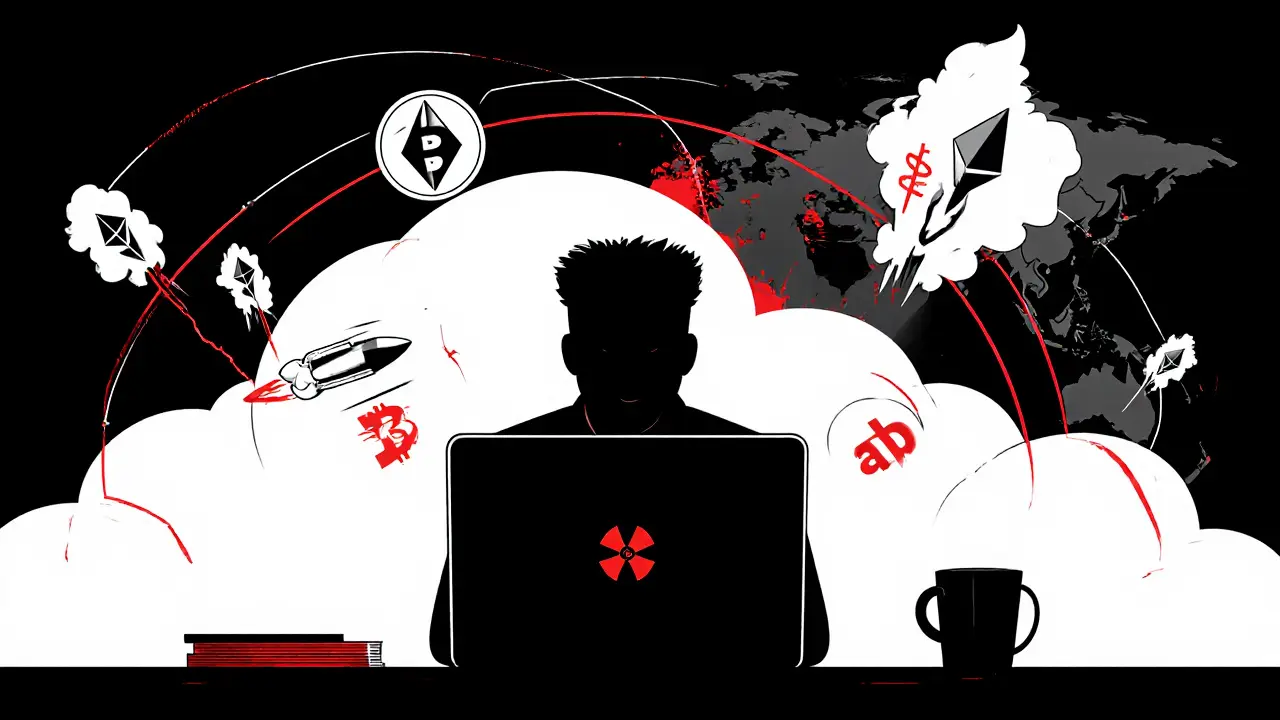

North Korea has stolen over $3 billion in cryptocurrency since 2017 to fund its nuclear and missile programs. State-sponsored hackers use social engineering, crypto mixers, and global networks to evade sanctions and bypass traditional financial controls.