Juicebox Token: What It Is, How It Works, and What You Need to Know
When you hear Juicebox token, a governance and utility token used on the Juicebox protocol to fund decentralized projects. Also known as JBX, it doesn't trade like a typical coin—it's the engine behind a system that lets communities raise money without middlemen. Unlike traditional fundraising, Juicebox lets anyone contribute ETH or other tokens to a project’s treasury, and in return, contributors get tokens tied to that project’s success. It’s not a platform for trading—it’s a toolkit for building.
The Juicebox DAO, a decentralized governance structure that controls the protocol’s upgrades and fee structure runs entirely on smart contracts. No team holds secret keys. No venture capitalist calls the shots. Instead, JBX holders vote on changes—like adjusting payout rules or adding new funding templates. This makes it different from platforms like Kickstarter or Patreon, where one person or company decides what gets funded. With Juicebox, the community owns the process.
Projects using Juicebox don’t just get money—they get transparency. Every dollar received, every token minted, every withdrawal is recorded on-chain. You can see exactly how much ETH went in, who contributed, and what’s being spent. That’s why indie devs, open-source creators, and crypto-native collectives use it. From NFT collections to decentralized research labs, if a project wants to prove it’s not a scam, Juicebox gives them the tools to do it.
But it’s not magic. The tokenomics, the economic design behind how JBX and project tokens are distributed, rewarded, and locked can get complex. Some projects lock funds for months. Others let contributors withdraw early. Some issue governance rights. Others don’t. You need to check each project’s funding page—not just assume it’s safe because it’s on Juicebox.
And while Juicebox doesn’t host a token exchange, many projects built on it later list their tokens on decentralized swaps like Uniswap or SushiSwap. That’s where the real price action happens. But the core value? It’s in the funding mechanism itself. If you’re backing a project, you’re not just buying a coin—you’re helping build something public, open, and permanent.
What you’ll find in the posts below aren’t hype pieces or price predictions. They’re real breakdowns of how Juicebox-powered projects actually operate, what went wrong for some, what worked for others, and how to tell the difference between a well-structured treasury and a ghost project with a fancy interface. No fluff. No promises. Just what’s on-chain and what’s real.
What is Juicebox (JBX) crypto coin? Understanding the failed DeFi funding platform
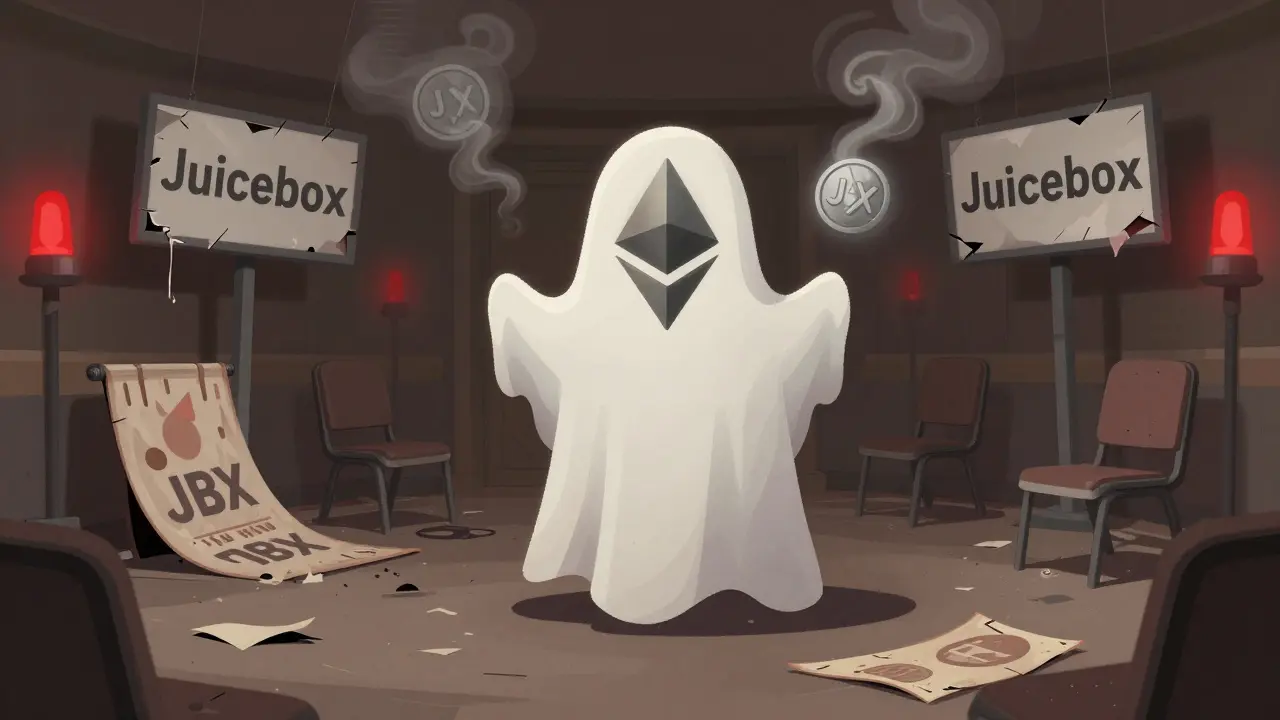

Juicebox (JBX) was meant to be a decentralized funding platform for Web3 projects, but it failed to gain traction. With a 98% price drop, only 348 holders, and zero active projects, it's now a cautionary tale in crypto.
Categories
Popular Articles