FTX Collapse: What Happened and How It Changed Crypto
When FTX collapse, the sudden failure of one of the world’s largest cryptocurrency exchanges in November 2022. Also known as the FTX bankruptcy, it wasn’t just a market dip—it was a systemic breakdown that exposed how little oversight existed in crypto’s biggest platforms. FTX wasn’t some sketchy startup. It had celebrity endorsements, a flashy headquarters, and billions in customer funds. Yet, behind the scenes, customer money was being funneled to Alameda Research, a trading firm owned by FTX’s founder, Sam Bankman-Fried. When withdrawals spiked and the truth came out, there wasn’t enough cash to pay users. The whole thing unraveled in days.
The Sam Bankman-Fried, the former CEO of FTX who was later convicted of fraud and money laundering. Also known as SBF, he once presented himself as a crypto philanthropist and policy influencer didn’t just mismanage funds—he lied about them. Audits were fake. Balance sheets were cooked. Even top employees didn’t know how the money was really being used. This wasn’t a technical glitch. It was a deliberate, long-term scam. And it wasn’t isolated. The crypto exchange failure, a pattern where centralized platforms lose or steal user funds due to poor governance or fraud. Also known as exchange insolvency, it’s happened before with Mt. Gox and more recently with Celsius and Voyager isn’t rare. FTX just made it bigger, louder, and harder to ignore.
After FTX, regulators finally started paying attention. The crypto regulation, government rules designed to protect users, prevent fraud, and ensure transparency in digital asset markets. Also known as digital asset oversight, it’s now moving faster than ever became a global priority. The U.S. SEC, the EU’s MiCA, and even countries like the UAE tightened rules on custody, audits, and disclosures. Exchanges that once bragged about being "unregulated" now scramble to prove they’re compliant. But here’s the thing: most platforms still don’t give you full access to your private keys. If you’re holding crypto on an exchange, you’re trusting someone else to keep it safe. And after FTX, you can’t afford to assume they will.
The FTX collapse didn’t kill crypto. It killed blind trust. What’s left are smarter users, tougher rules, and a much clearer line between real platforms and empty promises. Below, you’ll find real stories of exchange failures, security mistakes, and how to protect yourself before the next one hits.
FTX Turkey Crypto Exchange Review: What Happened and Why It Collapsed
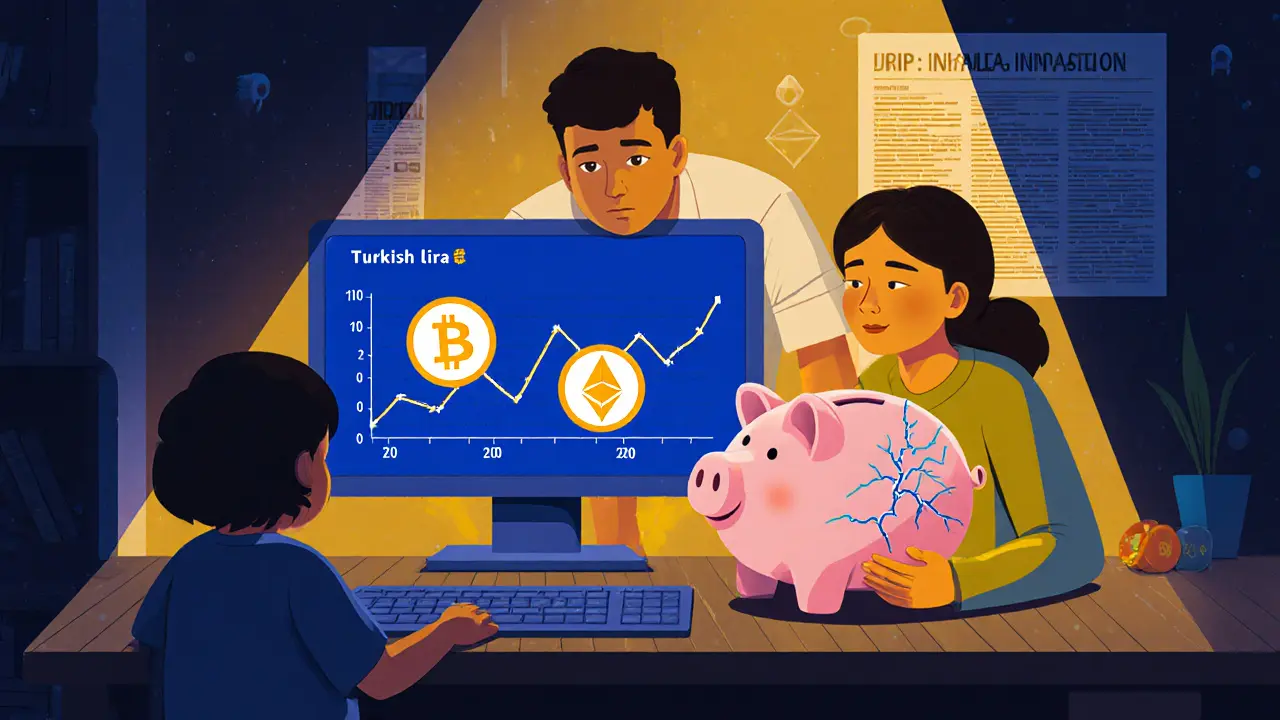

FTX Turkey collapsed in November 2022 after operating without a Turkish license. Learn why thousands lost their savings, how it compared to local exchanges, and what to avoid now.