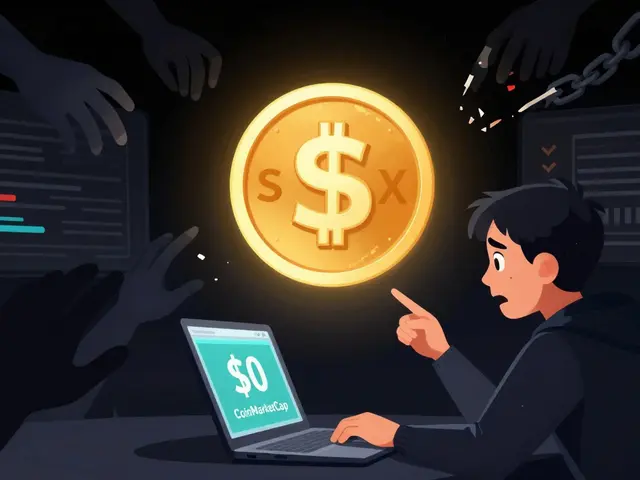
Fair Launch Crypto: What It Is, Why It Matters, and What to Watch For
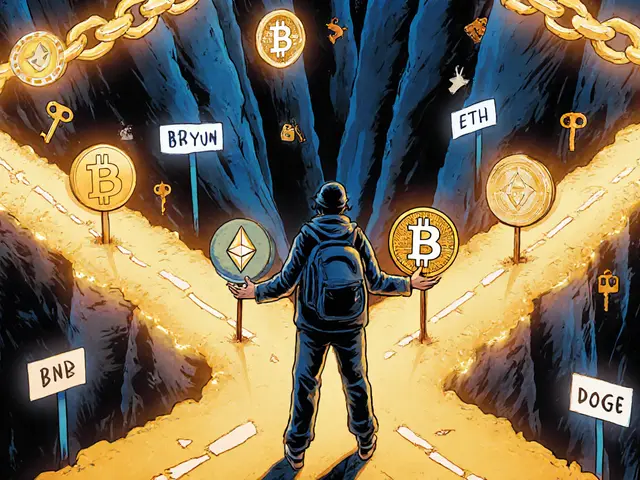
When you hear fair launch crypto, a token release where everyone gets equal access from day one, with no private sales, no venture capital dumps, and no team allocations locked away. Also known as initial decentralized offering, it’s the idea that crypto should start on level ground—no insiders, no pumps, just code and community. But in practice, very few ever pull it off.
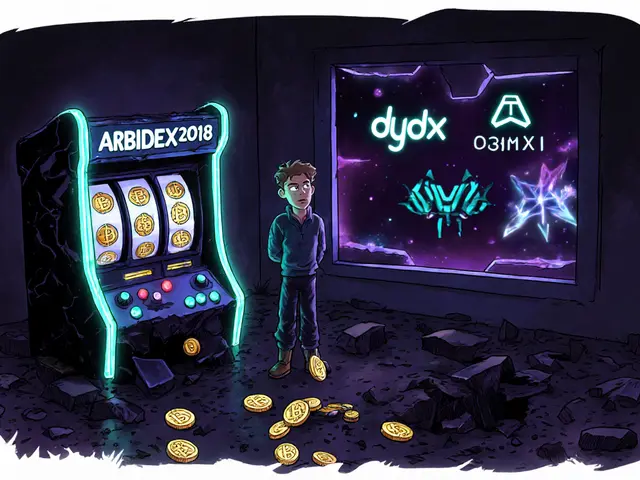
Most projects claiming to be fair launches still find ways to sneak in advantages—early whales, hidden team wallets, or rushed audits that miss backdoors. Real fair launches don’t just avoid pre-sales; they make sure no one has more power than anyone else. That means no team tokens, no marketing funds held in private keys, and no locked liquidity that can be pulled later. It’s rare because it’s hard to profit from. That’s why you’ll find so many dead tokens in this space—like Juicebox (JBX) or LifeTime (LFT)—that promised fairness but ended up abandoned, with 98% price drops and fewer than 400 holders. These aren’t accidents. They’re warnings.
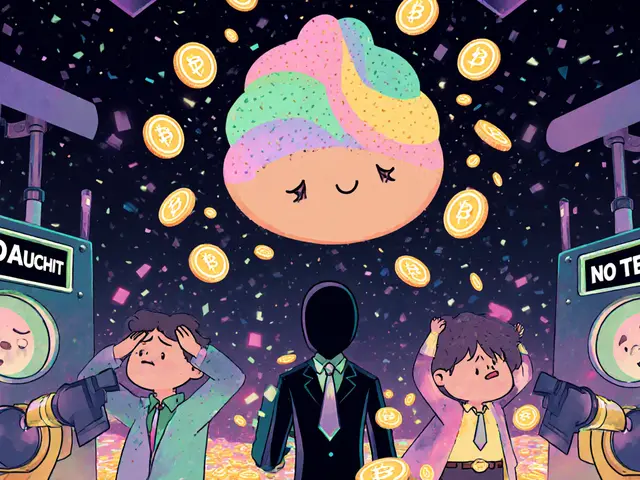
What makes a fair launch worth your attention isn’t just the launch model—it’s what comes after. Does the team vanish after the token goes live? Is there real utility, or is it just a trading pair on a low-volume DEX? Look at projects like Aerodrome Finance on Base Chain: they didn’t just launch fairly—they built something people actually use. Compare that to Libre Swap or MochiSwap, where there’s no team, no audits, and no reason to hold beyond speculation. Fair launch crypto isn’t about being the first to buy—it’s about being smart enough to walk away when the hype is all there is.
And then there’s the airdrop angle. Many fair launches use token distribution as a way to bootstrap community, not cash. The SXP Solar airdrop wasn’t free money—it was a way to seed users onto a new blockchain. The Multigame airdrop gave out $BUSD and NFTs, but only to people who already held specific assets. These aren’t giveaways. They’re filters. They reward participation, not luck. If someone’s handing out free tokens with no strings attached, they’re not building—they’re harvesting wallets.
The truth is, fair launch crypto isn’t a magic bullet. It’s a filter. It removes the worst actors—the ones who take your money before the code even runs. But it doesn’t guarantee success. That’s still on you: checking the team, reading the contract, watching the liquidity, and staying away from anything that smells like a pump. The projects that survive aren’t the ones with the loudest Twitter threads. They’re the ones with quiet, steady development, real users, and no hidden agendas.
Below, you’ll find real stories—not hype. From failed platforms to legitimate DeFi tools, from airdrops that delivered to scams that vanished overnight. Each one shows what fair launch crypto really looks like when you cut through the noise.
What is MetaDAO (old) (META) crypto coin? A clear breakdown of the Solana-based fair-launch protocol


MetaDAO (META) is a Solana-based protocol that uses market-based voting to enable fair token launches. It burned 979,000 tokens to prove its commitment to decentralization and now helps new projects launch without insider advantage.
Categories
Popular Articles