Bitcoin Decentralization: How It Works and Why It Matters
When you hear Bitcoin decentralization, the system where no single company, government, or person controls the network. Also known as peer-to-peer money, it’s the core idea that lets anyone send value without needing a bank. This isn’t just tech jargon—it’s what keeps Bitcoin alive even when governments try to shut it down or exchanges get hacked.
Decentralization means the network runs on thousands of computers around the world, not in one data center. Every transaction gets checked by miners and stored on every node. No one owns the ledger. No one can erase your transaction. That’s why Bitcoin survived the FTX collapse, the Binance ban in India, and the North Korean hacks. It doesn’t rely on trust—it relies on code and consensus. This is different from centralized systems like MochiSwap or Libre Swap, where one team controls everything and can disappear overnight.
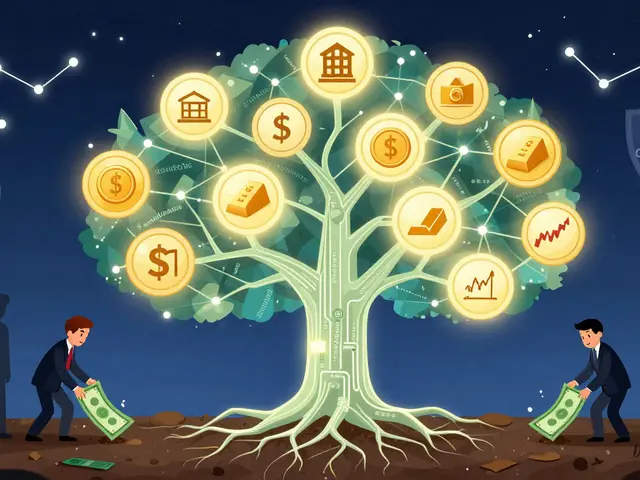
But decentralization isn’t perfect. Even Bitcoin has points of centralization: mining pools control most of the hash power, a few exchanges hold most of the coins, and developers can influence protocol upgrades. That’s why understanding blockchain decentralization, how control is spread across participants in a network matters. It’s not about being 100% distributed—it’s about making centralization expensive and hard to exploit. Compare that to cross-chain bridges, which are full of single points of failure, or governance tokens that give voting power to a handful of wallets. Bitcoin’s design forces everyone to play by the same rules, no matter who they are.
That’s why crypto governance, how decisions are made on a blockchain without central authority is so important. Bitcoin doesn’t have a CEO or a board. Changes need broad agreement from miners, developers, and users. That’s slow—but it’s also safe. You won’t find sudden flips like the LifeTime token vanishing or the KCAKE airdrop being a scam. Real decentralization means no one can pull the plug.
And that’s what makes Bitcoin’s model so powerful. It doesn’t need permission. It doesn’t need a license. It doesn’t care if you’re in India, Turkey, or a country under sanctions. All you need is a device and an internet connection. That’s why people in banking-restricted countries use it as a lifeline. That’s why it’s still the most trusted digital asset after 15 years.
Below, you’ll find real stories about what happens when decentralization breaks down—or when people try to fake it. From exchange collapses to stolen funds and abandoned tokens, these posts show why Bitcoin’s original design still matters more than ever.
How Bitcoin's Peer-to-Peer Network Operates
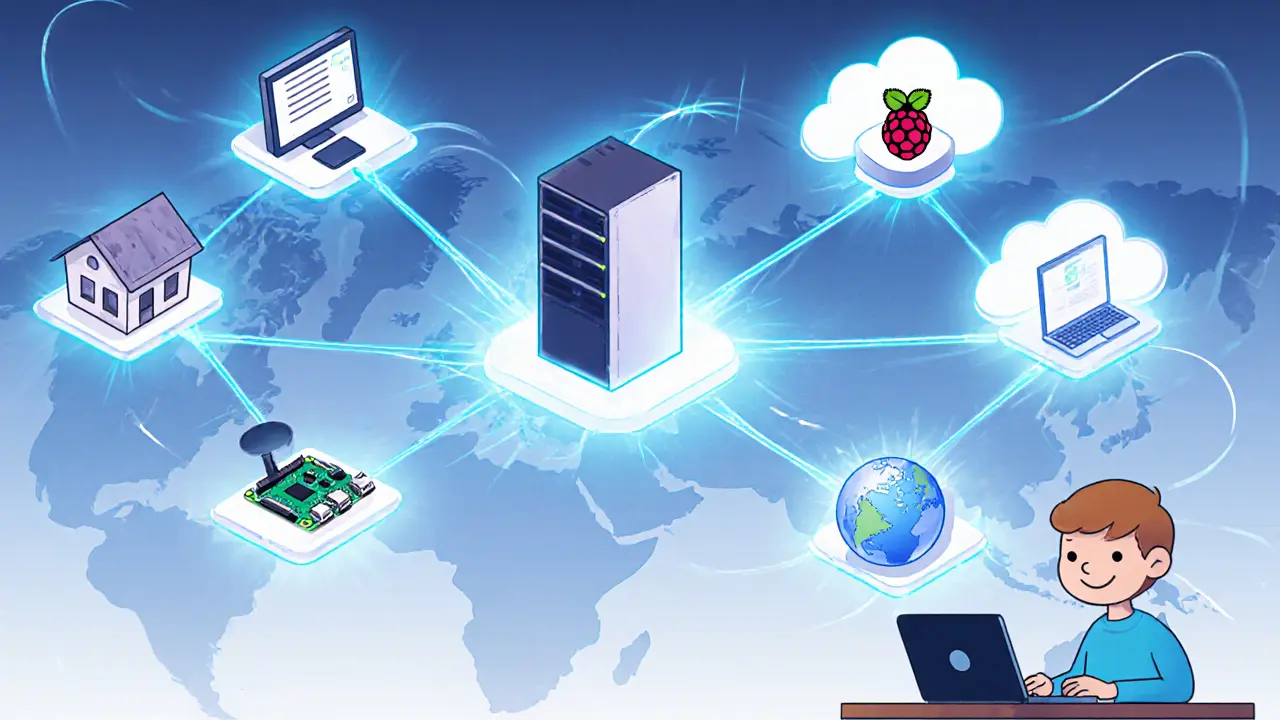

Bitcoin's peer-to-peer network operates without banks or central servers, using thousands of nodes worldwide to verify transactions and maintain the blockchain. This decentralized design ensures security, censorship resistance, and resilience against shutdowns.