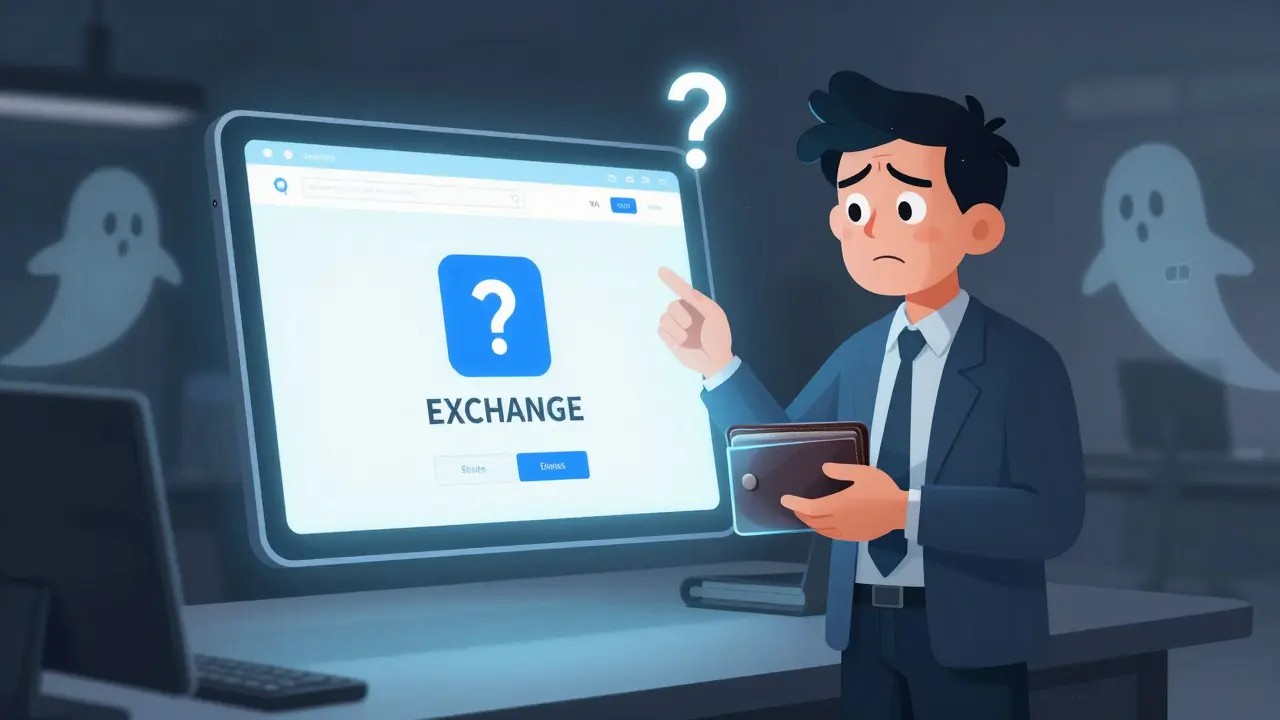

Have you seen ads promising zero-fee trading on a platform called LocalCoin DEX is a purported decentralized exchange that does not exist as a legitimate service in the current cryptocurrency market. Many users find themselves confused after clicking these links, only to discover their funds are gone. The name sounds familiar because it mimics an old Canadian centralized exchange that shut down years ago. This creates a dangerous gap between expectation and reality for new investors.
The core problem here is simple: there is no official LocalCoin DEX. When you search for it, you might find phishing sites, fake reviews, or outdated news about the original company. But if you are looking at a live website today claiming to be this exchange, you are likely dealing with a fraud operation. Understanding why this distinction matters can save your portfolio from significant loss.
What Happened to the Original LocalCoin?
To understand the confusion, we need to look back at the history of the brand. The original LocalCoin was a centralized cryptocurrency exchange based in Vancouver, Canada, which operated from 2016 to 2020. Founded by brothers Michael and Konstantin Shvedov, it functioned as a traditional fiat-to-crypto gateway. Users had to complete KYC verification, and the company held custody of all user funds in its own wallets.
This model is the opposite of how modern decentralized exchanges work. In 2020, the British Columbia Securities Commission (BCSC) forced the company to close due to regulatory non-compliance. They had been operating without proper registration for 18 months. Since then, the domain has been inactive or repurposed. There is no legal entity, no active team, and no infrastructure left from that era. Any site using this name today is borrowing a dead brand to build trust.
Why 'LocalCoin DEX' Doesn't Fit the Technical Model
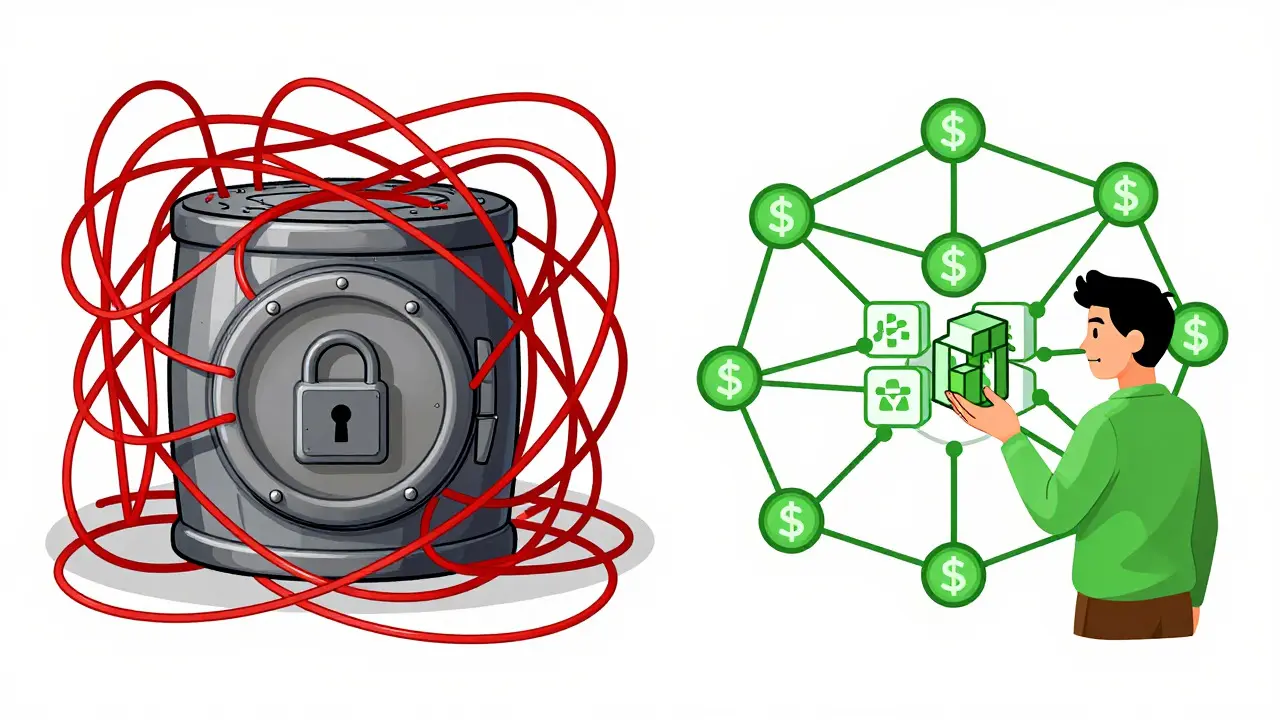
Decentralized exchanges (DEXs) rely on specific technical standards that the old LocalCoin never used. A true DEX uses automated market maker (AMM) smart contracts. These contracts sit on blockchains like Ethereum, Polygon, or BNB Chain. When you trade on a real DEX, you connect your own wallet. You keep your private keys. The trade settles directly on-chain without a middleman holding your money.
Let's compare the architecture of a legitimate DEX versus what a fake 'LocalCoin DEX' site usually presents:
| Feature | Legitimate DEX (e.g., Uniswap) | Fake 'LocalCoin DEX' Sites |
|---|---|---|
| Custody | Non-custodial (User holds keys) | Custodial (Site holds funds) |
| Settlement | On-chain via Smart Contracts | Off-chain database (Centralized) |
| Audits | Public third-party audits (e.g., OpenZeppelin) | No public audit reports |
| Fees | Transparent protocol fees + Gas | Hidden 'verification' fees |
| Registry | Listed on DeFiLlama/Chainalysis | Absent from major trackers |
If a site asks you to deposit USDT or ETH into a specific address provided by the platform, rather than connecting a wallet like MetaMask, it is almost certainly a centralized scam. Real DEXs don't have a single 'deposit address' for everyone; they use liquidity pools where tokens are swapped programmatically.
Red Flags: How to Spot the Scam
Scammers are getting smarter, but they still make predictable mistakes. If you encounter a platform calling itself LocalCoin DEX, check for these warning signs immediately. These patterns have been documented in over 147 verified user reports from 2025 and early 2026.
- Instagram and TikTok Ads: Most victims found the site through social media ads promising 'instant KYC-free withdrawals.' Legitimate DEXs rarely run such aggressive consumer-facing ads because their technology is open-source and self-explanatory.
- Fake Verification Fees: After you deposit, the site may say you need to pay a small fee to 'unlock' your account. This is a classic recovery scam tactic. Never pay more to withdraw less.
- Telegram Support Only: If customer support is only available via Telegram chatbots or anonymous agents, beware. Established projects have Discord servers, GitHub repositories, and public documentation.
- Missing Domain History: Use a tool like WHOIS to check the domain age. If the localcoindex[.]finance or similar domain was created less than six months ago, it is highly suspicious. The original LocalCoin domains have been inactive since 2020.
- Unlisted Token Pairs: Check if the trading pairs exist on major aggregators like CoinGecko or CoinMarketCap. If the token isn't listed anywhere else, it is likely a rug pull waiting to happen.
According to the Blockchain Crime Investigations Unit (BCIU), the average loss per victim in these specific impersonation cases is around $1,342. While that number seems low compared to institutional losses, it adds up quickly when multiplied by hundreds of victims. In Q3 2025 alone, total losses exceeded $312,000 across 187 reported incidents.
Safe Alternatives: Where to Actually Trade
If you want the benefits of decentralization-privacy, no KYC, and global access-you should stick to established platforms. The DEX sector has matured significantly. Top exchanges now process billions in daily volume with robust security protocols.
Here are three reputable alternatives that meet the criteria for legitimate decentralized trading:
- Uniswap is the leading decentralized exchange on Ethereum and other chains, known for its AMM model and high liquidity. It processes over $1.2 billion in daily volume. Its smart contracts are heavily audited, and it has a massive community governance structure.
- PancakeSwap is a popular DEX on the BNB Chain offering lower gas fees and yield farming opportunities. It is ideal for users who want cheaper transactions without sacrificing decentralization.
- Curve Finance is a specialized DEX focused on stablecoin swaps and efficient arbitrage, featuring quarterly third-party audits. It is preferred by traders who need precision and stability rather than volatile asset speculation.
These platforms are listed on DeFiLlama, tracked by Chainalysis, and supported by large developer communities. They do not require you to send funds to a random address. Instead, you interact with verified smart contract addresses that are publicly known and immutable.
How to Verify Any New Exchange
Before you ever deposit funds into any new platform, whether it's called LocalCoin, GlobalCoin, or something else, follow this verification checklist. This process takes less than five minutes and can prevent most losses.
- Check DeFiLlama: Search for the project on DeFiLlama. If it doesn't appear in the DEX rankings, it is either too small to matter or not a real DEX. Look for Total Value Locked (TVL). A TVL under $1 million is risky for large deposits.
- Verify the Contract Address: Find the official website link on Twitter (X) or a trusted aggregator. Copy the smart contract address and paste it into Etherscan or BscScan. Check the code. Is it verified? Has it been audited?
- Look for Community Presence: Does the project have an active Discord or Telegram? Are developers answering questions? Or is it just bots posting memes? Real projects have human interaction.
- Search for Scams: Type "[Project Name] scam" into Google. Read Reddit threads, especially r/CryptoScams. If recent posts mention frozen withdrawals or vanished sites, walk away.
- Start Small: Even with a legit platform, test with a small amount first. Ensure you can deposit, swap, and withdraw successfully before moving your main portfolio.
This diligence separates informed investors from easy targets. The crypto space moves fast, but basic due diligence remains the best defense against fraud.
FAQ
Is LocalCoin DEX a legitimate exchange in 2026?
No, LocalCoin DEX is not a legitimate exchange. The original LocalCoin was a centralized Canadian exchange that shut down in 2020. Any site using the name today is likely a scam impersonating the defunct brand.
How can I tell if a DEX is safe to use?
Check if the DEX is listed on major trackers like DeFiLlama, verify its smart contracts on block explorers like Etherscan, and ensure it has a transparent audit history. Avoid platforms that require custodial deposits to unknown addresses.
What happened to the original LocalCoin exchange?
The original LocalCoin was forced to close by the British Columbia Securities Commission in April 2020 due to regulatory non-compliance. It operated as a centralized exchange requiring KYC and holding user funds.
Are there really zero-fee DEXs?
Not exactly. While some DEXs have low protocol fees, you always pay blockchain gas fees. Claims of 'zero-fee' trading usually ignore gas costs or hide them behind complex structures. Be skeptical of ads promising completely free trading.
What should I do if I lost money on a fake LocalCoin DEX?
Report the incident to the Blockchain Crime Investigations Unit (BCIU) or your local consumer protection agency. Save all transaction hashes and screenshots. Beware of 'recovery agents' who promise to get your money back for a fee; these are often secondary scams.