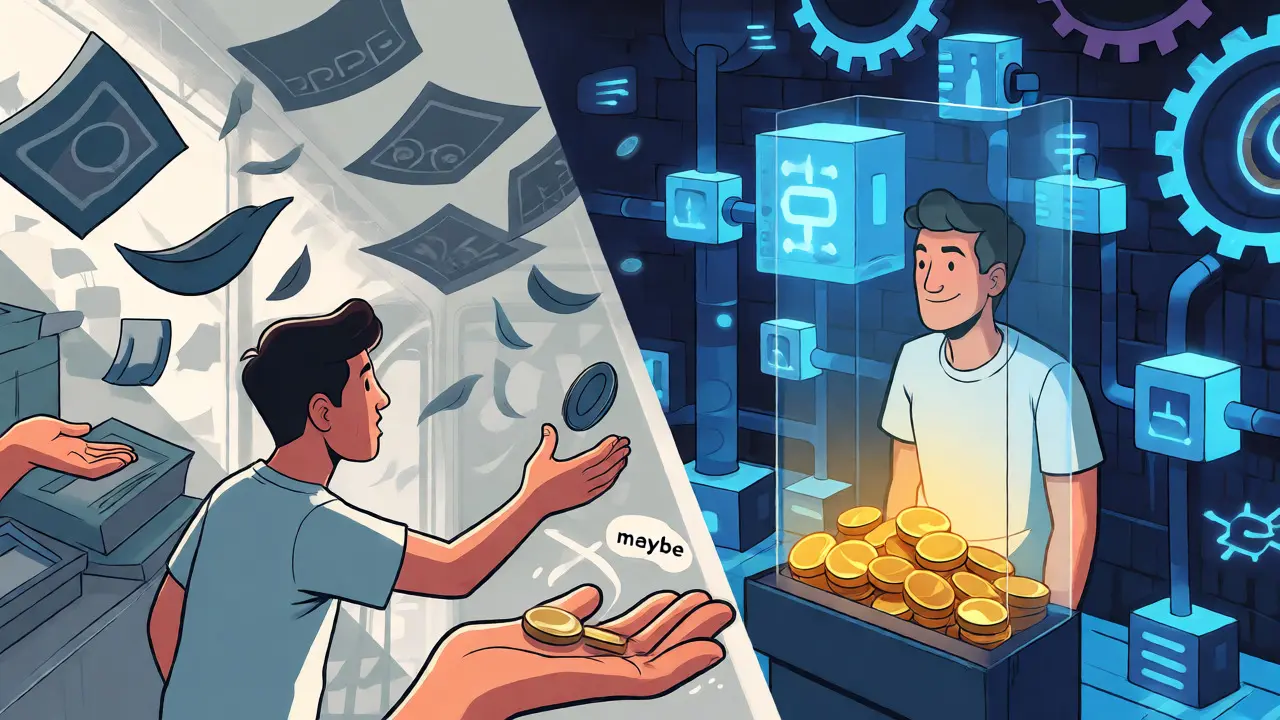

You minted a collection. It sold out instantly. You pocketed the initial proceeds and thought you were set for life. But then the floor price tripled, your art started flipping like hotcakes on secondary markets, and you saw zero dollars from those massive resales. Sound familiar? This is the broken promise that has plagued NFT creator royalties since their inception. For years, the concept was simple: creators get a cut every time their work changes hands. In practice, it was often ignored, waived, or lost in the shuffle of high-frequency trading. As we move through 2026, the landscape is shifting dramatically. The era of voluntary compliance is ending, replaced by hard-coded enforcement and new economic models that actually pay the artists.
The End of Voluntary Compliance
Remember when OpenSea tried to make royalties optional? That experiment failed spectacularly because it pitted buyer savings against creator survival. By 2026, the industry learned its lesson. We are seeing a decisive move toward protocol-level enforcement. Data shows that over 80% of newly minted collections now deploy smart contracts with enforced royalty parameters baked directly into the transaction logic. This isn't just a polite request anymore; it's code that cannot be easily bypassed without breaking the trade itself.
Why does this matter? Because voluntary systems relied on goodwill, and goodwill doesn't scale with greed. When platforms like Blur introduced optional royalty waivers, they saw a 12% spike in trading volume. Sounds great, right? Except creators took an average 18% hit on revenue. That trade-off is no longer acceptable to top-tier projects. Marketplaces enforcing royalties at the protocol level are now reporting up to 18% higher long-term creator revenue compared to those relying on optional models. If you're a creator choosing where to launch your next drop, look for platforms that treat royalties as mandatory infrastructure, not an optional add-on.
Who Is Actually Getting Paid?
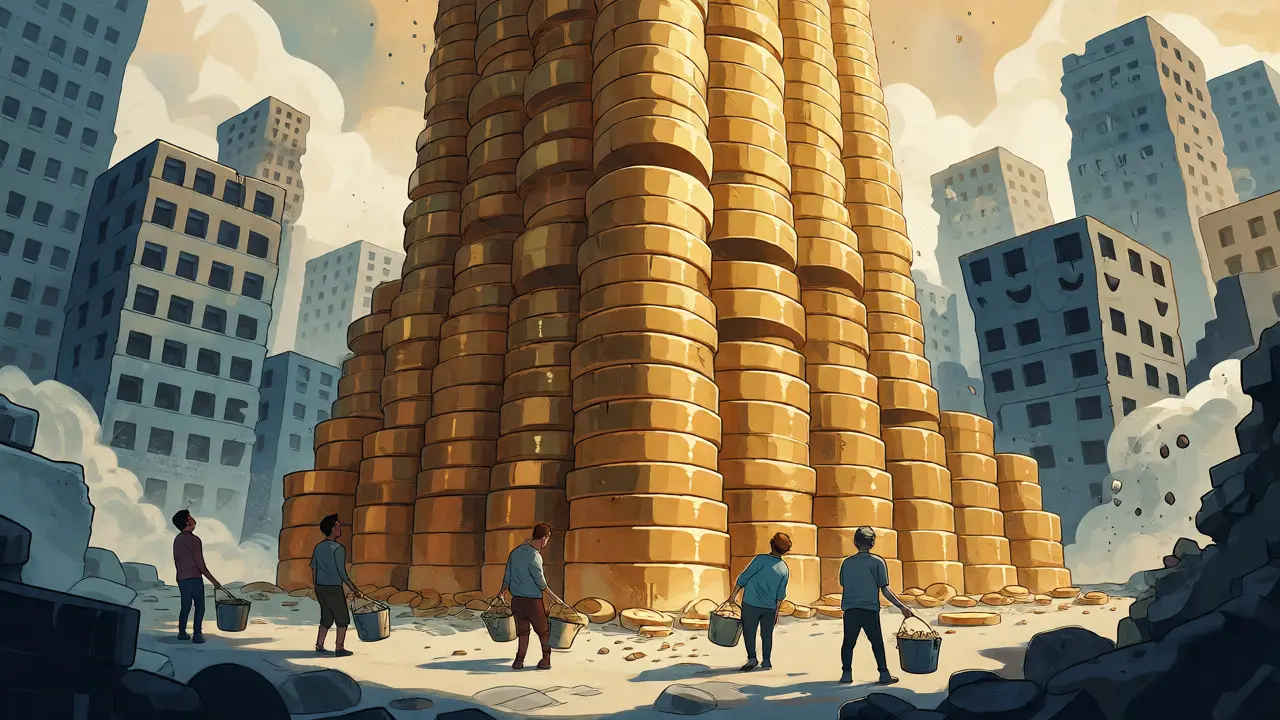
Let's look at the numbers, because they tell a story of concentration. Ethereum-based creators earned over $920 million in royalties in 2025 alone. Cumulative payouts have crossed the $1.8 billion mark. But here’s the kicker: just 428 collections accounted for 80% of all those earnings. The NFT royalty market is winner-take-most. If you aren't in the top tier, you need to understand why the middle class of NFTs is struggling to capture value.
The average royalty fee has stabilized around 6.1% of resale value, though many flagship projects still hold firm at the traditional 5-10% range. However, enforcement remains imperfect. Despite smart contract specifications, only about 60-70% of actual resale trades successfully funnel payments to the creator. Where do the missing 30% go? They leak out through cross-chain bridges, obscure marketplace listings, and complex swap mechanisms that bypass standard royalty checks. Higher-value tokens see better enforcement rates simply because there’s more scrutiny and liquidity depth. For smaller creators, this leakage is fatal unless you actively monitor on-chain data to catch missed payments.
| Metric | Enforced Royalties | Optional Royalties |
|---|---|---|
| Buyer Activity | Standard baseline | +12% increase |
| Creator Revenue Impact | Stable / +18% long-term | -18% average reduction |
| Marketplace Loyalty | High (Creator-centric) | Volatile (Trader-centric) |
| Smart Contract Complexity | Higher upfront cost | Lower barrier to entry |
Beyond Resale: The Rise of Usage-Based Royalties
If you think royalties are only about selling the same JPEG twice, you’re missing the biggest innovation of 2026. We are moving from static resale cuts to dynamic, usage-based revenue streams. This is particularly evident in the intersection of AI and music NFTs. Platforms now allow creators to embed micro-royalties that trigger every time an AI model uses a licensed track or remixes a visual asset.
Consider AI music NFTs. These assets include attribution metadata via smart contracts. Every time a user generates a derivative work using that base asset, a fraction of a cent flows back to the original creator. Smart contract execution rates for these specific assets surpass 98%, far outperforming traditional streaming distribution which is notorious for opaque accounting. Median prices for these AI-ready assets sit between $45 and $75, but rare licensed composites fetch upwards of $5,000. Why? Because provenance guarantees payment. Buyers aren't just buying art; they are buying a license that pays them back when others use it.
Tiered and Dynamic Models Are Replacing Flat Rates
The flat 5% royalty is becoming outdated. Sophisticated projects are adopting tiered structures where the royalty rate declines as the asset appreciates, or increases during high-volume spikes. A common model now sees a 5% initial royalty dropping to 3% after five resales. This incentivizes early adoption while protecting long-term holder margins.
Dynamic royalty models take this further. Some protocols adjust the percentage in real-time based on market conditions. If trading volume surges, the royalty might temporarily increase to capture excess speculative profit, returning to normal levels when the market cools. Projects utilizing these dynamic splits report up to 40% higher creator revenue compared to fixed-rate peers. Furthermore, multi-party collaborations are easier to manage. Co-creator royalty splits-where a designer, coder, and marketer each get a slice-are now standard, increasing collaborative earnings efficiency by up to 30%. If you are part of a team, ensure your smart contract supports granular splitting; otherwise, you’ll spend hours manually reconciling payouts.

The Music Industry’s Blockchain Pivot
Music is arguably the sector most desperate for royalty reform, and NFTs are delivering. Artists can tokenize songs or albums, embedding royalty distribution directly into the token’s DNA. Platforms like Royal.io enable fans to buy a stake in a song’s streaming performance, earning ongoing revenue rather than a one-time purchase discount. This shifts power from labels to artists and their core audience.
Industry analysts predict that up to 40% of music monetization will shift toward blockchain-based models within the next few years. This isn't speculation; it's driven by transparency. Traditional streaming hides millions of dollars in black-box royalties. Blockchain makes every stream, save, and share visible and payable. For musicians, this means predictable income. For investors, it means a tangible asset backed by real-world cash flow. If you’re a musician, don’t just sell merch; tokenize your catalog and let the fans fund your next tour in exchange for a piece of the future pie.
Strategic Takeaways for Creators in 2026
So, how do you navigate this new reality? First, stop treating royalties as an afterthought. Your smart contract is your business partner; make sure it works. Choose marketplaces that enforce payments at the protocol level. Rarible and SuperRare have built their reputations on honoring these commitments, offering dashboards that show exactly what you’ve earned and what’s pending.
Second, diversify your revenue sources. Don’t rely solely on secondary sales. Integrate utility that triggers usage-based fees. If you’re an artist, create assets that can be remixed or used in games, and charge for that permission. Third, watch the liquidity trap. Economic research shows that higher royalty rates can reduce resale probability by nearly 5%. There is a sweet spot. Pushing royalties too high scares off flippers, killing the volume needed to generate significant absolute dollars. Aim for sustainable rates that keep traders active.
Finally, demand transparency. Use tools that track on-chain royalty flows. If a marketplace consistently under-pays, vote with your feet. The market is recovering, projected to hit $45 billion by the end of 2026, but this growth favors those who protect their residual income. The wild west days are over. The future belongs to creators who treat their royalties as enforceable legal rights, not charitable donations from buyers.
Are NFT royalties legally enforceable outside the blockchain?
Currently, most NFT royalties are enforced technically via smart contracts rather than legally via copyright law. While some jurisdictions are beginning to recognize digital asset ownership rights, primary enforcement relies on marketplace integration and code. If a marketplace bypasses the royalty logic, creators often lack immediate legal recourse, making platform choice critical.
Why do some buyers refuse to pay royalties?
Buyers often view royalties as a hidden tax that reduces their potential profit margin, especially in short-term flipping strategies. On platforms with optional royalties, traders may waive the fee to secure a faster sale or lower entry price. This creates tension between long-term creator sustainability and short-term trader liquidity preferences.
How do tiered royalty models benefit creators?
Tiered models balance incentives. A higher initial royalty captures value from early speculators, while a lower subsequent rate encourages holding and community building. This prevents the "death spiral" where high fees discourage trading, ensuring steady, albeit smaller, income streams over the asset's lifetime.
What is the difference between enforced and optional royalties?
Enforced royalties are coded into the smart contract or marketplace protocol, making payment mandatory for a successful transaction. Optional royalties allow the buyer to choose whether to pay the creator, often resulting in lower overall compensation for the artist but potentially higher trading volume due to reduced friction.
Can I change my royalty percentage after minting?
It depends on the smart contract architecture. Many modern standards allow creators to update royalty settings post-mint, with changes recorded on the blockchain. However, older contracts may have fixed rates. Always check if your project's contract includes an "updatable royalty" function before launching.
Categories
Popular Articles