
Cold Storage Inheritance: How to Secure Your Crypto Legacy
The Reality Check: Experts estimate that up to 4 million Bitcoin-worth over $100 billion at current valuations-are permanently lost because their owners died without passing on the private keys. This isn't just about wealthy early adopters anymore; as we move through 2026, the average crypto holder manages significant portfolios stored offline. If you own a hardware wallet but haven't planned for your death, your assets aren't just inaccessible; they are likely destroyed.
We live in a world where financial security and accessibility are locked in a tug-of-war. On one side, you have cold storage devices like Ledger or Trezor, designed to keep thieves out. On the other side, you have family members who need to access funds to settle debts or inherit wealth. Bridging this gap requires a strategy that balances cryptographic security with legal practicality. This guide cuts through the noise to give you a concrete framework for Cold Storage InheritanceA structured process for transferring offline cryptocurrency assets to beneficiaries after the owner's death.
Why Traditional Estate Planning Fails for Crypto
Your typical lawyer knows how to handle a house or a stock portfolio. They know how to list accounts in a Last Will and Testament. However, when it comes to Cryptocurrency, standard approaches often create vulnerabilities that defeat the purpose of holding digital assets.
Consider the standard advice many receive: write down your recovery phrase and hide it in your safe deposit box. In a perfect world, your executor finds this document six months after your passing. But the reality of probate courts is messy. In some jurisdictions, opening a safe deposit box requires court appointment letters that take weeks to secure. In volatile markets, a two-week delay could mean a 20% swing in value for your heirs.
Worse yet, traditional wills are public documents. Once filed with the probate court, anyone can look at them. If you list your wallet address or specific account details in a will that becomes public record, you have essentially published your security risk. You are broadcasting exactly where the money is to potential attackers.
Then there is the issue of knowledge. An executor who understands how to transfer real estate may not understand what a seed phrase is. If they accidentally type the wrong letter, or if someone sees them typing the passphrase into a computer connected to the internet, the funds could be drained instantly. This disconnect between physical law and digital protocol is the primary reason billions of dollars sit in digital graves.
Understanding the Mechanics of Cold Storage Risks
To fix the problem, you need to understand the tool. A Hardware Wallet operates differently than a bank account. It relies on asymmetric cryptography. You have a public key (like your bank account number) and a private key (like your password).
- Public Address: Can be shared openly. People send crypto here.
- Private Key: Must never leave the device. Signing transactions happens inside the hardware.
- Seed Phrase: A series of 12 to 24 words that generates your private keys. Possession of these words equals possession of the funds.
The core risk in inheritance is that unlike a house deed, which is updated in a county database upon ownership change, a blockchain transaction is final. There is no "forgot password" button. If the seed phrase is lost, the funds are mathematically gone forever. If the seed phrase is found by the wrong person, the funds are stolen.
In 2026, regulators in places like the United States generally classify crypto as property, similar to tangible assets like jewelry or cash. However, the intangible nature of the asset means it doesn't always follow the same laws as physical goods. Some states treat the device itself as personal property, while others view the data stored on the chip as distinct digital assets. This ambiguity is why simply listing "my Ledger Nano X" in a will is insufficient. You need to manage the credentials associated with that device separately from the device itself.
Modern Solutions for Digital Legacy
As the technology matures, we are moving away from "paper copies" toward systems that automate access. The goal is to minimize human error while ensuring authorized access only happens when conditions are met.
Option 1: Shamir Secret Sharing (Multisig)
One common method for advanced users involves splitting the seed phrase into multiple parts using a mathematical concept called Shamir Secret Sharing. If you split your key into 3 parts, you might require 2 to reconstruct it.
You can give one part to a trusted friend, another to a lawyer, and keep the third yourself. When you pass away, the surviving holders combine their shares to restore your wallet. This works well for tech-savvy families but introduces a coordination nightmare. What if the "trusted friend" moves overseas? What if the lawyer retires or loses the USB drive containing the share?
Option 2: Automated Digital Vaults
This is where dedicated inheritance platforms enter the picture. Unlike physical safes, these platforms allow you to store encrypted data files-seed phrases, password lists, even video instructions-and set specific conditions for release.
Taking Vaulternal as an example of modern architecture, these tools utilize decentralized storage protocols rather than relying on a single cloud provider. Instead of trusting a company to watch your back, the system trusts code. Files are encrypted client-side using Zero-Knowledge Encryption. This means the platform hosting the vault cannot see the contents of your files. Only you hold the decryption keys.
The critical innovation here is the trigger mechanism. In the past, you had to manually tell someone "I'm dead." Modern tools use "Dead Man's Switches" combined with Oracle logic. For instance, a system might monitor your online activity. If you stop logging in, stop making transactions on the blockchain, or fail to confirm a life-status check-in within a set period (e.g., 90 days), the system automatically releases the decryption keys to your designated beneficiaries.
This removes the bottleneck of waiting for a probate court. Heirs receive the notification immediately upon trigger activation, allowing them to react quickly to market movements. Platforms like [Vaulternal](https://vaulternal.com) implement this by anchoring metadata on public blockchains like Polygon, creating an immutable audit trail that proves the vault was active and the release conditions were valid.
Comparison: Physical Safes vs. Encrypted Vaults
| Method | Security Level | Heir Access Speed | Cost |
|---|---|---|---|
| Paper Copy in Safe | High (Physical) | Slow (Probate dependent) | $0 (Safe rental fees apply) |
| Email Attachment | Low (Hacked easily) | Moderate | $0 |
| Dedicated Inheritance Platform | Very High (Encrypted) | Fast (Automated Triggers) | Subscription Fee |
Integrating Legacy Tools with Legal Documents
Technology helps, but the law still governs the transfer of ownership. You need to harmonize your digital setup with your paper will. Do not put your passwords in the will. Instead, include a directive.
A strong clause for your estate plan should read something like this:
"My Executor shall access my digital legacy instructions located at [Platform Name] under user ID [ID]. The Executor is granted full authority to recover funds and pay debts owed by the estate using these assets, provided they adhere to the security protocols established therein."
This gives the Executor legal standing to perform actions on the blockchain. Without this line, an Executor in Colorado might face liability concerns if they decide to interact with your crypto, fearing they are breaking banking or privacy laws. By explicitly granting permission in your will, you provide them with protection.
Additionally, consider designating a "Crypto Co-Executor." Just because someone is your heir doesn't mean they know how to handle a seed phrase. Designate a technologically competent friend or professional to assist with the technical execution of the transfer. This role ensures the transfer of private keys remains confidential until the transaction settles on-chain.
Choosing the Right Storage for Long-Term Persistence
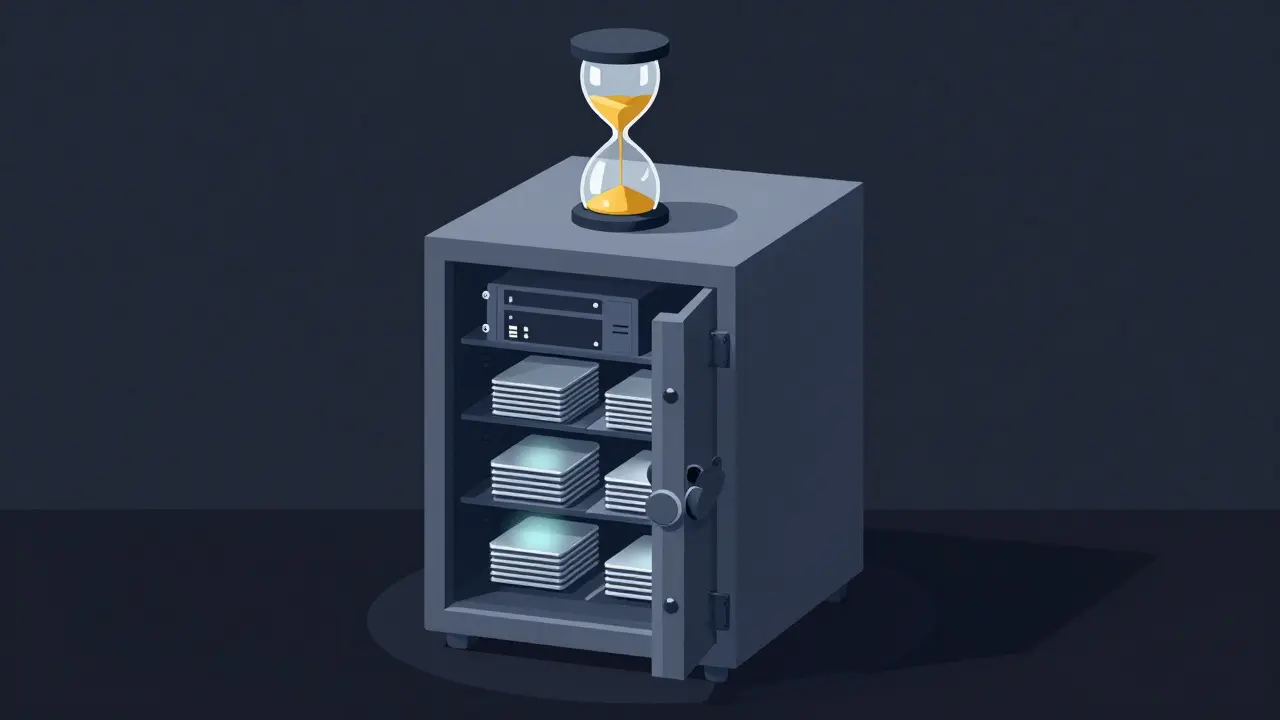
When selecting a tool for your legacy, permanence matters. We are talking about decades-long horizons. A service hosted on a central server has a business lifecycle. If the company folds in 2028, what happens to your files?
Solutions utilizing decentralized storage networks offer higher redundancy. For example, storing the encrypted vault metadata on Arweave provides a theoretical persistence of over 200 years. Unlike temporary storage clouds that delete inactive accounts, permanent storage layers preserve the data regardless of whether the original user maintains an active subscription.
However, encryption is only as good as the algorithm used. Industry-standard secp256k1-ECIES is the gold standard for Ethereum-compatible keys, ensuring compatibility with your existing wallets. Always verify that the platform uses end-to-end encryption where they do not possess your master key. If the provider holds the key, it is not truly non-custodial, and your privacy is compromised.
Be cautious of competitors that claim high security but require proprietary hardware. While hardware adds friction against remote hacking, losing the proprietary device can lock you out entirely. Pure software solutions that rely on math (Shamir sharing) and distributed storage often prove more resilient in edge cases involving loss of hardware.

A Practical Step-by-Step Guide
Don't wait until tomorrow. Here is your checklist to secure your legacy before the next market cycle hits.
- Inventory Your Assets: List every coin, token, NFT, and wallet address. Note which device holds which asset. Remember, different wallets have different recovery seeds.
- Select a Solution: Decide between physical backups (metal plates in a safety deposit box) and digital inheritance services (like Vaulternal). Ideally, use both for redundancy.
- Prepare the Vault: Upload your seed phrase and important docs to your chosen platform. Test the upload by downloading the file locally to ensure it hasn't corrupted.
- Set Triggers: Configure the life-detection settings. If using an automated system, set a reasonable grace period (e.g., 30 days of no login) to avoid accidental triggers.
- Update Your Will: Add the clause referencing the location of your digital instruction.
- Inform a Trusted Person: Tell someone that a plan exists. They need to know to go find the instructions, not necessarily where the money is right now.
- Annual Audit: Set a calendar reminder to check your inheritance plan once a year. Did you buy a new wallet? Did you update your email? Did the platform change its terms?
Common Pitfalls to Avoid
Even with a plan, mistakes happen. Watch out for these specific errors that derail inheritance processes.
The Email Mistake: Never email your seed phrase directly to your executor. Emails get hacked, phishing campaigns mimic legitimate emails, and email providers scan attachments. Always use a tool where the recipient has to authenticate via their own signature or a separate secure channel.
Assuming Deceased Accounts Stay Open: Many crypto exchanges require Proof of Life to continue service. If you leave significant funds on an exchange (centralized hot storage), they may freeze the account upon detecting suspicious activity or reporting of death. Always move cold storage assets to self-custody before relying on inheritance mechanisms for centralized accounts.
Ignoring Tax Implications: Inherited crypto is tax-free in the U.S., but selling it is taxable. Your heirs need guidance on step-up in basis rules to report capital gains correctly. Leave them instructions on how to calculate the cost basis using the date of death valuation.
Frequently Asked Questions
Can I write my seed phrase directly in my Last Will and Testament?
Absolutely not. Wills become public records during probate. Writing your seed phrase in a will exposes your funds to theft by anyone who accesses the court file. Instead, reference the existence of the vault in the will, but keep the actual credentials in a secure, encrypted container.
What happens if my inheritance service goes out of business?
This depends on the architecture. If the data is stored on decentralized networks like Arweave or IPFS, the data persists even if the company disappears. Tools like Vaulternal anchor metadata on public blockchains, meaning the contract remains valid even if the interface changes, provided the underlying smart contract standards are maintained.
Do I need to pay recurring fees to keep my crypto safe for heirs?
If using a paid service for automated triggers, yes. Most platforms offer free tiers for basic storage but charge for complex conditional logic. Consider this an insurance premium. The alternative is having $0 left in the wallet because the key couldn't be accessed.
Is it safe to split my seed phrase between family members?
Splitting creates logistical risks. If you rely on three cousins to meet and combine parts of a key, and one dies before the event or refuses to participate, the remaining heirs are stuck. Automated threshold systems are safer than relying on human cooperation years later.
How long does it take for heirs to access the funds?
With a robust digital inheritance tool, access can happen within hours or days depending on the trigger configuration. With traditional probate and physical documents, it often takes months. Time is money in crypto markets, so automation is highly recommended.
Securing your digital assets isn't just about keeping hackers out; it's about ensuring your intentions survive you. Whether you choose a simple metal plate in a safe or a sophisticated oracle-driven platform, the most critical step is doing something today rather than assuming it will happen magically. Your heirs deserve the chance to claim what is theirs without fighting through legal red tape or lost bits of information.
Comments (8)

- Tiffany Selchow
- March 31, 2026 AT 18:26 PM
It is funny how people worry about dead people losing crypto when they cant even manage living people taxes properly. The government just wants your seed phrase anyway so why bother planning. Most families fight over who gets the money instead of actually getting it. You can lock it in a vault but family betrayal happens faster than hackers do. Trust me i know because my uncle tried this stuff once. He hid keys in a bank box that no one could open until he died again. Then the court made a mess of everything while prices went down hard. Stop acting like this is smart financial advice when you live in a system designed to steal you blind. Just keep cash under your mattress where it belongs in real life.

- Cara Boyer
- April 1, 2026 AT 18:51 PM
The architecture proposed herein suggests a profound vulnerability to external surveillance mechanisms inherent in modern tech infrastructure 😢 We are being conditioned to accept automated death protocols without proper scrutiny of the underlying code integrity. My reseach indicates these vaults commmunicate with central servers during trigger events which comproimises absolute security of private keys 🕵️♀️ Traditional safe deposit boxes remain superior due to lack of digital footprint or connectivty issues with malicious actors. Furhermore the mention of blockchn audit trails creates a permanent record acceessible by unauthrized entities monitorng public ledgers constnatly. One must consder the geopoitical implicatons of storing crendentials on platorms hostd in hostle jrisdictions potental subjezt to seizeure laos. I advise manul encrypton methods using non-netwroked devcies solely to prevent remot explotaton vctrs from emergng statws 🌐 Ignorg thes risks leds to catastrophic loss of asst sovrenty durng probate proeedings.

- Addy Stearns
- April 3, 2026 AT 15:47 PM
One must reflect deeply upon the nature of ownership itself when considering what we leave behind after consciousness fades into nothingness permanently. The concept of transferring digital value across time represents a battle against entropy and decay inherent in physical reality surrounding us. Hardware wallets serve as modern talismans guarding secrets that define worth in a world moving away from centralized trust structures completely. Yet the mechanism of transfer relies on trust placed in strangers who interpret our final wishes through legal frameworks created decades ago. Is it truly inheritance if the technology holding the wealth changes beyond recognition before heirs attempt access to funds stored securely. The tension between immutability of cryptographic proof and fluidity of human law creates an existential paradox for future generations waiting outside gates closed tight. We build systems assuming continuity yet history proves civilization collapses often leaving archives scattered across broken servers without power supply or internet connection nearby. A legacy plan requires more than passwords; it demands a philosophy of stewardship understood by those tasked with unlocking the future sealed within hardware today. Perhaps the true gift is teaching beneficiaries how to value resilience rather than simply handing over static numbers on a screen. Technology moves fast enough that by the time keys unlock the value market may have rendered tokens worthless without historical context available. Thus the document serves not merely as instruction manual but as testament to faith in systems persisting beyond biological existence limits. We stand at precipice where old traditions meet new protocols requiring synthesis not separation of mindsets regarding assets held offline securely. Ultimately it is about ensuring love survives the transaction mechanics designed to preserve capital accumulated during life cycles ended suddenly. Without preparation we leave chaos behind which burdens survivors with technical hurdles they never agreed to solve voluntarily. The universe rewards preparation with peace of mind even if markets fluctuate wildly during transition periods following departure. Every step taken now echoes loudly in silence left behind when voice fades forever into void of non-existence.

- Raymond K
- April 4, 2026 AT 12:57 PM
You really put your finger on the pulse of things her Addy and I love how deep you get into the philoshopy part! It is importent to remember we are all fighing battles against time and change daily so making plans is brvave too. Maybe we can finf joy in knowing we protectred our loved ones from confution during such dark moments ahead of us. Lief throws curveballs at us contantly but having a saftey net helps evryone breath easire later on hopfully. I thin the commuinity here shines bright when we shar witdom like this for fre without askig for anythin bak in rturn evr. Ktep shning your lght fwrd folx becasue ever worf marters immesly in spreddng awrenss crss the glbe wde web spces. Togeht we can bild smth magificnt tht lastrs lonnger than ny sinle cnr tkn erver dreemd pssibl tdy. Dont let fr stp yu frm securing yur familly legcy scnce hpp is alws strg wthin us all interly. Yur thts inspri me to chck my wn bckup systms rt nw bf slping nght pcifly 🤗

- Jamie Riddell
- April 5, 2026 AT 08:16 AM
i feel the anxiety in this discussion deeply many people are scared of losing control and thats okay really sometimes the unknown feels heavy on the heart we all want our families to be okay when we are gone its a good thing to care this much about security but maybe also about kindness during the process technology can be cold but we bring warmth to it together if we work well and listen to each other understanding the burden of inheritance for young people is tough we should guide them gently not just hand over keys please remember to be kind to yourself when planning this its not just math its life i hear you

- Wade Berlin
- April 6, 2026 AT 02:21 AM
Kindness does not pay bills or move coins on a blockchain network efficiently enough to matter here. People need to cut the emotional fluff and realize this is about cold hard mechanics surviving after biology fails them. Sentimentality might help a grieving widow feel better but it does not restore a lost seed phrase or stop a thief. You focus on the human element while ignoring the fact that bad actors thrive on ambiguity and vague instructions left behind. Security requires ruthless precision not hugs and soft words about listening to feelings involved in the transfer. We need clear protocols executed exactly as written regardless of the emotional state of the executor or beneficiary. Compassion is fine for the funeral but useless when accessing a wallet locked behind cryptography standards. If you rely on empathy you will lose millions while waiting for someone to understand your situation legally.

- Colin Finch
- April 7, 2026 AT 04:05 AM
Look mate this whole chat is brilliant but dont let the doom and gloom sink yer spirits too much ya know. There is a massive opportunity here to get sorted with your affairs properly before you even pop off the map. Thinking about your digital dust doesnt mean youre morbid its actually super proactive and pretty cool honestly speaking. We gotta embrace the future and make sure our kids arent left scratching their heads wondering where the stash is hidden. Its like packing for a big trip except the destination is eternity and the luggage is your bitcoin. Get your ducks in a row and you sleep sounder knowing your legacy is ironclid tight and secure. Lets crush this goal together and build a fortress that stands tall against time. Theres no excuse now to leave it messy when we got the tools to make it pristine for everyone. Just get on it and sort your papers so nobody has to suffer through a nightmare scenario later on. You got this!

- Lisa Walton
- April 8, 2026 AT 18:32 PM
None of this matters because inflation will destroy the value of the inheritance before your grandchildren figure out how to spend it.