Juicebox funding platform: How it works and what projects use it
When you think of raising money for a crypto project, you might picture venture capitalists or token sales. But the Juicebox funding platform, a decentralized, on-chain treasury system built on Ethereum that lets communities fund and govern open projects. Also known as Juicebox DAO, it lets anyone contribute ETH or tokens and get voting rights or NFT rewards in return—no middlemen needed. Unlike traditional fundraising, Juicebox doesn’t rely on a team holding all the funds. Instead, every dollar raised goes into a public, transparent treasury that anyone can track in real time.
This system changes how open source tools, decentralized apps, and community-driven projects survive. Projects like Gitcoin, Mirror, and even small indie game devs use Juicebox to fund development without giving up control. Contributors don’t just send money—they become stakeholders. If a project hits its goal, backers might get special NFTs, governance power, or future token airdrops. If it fails, the funds stay locked until the community votes to release them. It’s not magic—it’s code, transparency, and collective ownership.
What makes Juicebox different from other crypto crowdfunding tools? It’s built for sustainability. Most platforms ask for a one-time donation. Juicebox lets you set up recurring funding streams—monthly contributions, milestone payouts, or even automatic revenue sharing from future sales. That means a project can grow slowly, steadily, and without burning through cash. It also works with any ERC-20 token, not just ETH, so projects using Solana, Polygon, or Arbitrum can still tap into Ethereum’s user base through bridges.
And it’s not just for tech. Artists, podcasters, and local collectives are using Juicebox to fund zines, live shows, and neighborhood cleanups—all with crypto wallets. The platform doesn’t care if you’re a DAO or a solo creator. As long as you can explain your goal and set up clear rewards, you can launch a funding page in minutes.
Under the hood, Juicebox uses smart contracts that are open source and audited. No one can steal the funds. No one can change the rules after the fact. The community holds the keys. That’s why it’s become a go-to for projects that want to prove they’re truly decentralized—not just talking about it.
What you’ll find below are real examples of how people are using Juicebox right now—some successful, some failed, all telling. You’ll see how a Solana-based DAO raised $1.2 million to launch a fair token sale. You’ll learn why one NFT collective ditched traditional grants to fund their next drop using Juicebox’s recurring payouts. You’ll even find a post that explains how to check if a Juicebox-funded project is still active—or if it’s been abandoned.
This isn’t theory. It’s what’s happening in crypto today. Whether you’re looking to fund your own project or just want to support ones you believe in, understanding Juicebox means understanding the future of decentralized finance—where the people who use a tool also own its future.
What is Juicebox (JBX) crypto coin? Understanding the failed DeFi funding platform
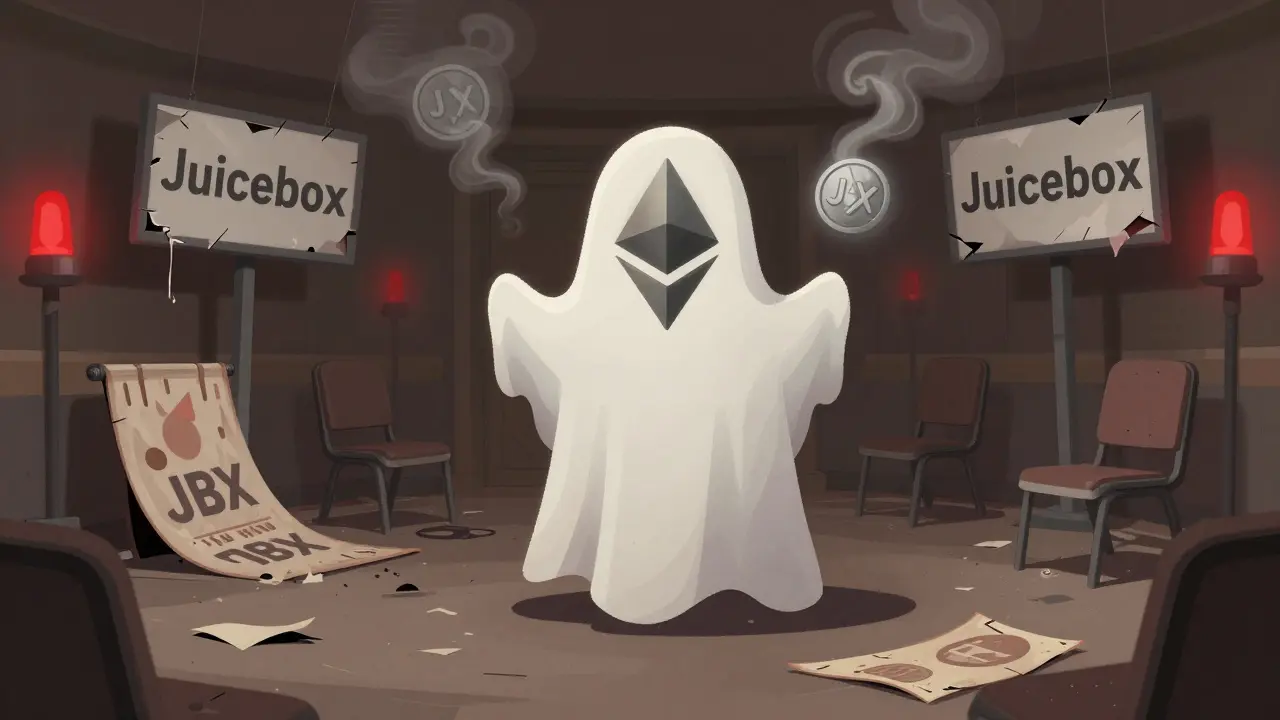

Juicebox (JBX) was meant to be a decentralized funding platform for Web3 projects, but it failed to gain traction. With a 98% price drop, only 348 holders, and zero active projects, it's now a cautionary tale in crypto.