Crypto Exchange: How to Choose, Avoid Scams, and Trade Safely
When you buy or trade cryptocurrency, you’re using a crypto exchange, a platform that lets you buy, sell, or swap digital assets like Bitcoin or Ethereum. Also known as cryptocurrency trading platform, it’s the bridge between your wallet and the market—whether you’re holding for years or trading daily. But not all exchanges are created equal. Some are secure, regulated, and built for real users. Others vanish overnight, steal your funds, or get blocked by your government.
There are two main types: centralized and decentralized. A centralized exchange, like CoinDCX or WazirX, acts like a bank—you deposit crypto, they hold it, and you trade through their system. Also known as CEX, these are easier to use but require trust in the company. A decentralized exchange, like Uniswap or Aerodrome Finance, lets you trade directly from your wallet without handing over control. Also known as DEX, these give you full custody but demand more technical know-how. In India, only FIU-IND registered exchanges are legal. In the UAE, compliance with FATF rules opened doors to global banking. In Turkey, FTX Turkey collapsed because it operated without a license—thousands lost money.
Why does this matter? Because scams thrive where rules are weak. Fake exchanges like Libre Swap have zero trading volume and no audits. Platforms like Arbidex promised automated profits but asked you to give up your crypto—now they’re gone. And if you’re in a country with banking restrictions, you might turn to P2P or no-KYC exchanges, but that increases your risk of fraud or frozen accounts. The best exchanges offer clear fees, strong security, real liquidity, and transparency about their legal status.
You’ll find reviews here of exchanges that actually work—and those that don’t. We cover platforms banned in India, the truth behind dead tokens tied to exchanges, how cross-chain bridges can get hacked, and why some DeFi swaps are safer than others. We also break down real cases: how North Korea steals crypto through exchanges, how UAE’s regulatory shift changed everything, and why some airdrops are just traps. This isn’t theory. It’s what happened, who got burned, and how to stay out of trouble.
Crema Finance Crypto Exchange Review: What You Need to Know About C.R.E.A.M. Finance
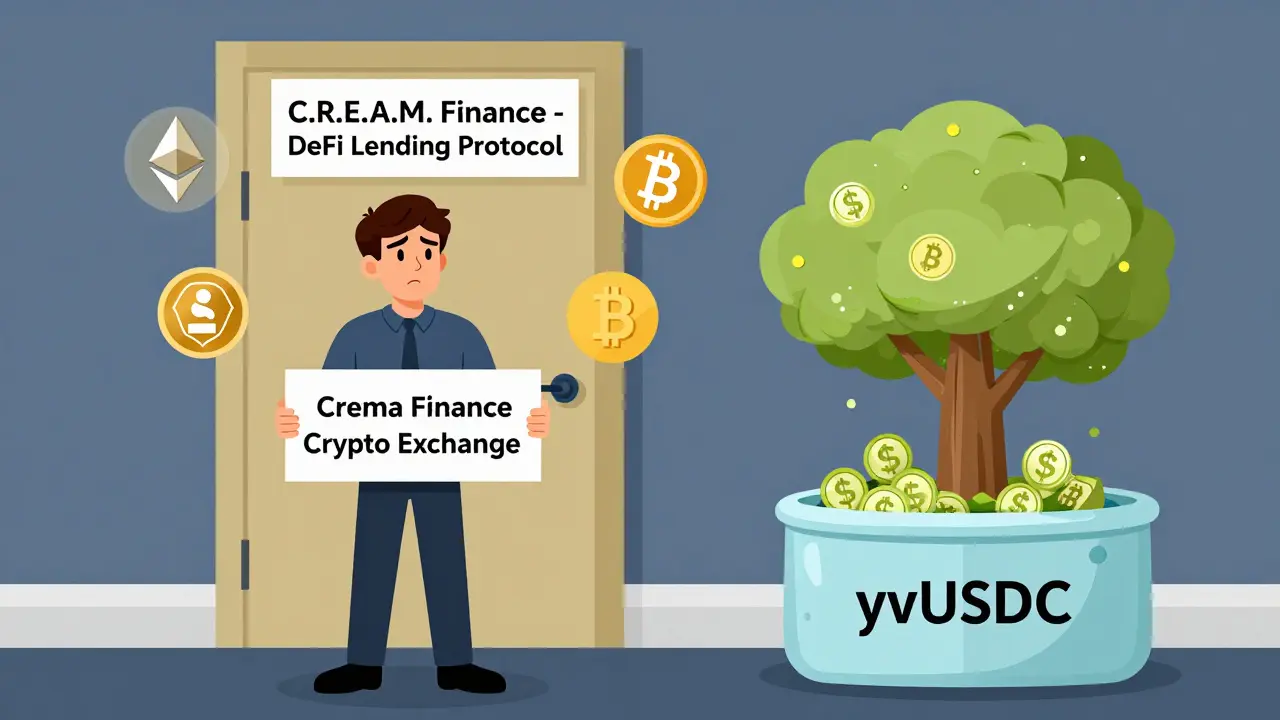

Crema Finance is actually C.R.E.A.M. Finance-a DeFi lending protocol, not a crypto exchange. Learn how it works, its risks, multi-chain support, token performance, and who should use it in 2026.
Amaterasu Finance Crypto Exchange Review: Is It Still Operational?

Amaterasu Finance crypto exchange shows zero trading activity, a trust score of 2, and no updates since 2022. It's not just inactive-it's effectively dead. Avoid it and use proven DEXs like Uniswap or PancakeSwap instead.
SmarDex Crypto Exchange Review: The Rise of the Everything Protocol
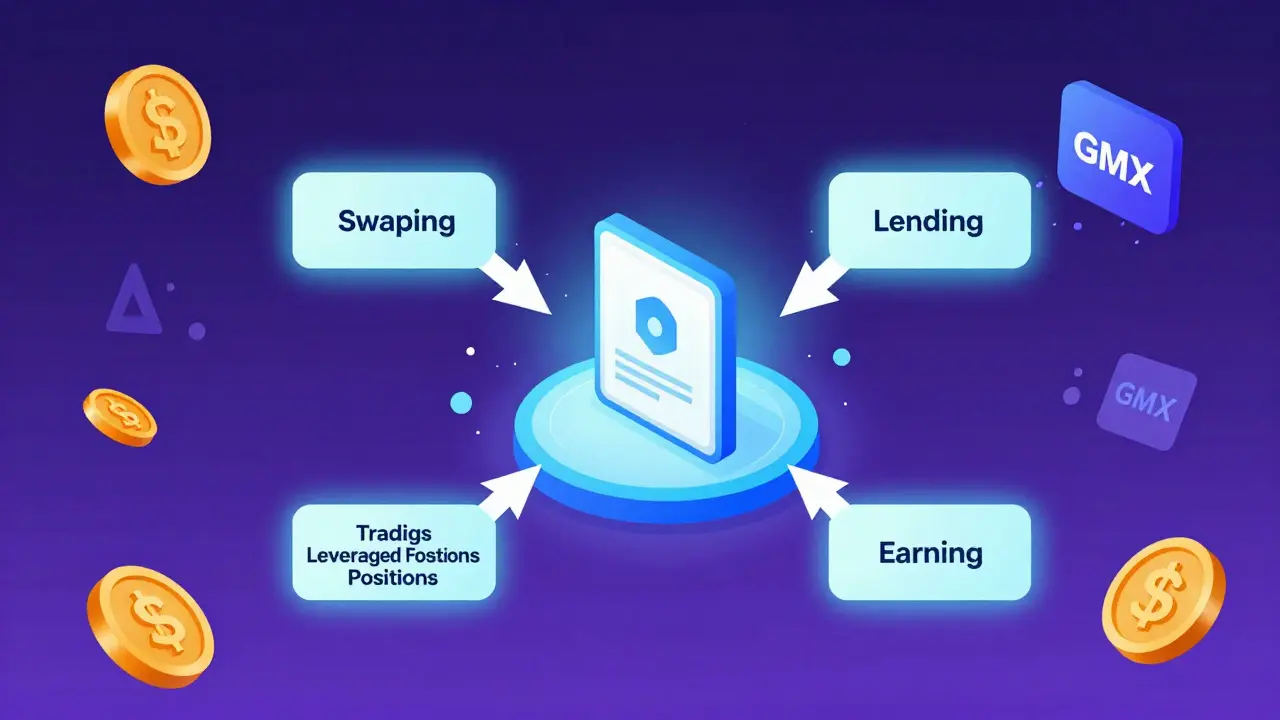
SmarDex is transforming from a simple AMM into the Everything Protocol-a unified DeFi platform combining swaps, lending, and leveraged trading. This review breaks down its tech, risks, and potential to reshape decentralized finance.
BinarySwap Crypto Exchange Review: What You Need to Know Before Trading
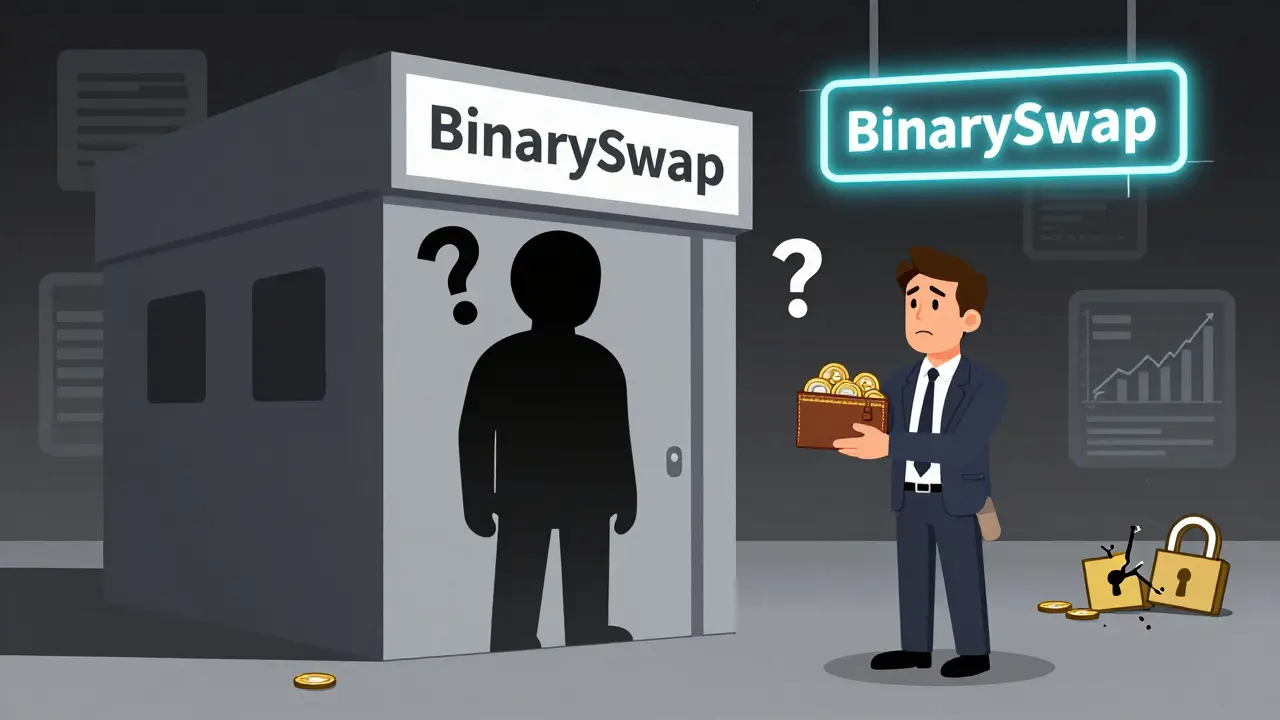
BinarySwap is a crypto exchange with almost no public information. No fees, no volume, no security details, and no user reviews. Avoid it until it becomes transparent.
MochiSwap Crypto Exchange Review: What You Need to Know Before Trading MOCHI

MochiSwap isn't a traditional crypto exchange-it's a speculative DeFi token with no team, no audits, and wild price swings. Learn where to trade MOCHI, why experts disagree on its future, and safer alternatives.
Categories
Popular Articles