vToken: What It Is, How It Works, and Where It's Used in Crypto
When you see vToken, a functional token used in decentralized finance to represent an asset, voting right, or claim on a protocol. Also known as virtual token, it's not a coin you mine or buy for speculation—it's a tool that powers how DeFi protocols manage assets, rewards, and user influence. Unlike Bitcoin or Ethereum, vToken doesn't exist on its own blockchain. It’s created by platforms like Curve, Aave, or Convex to track your participation—whether you’ve staked, voted, or locked liquidity.
vToken is often tied to governance token, a type of crypto asset that gives holders voting power over protocol upgrades and treasury decisions. For example, if you lock up your LP tokens in a DeFi pool, you might get vToken in return that lets you vote on fee changes or new asset listings. This turns passive holders into active participants. It’s also used in tokenomics, the economic design behind how tokens are created, distributed, and valued to control supply and prevent dumping. Some vTokens even track rewards from multiple protocols, letting you earn from several sources without moving your funds.
But here’s the catch: vToken isn’t always what it seems. Many projects use the term loosely, sometimes to mask low-liquidity assets or fake incentives. Real vTokens have clear rules—how they’re minted, burned, and redeemed. They’re backed by real assets or protocol revenue. You’ll find them in platforms that actually work, not just hype-driven tokens with no users. The posts below show you exactly where vToken is used effectively, where it’s been abused, and how to tell the difference before you stake your crypto.
What is Venus BNB (vBNB) Crypto Coin? A Simple Breakdown of How It Works
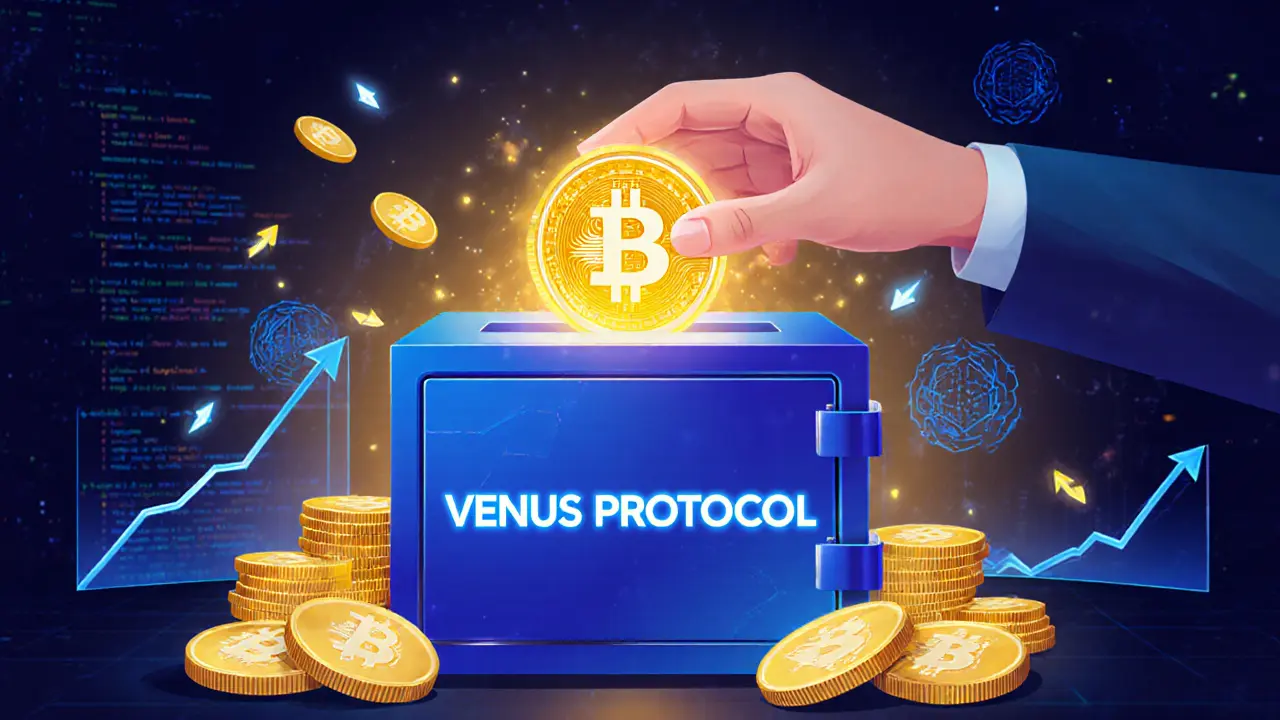

Venus BNB (vBNB) is a token you receive when you deposit BNB into the Venus Protocol on BNB Chain. It earns interest over time and can be used as collateral to borrow other crypto assets. Learn how it works, its risks, and who it’s really for.