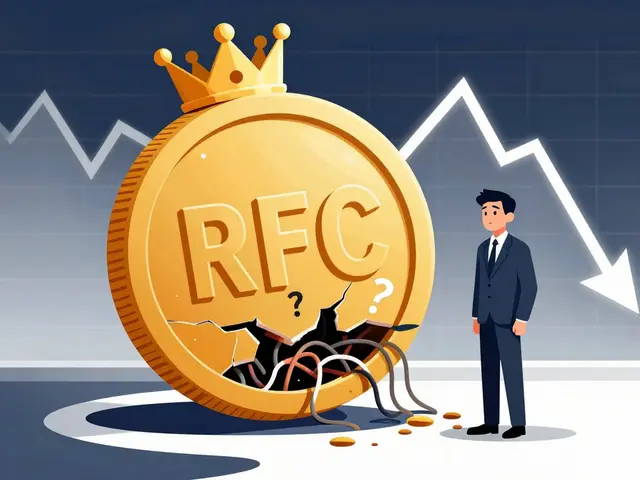

Saudi Crypto Regulation is the evolving legal framework governing digital assets within the Kingdom, balancing strict monetary control with technological innovation under Vision 2030. As we step through 2026, the landscape has shifted dramatically from the outright bans of the late 2010s. You might wonder if you can actually hold Bitcoin here without legal trouble. The short answer is nuanced. The authorities have stopped treating crypto as an illegal activity for individuals, but banks still cannot touch it freely. This creates a unique environment where innovation thrives in silos while public access remains carefully monitored.
The confusion often stems from conflicting headlines. Some reports say crypto is banned, others say it's booming. The reality sits in the middle. If you are an investor, you need to understand that while owning tokens isn't a crime, the financial system surrounding them is tightly controlled by two major bodies. Getting this right is critical because penalties for ignoring compliance can be severe.
The Regulatory Giants: Who Holds the Keys?
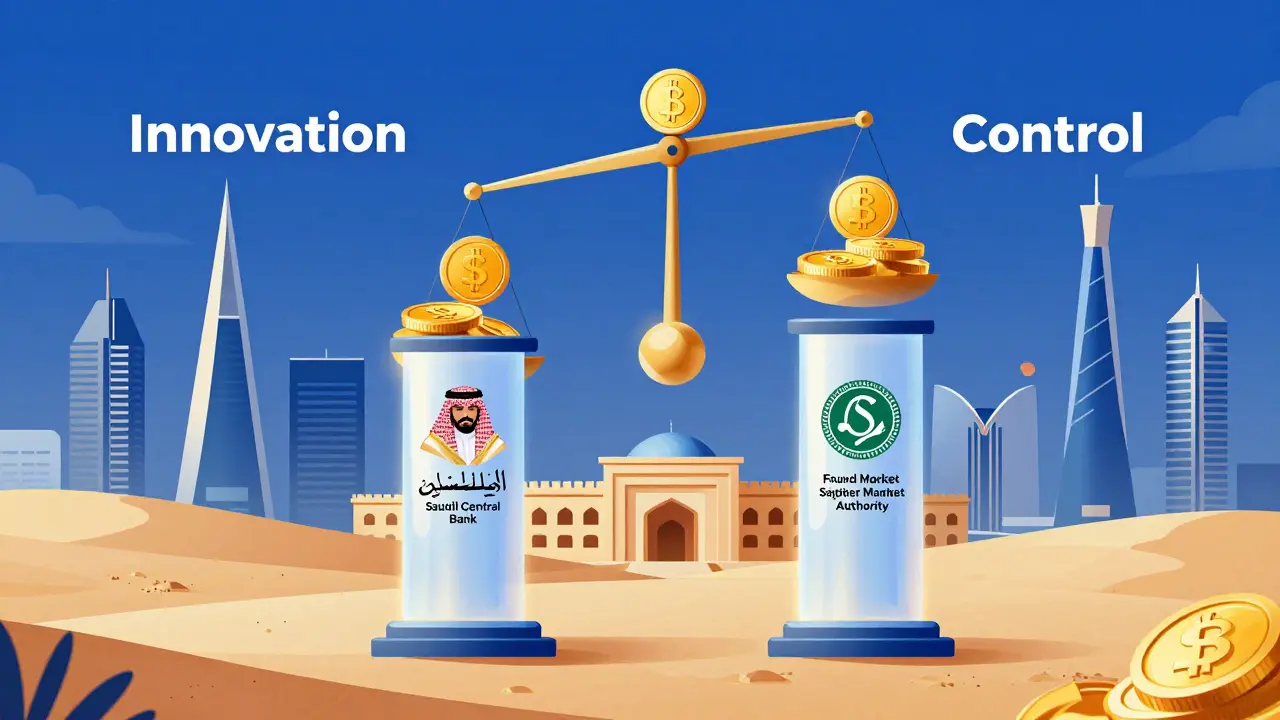
When discussing oversight, you must focus on two specific organizations. First, there is the Saudi Central Bank (SAMA). Previously known as the Saudi Arabian Monetary Authority, SAMA acts as the primary gatekeeper for monetary policy. They decided that cryptocurrencies are assets, not legal tender. This distinction matters immensely. It means the currency isn't replacing the Riyal, but it exists alongside traditional investments.
Second, you have the Capital Market Authority (CMA). While SAMA handles the money flow, the CMA focuses on investor protection and capital markets. Recently, their role expanded significantly. By late 2025, the CMA began issuing specific guidelines for service providers. Before this, companies had to guess which rules applied. Now, there is a formal registration framework taking shape.
These two bodies do not work in isolation. Their coordination ensures that any new law aligns with broader economic goals. For instance, when they approved the regulated NFT platform Nuqtah in late 2024, it wasn't a random decision. It fit into a larger strategy of digitizing cultural assets. You see this pattern repeat across different sectors of the economy.
Navigating the Gray Areas for Individuals
For most people reading this, the burning question involves personal safety. Are you allowed to trade on platforms like Binance or Coinbase? According to data from 2025, approximately 11.4% of Saudis own some form of crypto asset. That translates to roughly 4 million people. The government hasn't sent police to raid homes for holding digital wallets. However, the path to move money remains restricted.
Banks face a hard line on this issue. They cannot process cryptocurrency transactions without explicit approval from SAMA. This approval process takes anywhere from 6 to 9 months. Most local retail banks simply decline crypto-related transfers to stay safe. Consequently, you find yourself relying on international exchanges. These platforms require robust identity verification. The Anti-Money Laundering Law (AML) covers digital systems, even if the original 2017 text didn't explicitly list "Bitcoin." The definitions include intangible assets obtained through electronic systems. Authorities interpret this broadly.
This creates a situation where participation is tolerated but unconnected from the traditional banking grid. You can buy crypto using foreign cards, but linking your primary Saudi bank account directly is risky. Staying compliant means keeping these activities separate until local infrastructure catches up.
Taxation and Fiscal Obligations
Money made on digital assets requires attention to taxation rules. The system treats individuals and businesses completely differently. If you trade personally, you pay zero capital gains tax. This exemption attracts many small-scale investors. There is also no income tax on salary earned abroad unless remitted, but domestic crypto gains remain untaxed for private citizens.
Businesses, however, face a much steeper climb. Companies dealing with crypto must account for several costs:
- Corporate Income Tax: Standard rate applies to profits.
- Capital Gains Tax: Fixed at 15% for commercial entities.
- Zakat: Islamic wealth tax levied at 2.5% on net assets.
Ignoring these distinctions puts a company at risk of audits. The Ministry of Finance tracks digital assets through general financial reporting requirements. You cannot hide significant holdings if your corporate accounts show large transfers to offshore exchanges.
| Entity Type | Capital Gains Tax | Income Tax | Zakat Obligation |
|---|---|---|---|
| Individual Investors | 0% | None | Exempt |
| Commercial Businesses | 15% | 20% | 2.5% |
Mining Operations and Sustainable Growth
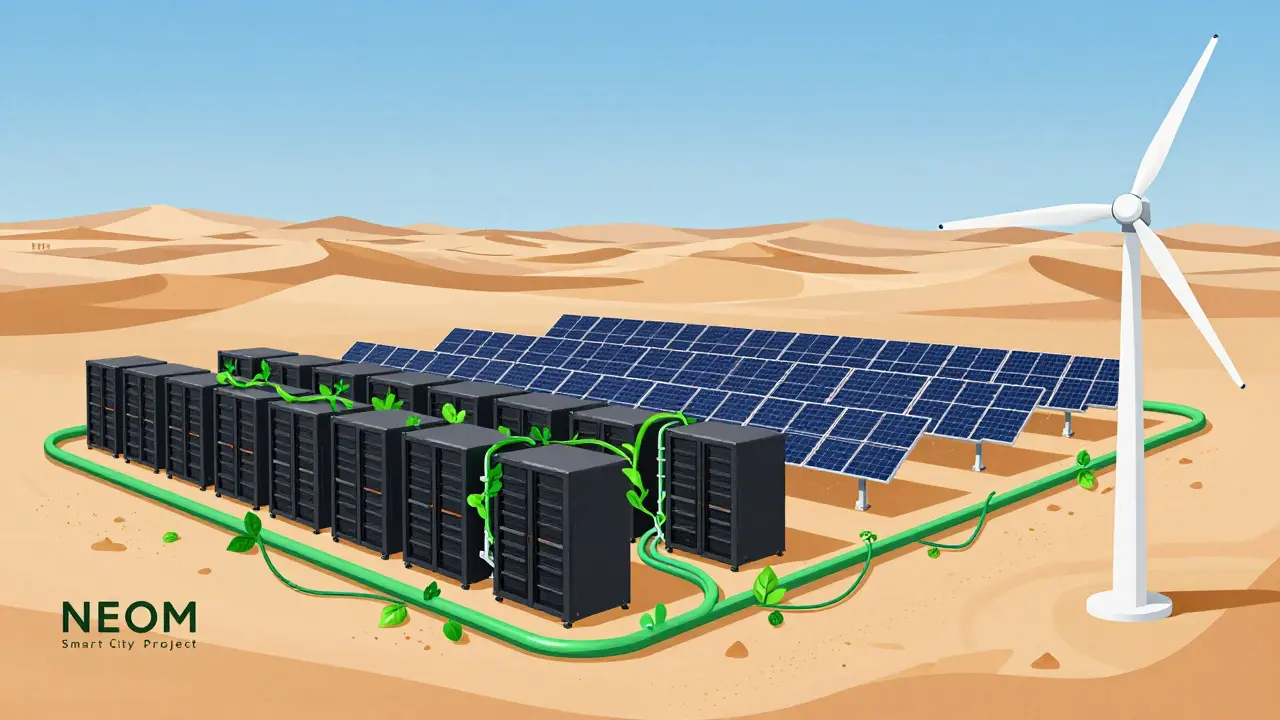
While trading is one side, mining represents another critical sector. Saudi Arabia now accounts for about 4% of global cryptocurrency mining. This jump from less than 1% in 2020 is massive. The shift happened due to regulatory clarity allowing licensed operations specifically designed around sustainability.
One of the biggest draws is energy. The NEOM smart city project utilizes renewable power sources extensively. Regulations introduced recently forced miners to reduce carbon footprints by 35%. This aligns with the national push for green technology. Companies operating in NEOM get preferential treatment regarding power access and licensing. It proves the government supports blockchain utility when it contributes to environmental goals.

Looking Ahead: Central Bank Digital Currency
Despite the restrictions on decentralized coins, the nation is building its own version of digital money. This is the Central Bank Digital Currency, or CBDC. SAMA has been testing integration capabilities since 2023. By late 2025, pilot phases launched for domestic implementation. Unlike Bitcoin, the CBDC maintains full sovereignty. It is essentially a digital Riyal stored on a ledger.
You should watch the mBridge Project closely. Launched with partners like the UAE, China, Thailand, and Hong Kong, this initiative allows cross-border payments using multiple CBDCs. Saudi Arabia participates actively here. It signals a shift toward international cooperation rather than isolation. If you deal in B2B finance, understanding this network is vital for the future of settlement.
Religious compliance also plays a huge role. A high-ranking leader issued a fatwa confirming Bitcoin operations can align with Sharia principles. This religious endorsement removes a major barrier for conservative investors who previously avoided the space entirely. It validates the asset class within the local cultural context.
Practical Compliance Checklist
If you plan to operate or invest heavily, follow these steps to stay safe:
- Use only regulated international exchanges that comply with AML standards.
- Keep personal and business finances strictly separated.
- Consult legal experts regarding Zakat obligations before launching commercial ventures.
- Avoid using local bank cards for direct crypto purchases unless approved.
- Monitor updates from the Capital Market Authority website regularly.
Following these rules reduces friction with authorities significantly. The system is maturing, not disappearing. Expect more clarity throughout 2026 as the 2025 legislative promises finalize their rollout.
Is cryptocurrency legal in Saudi Arabia in 2026?
Ownership is not explicitly banned, and individuals legally trade on regulated platforms. However, it is not recognized as legal tender, and banks generally cannot process direct crypto transactions without SAMA approval.
Do I need to pay tax on my crypto gains?
Individual investors pay 0% capital gains tax. Businesses involved in crypto operations face a 15% capital gains tax, 20% corporate income tax, and 2.5% zakat.
Who regulates the crypto market?
Regulation is shared between the Saudi Central Bank (SAMA) for monetary aspects and the Capital Market Authority (CMA) for investor protection and licensing.
Can I mine cryptocurrency in Saudi Arabia?
Yes, mining has gained legal recognition under specific frameworks, especially within zones like NEOM that utilize renewable energy to meet sustainability targets.
What is the Saudi CBDC project called?
The project is often associated with Project Aber, a joint initiative with the UAE, though domestic pilots launched in late 2025 aim for widespread adoption by 2026.

Comments (8)

- Matthew Wright
- April 2, 2026 AT 10:29 AM
The distinction made by SAMA regarding asset classification! It clarifies so many things about the market structure! Banking restrictions remain strict for now! This ensures stability within the Riyal system! Investors need to respect these boundaries!

- Arwyn Keast
- April 3, 2026 AT 22:13 PM
Foreign dependency on digital currencies undermines national sovereignty completely.

- Emma Pease-Byron
- April 5, 2026 AT 00:20 AM
Your nationalistic stance overlooks the economic benefits of cross border trade. Isolation rarely yields positive growth outcomes in the modern era.

- Hugo Lopez
- April 5, 2026 AT 23:58 PM
Exciting to see the NEOM project using renewable power! 🌍⚡ Green mining sounds like the future! Hope to see more transparency soon! 🙏✨

- Carmelita Gonzales
- April 7, 2026 AT 14:24 PM
agree with you completely its important to support sustainability efforts globally

- Erica Mahmood
- April 7, 2026 AT 17:49 PM
Institutional compliance requires strict adherence to AML protocols and KYC verification processes

- Sharhonda Walker
- April 8, 2026 AT 02:06 AM
yeah u r right bout the compliance but its hard for small folks to track thier obligations

- Lauren Gilbert
- April 9, 2026 AT 12:30 PM
Society has always been fascinated by the concept of unregulated money. We often assume freedom is the only path to prosperity. Yet history shows us that chaos follows without oversight. The Saudi approach balances these two competing desires effectively. One must consider the cultural context behind every law. Trust in institutions dictates how much risk individuals are willing to accept. When the government guarantees safety through licenses, participation increases naturally. Innovation does not require total anarchy to flourish within the economy. Green energy integration highlights a forward-thinking mindset for the region. These choices signal a shift away from isolationism significantly. International cooperation projects like mBridge suggest a global strategy. Investors benefit when clarity replaces the gray areas of the past. Tax structures distinguish between hobbyists and commercial operators clearly. Separation of religious doctrine and state remains relevant compared to Sharia alignment here. Ultimately the framework evolves to protect the local financial ecosystem best. That seems like the most sustainable way to move forward.
Post-Comment
Categories
Popular Articles